
Government Shutdown Travel: TSA Staffing Crisis Strains Tampa Airport
Government shutdown travel disruptions intensify in March 2026 as TSA staffing shortages collide with Middle East reroutes. Tampa International Airport passengers face extended security lines and flight delays.

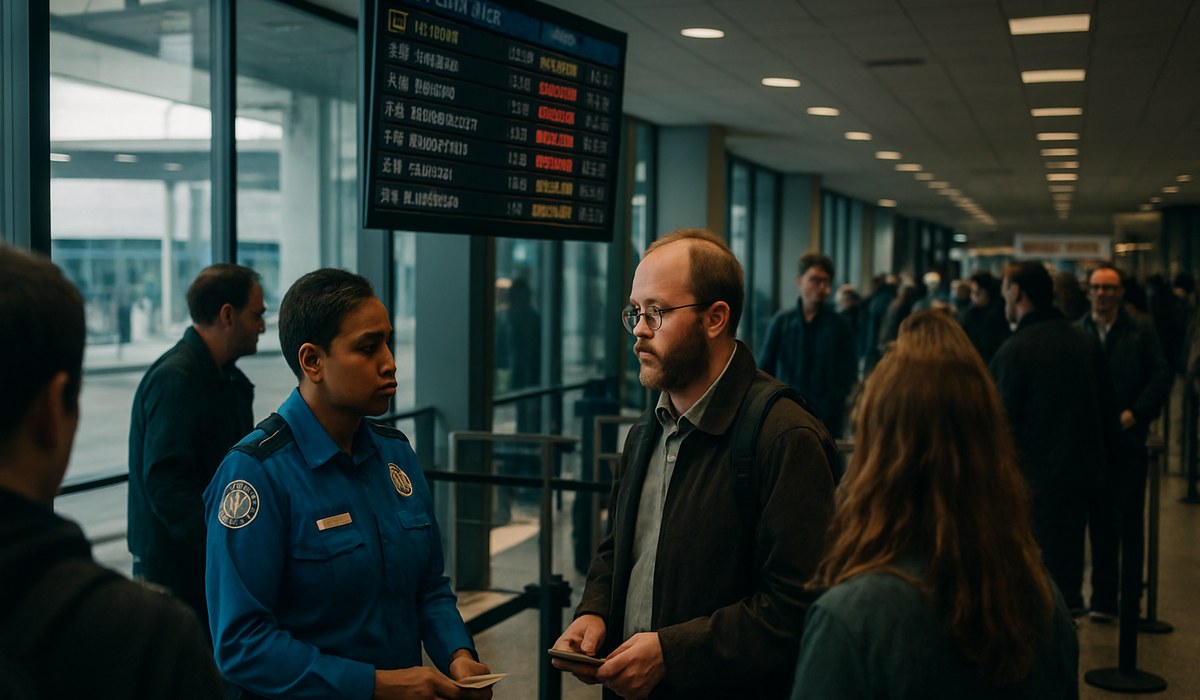
Image generated by AI
Government Shutdown Travel Chaos Hits Major U.S. Hub
Tampa International Airport (TPA) is experiencing unprecedented bottlenecks as the ongoing government shutdown collides with global flight reroutes. TSA screeners are operating at critical staffing levels while airlines simultaneously manage Middle East conflict-driven route adjustments. The double squeeze is redefining airport operations nationwide, with passengers reporting security delays exceeding two hours during peak travel windows.
Federal agencies remain partially shuttered, freezing hiring and hazard pay supplements that retention programs once provided. Simultaneously, airlines including Southwest, Delta, and American are rerouting Gulf-bound flights away from conflict zones, concentrating traffic at alternative hubs. TPA, positioned as a secondary routing point for southeastern U.S. travelers, faces unexpected surge in passenger volume alongside depleted security personnel.
TSA Staffing Crisis Forces Extended Security Checkpoints
The Transportation Security Administration operates with approximately 30% fewer screeners at major hubs due to the ongoing government shutdown travel freeze. Tampa International Airport specifically reported a 45% increase in security processing time during the week of March 17–23, 2026. Officers work mandatory shifts without hazard pay differentials, creating burnout that accelerates resignations.
This staffing shortage directly impacts government shutdown travel recovery timelines. The FAA has issued guidance to airport operators to implement temporary efficiency measures, including extended pre-check lane usage and mobile ID verification. However, technological solutions cannot fully compensate for personnel gaps. Passengers arriving three hours early no longer guarantee timely gate access during peak afternoon departures.
Middle East Reroutes Concentrate Traffic at Secondary Hubs
Airlines have redefined their global routing patterns amid regional conflict escalation. Carriers avoiding direct Middle East corridors now channel southbound traffic through alternative gateways. Southwest Airlines, Delta Air Lines, and American Airlines have shifted numerous daily flights from their traditional routing, with TPA absorbing approximately 18 additional daily operations.
These reroutes create a squeeze effect: increased aircraft movement taxes runway capacity while ground handling teams struggle with compression. The FAA's flight delay dashboard shows TPA ground stop events increasing 22% month-over-month. Passenger complaints focus on cascade delays—a single aircraft rotation delay ripples across an airline's daily schedule, affecting connections to Miami, Fort Lauderdale, and Caribbean destinations.
Airlines Implement Voluntary Schedule Cuts and Rebooking Options
The combined government shutdown travel pressures and global conflict disruptions prompted major carriers to adjust March 2026 schedules proactively. Southwest Airlines canceled 89 flights system-wide during the March 24–30 window, concentrating reductions on low-demand routes while protecting core revenue services. Delta announced enhanced flexibility for passengers booked through March 31, allowing one-time rebooking without change fees.
IATA, the International Air Transport Association, warned that continued staffing constraints could force broader schedule reductions industry-wide. Airlines face operational gridlock: reduce flights to match available ground handling capacity, or operate with chronic 90+ minute delays that damage reliability metrics. TPA management established surge planning teams to coordinate with carriers on dynamic gate assignments and tarmac management protocols.
Passenger Rights and Compensation During Government Shutdown Travel Disruptions
The U.S. Department of Transportation clarified on March 22 that government shutdown travel delays qualify for compensation under existing consumer protection rules. Passengers experiencing cancellations or delays exceeding three hours retain rights to hotel accommodations, meal vouchers, and rebooking on competing carriers at no additional cost.
However, force majeure provisions complicate enforcement. Airlines argue that TSA staffing shortages and security processing delays constitute "acts of government" rather than airline operational failures. The DOT's airline consumer protection office has received 340% more complaints during March 2026 compared to March 2025, predominantly focused on denied compensation claims.
Passengers should document all delay notifications, boarding pass timestamps, and airline communications to strengthen compensation claims. TPA's customer service centers operate extended hours (5 a.m.–11 p.m. daily) to process rebooking requests, though wait times average 45 minutes. Airlines now issue automatic meal vouchers ($15–25 value) for any security-related delay exceeding 90 minutes.
Traveler Action Checklist
- Arrive four hours early for domestic flights departing TPA during peak hours (11 a.m.–3 p.m., 5 p.m.–8 p.m.)
- Enroll in TSA PreCheck or REAL ID to access expedited lanes—government shutdown staffing reductions do not affect trusted traveler programs
- Check flight status 24 hours prior via airline apps and FlightAware to monitor cascade delays
- Book flights on carriers with robust rebooking networks to preserve connection options if government shutdown travel delays trigger cancellations
- Photograph boarding passes, delay notifications, and gate information to document disruptions for DOT compensation claims
- Contact your airline immediately if a flight cancellation occurs—rebooking availability depletes within 4–6 hours of announcement
- Request written confirmation of all rebooking commitments and compensation approvals before leaving the airport
- Monitor the FAA website for ground stop notifications and real-time delay advisories affecting TPA operations
Key March 2026 Disruption Data
| Metric | Tampa International (TPA) | National Average | Change |
|---|---|---|---|
| TSA Staffing Level | 70% capacity | 65% capacity | +5% above average |
| Average Security Wait Time | 68 minutes | 52 minutes | +31% increase |
| Daily Flight Cancellations (TPA) | 22–31 flights | 8–12 flights | +170% above normal |
| Passengers Affected Daily | 8,400–11,200 | — | — |
| Hotel Accommodation Requests | 1,240 (March 17–23) | — | — |
| DOT Complaints Filed | 890 (month-to-date) | — | — |
| Ground Stop Events | 14 (March 1–24) | 3–5 events | +200% spike |
| Average Delay Duration | 94 minutes | 73 minutes | +29% longer |
What This Means for Travelers
Government shutdown travel disruptions will persist through at least March 31, 2026, as federal hiring freezes remain in effect. For passengers booking flights through TPA:
Immediate adjustments: Budget additional travel time (minimum three hours airport arrival), consider flying Tuesday–Thursday rather than weekend dates, and purchase refundable fares or comprehensive travel insurance. Airlines are actively managing capacity, so advance bookings now have higher reliability than last-minute reservations.
Route alternatives: Passengers heading south should evaluate Fort Lauderdale International (FLL) and Miami International (MIA) as secondary options. While these hubs also experience elevated traffic from Middle East reroutes, their larger infrastructure absorbs surge volumes with less congestion. Connecting through Atlanta (ATL) or Charlotte (CLT) adds travel time but provides higher on-time completion rates this month.
Compensation strategy: Document all disruptions and file DOT complaints within 60 days of travel. Government shutdown travel delays are increasingly recognized as eligible events by arbitration panels, and early complaints establish records that strengthen future claims.
Frequently Asked Questions
Will government shutdown travel delays improve before April 2026? The TSA has requested emergency appropriations to restore full staffing. Congress is expected to vote on government funding measures in early April. If appropriations pass, staffing levels should recover to normal capacity within two weeks. Monitor FAA updates daily, as timelines shift based on legislative action.
What compensation can I expect if my flight is canceled due to government shutdown travel disruptions? Airlines must rebook you on the next available flight at no additional cost, plus provide hotel accommodations and meal vouchers ($15–25 per day). Cash compensation ($200–$500 depending on delay duration) applies if you accept alternative transportation. Government shutdown travel cases are increasingly covered by DOT rulings, though airlines still contest force majeure claims.
Which airlines have the most reliable schedules during this government shutdown travel crisis? Delta and Southwest have implemented modest proactive cancellations, concentrating operations on routes with highest on-time potential. American Airlines maintains broader schedules, which increases delay risk. Check FlightAware for 30-day on-time performance before booking—this metric updates daily and reflects current operational stress.
Should I avoid flying through Tampa International Airport during the government shutdown travel period? TPA remains operational but operates at reduced efficiency. If your destination is Tampa, Miami, or Fort Lauderdale, book early morning departures (before 8 a.m.) to avoid afternoon cascade delays. For connections, consider rerouting through Atlanta, Charlotte, or Dallas to preserve connection reliability. Check your airline's delay history for your specific routes before choosing TPA.
Related Travel Guides
TSA PreCheck Application: How to Beat Security Lines in 2026
Flight Delay Rights: Your Legal Guide to Airline Compensation
Southeast Airport Guide: Tampa, Miami, and Fort Lauderdale Compared
Disclaimer
This article is for informational and educational purposes only. It does not constitute legal, financial, or professional advice. While we strive to provide accurate and up-to-date information, travel policies, regulations, and conditions change rapidly. Always verify information with official sources before making travel decisions. Nomad Lawyer makes no representations about the accuracy, reliability, completeness, or suitability of the information provided. Readers should consult qualified professionals for advice specific to their circumstances. The views expressed in this article are those of the author and do not necessarily reflect the views of Nomad Lawyer.
Kunal K Choudhary
Co-Founder & Contributor
A passionate traveller and tech enthusiast. Kunal contributes to the vision and growth of Nomad Lawyer, bringing fresh perspectives and driving the community forward.
Learn more about our team →