
Google Spirit Airlines Deal Sparks AI Aviation Privacy Battle
Google's proposed $10 million purchase of Spirit Airlines' digital assets triggers a major legal battle over artificial intelligence training and employee privacy.

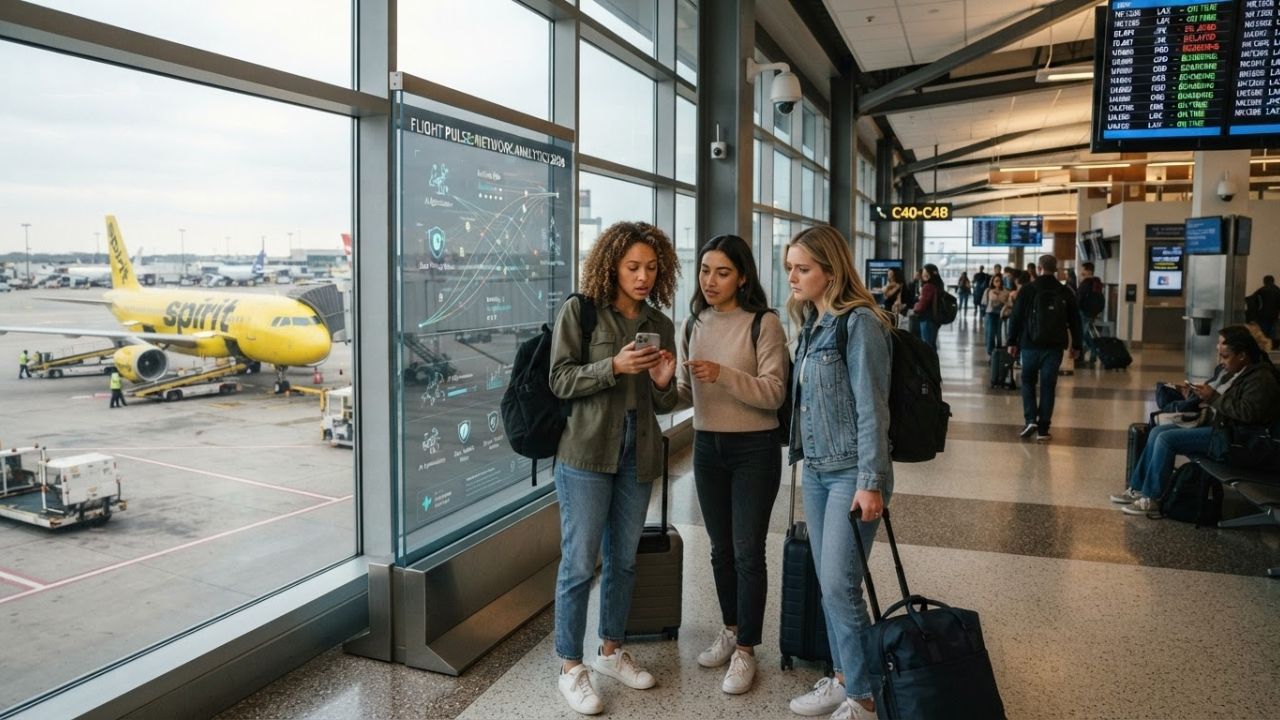
Image generated by AI
Google’s proposed $10 million acquisition of Spirit Airlines’ digital assets has ignited a major legal battle over workforce privacy, artificial intelligence training, and aviation data ownership. The transaction, arising from bankruptcy proceedings, highlights how airline operational databases have become highly valued commercial resources for technology companies.
The Local Trend Revealed
Technology corporations are seeking specialized commercial aviation datasets to train predictive artificial intelligence systems, transforming airline bankruptcy proceedings into digital asset sales. Monitored by the U.S. Department of Transportation (DOT) and the Federal Trade Commission (FTC), this proposed acquisition outlines the shifting value of airline assets:
- Deal Valuation: The proposed digital asset sale is valued at approximately $10 million, focusing on software systems and commercial data rather than aircraft or physical terminals.
- Included Datasets: Google seeks to purchase Spirit Airlines’ operational records, including revenue management systems, travel package records, in-flight purchases, and Wi-Fi sales logs.
- Passenger Data Exclusion: Customer-identifying information, including passenger loyalty program data and individual profiles, is reportedly excluded from the transaction. Google has stated that any transferred records would undergo processes to remove personal identifiers.
- Workforce Legal Challenge: The Association of Flight Attendants (AFA-CWA) has filed formal objections to protect employee records—such as payroll details, training logs, and communication files—potentially stored in the airline's internal databases.
Local Community & Environmental Value
For the traveler, the real impact of supporting airline operations is ensuring that digital consolidation does not harm local communities. Buying goods from independent regional merchants and choosing local dining options near major airline hubs like Fort Lauderdale keeps travel spending within neighborhood economies rather than global concession conglomerates.
Environmental benefits are supported by using advanced operational data to optimize flight paths. AI systems trained on route data help minimize fuel burn and reduce contrails, lowering the carbon footprint of commercial flights. Supporting green data centers that power these AI engines aligns with sustainable travel guidelines monitored by the Federal Aviation Administration (FAA).
Visitor Insider Tips for Aviation Privacy and Hub Travel
Travel and tech specialists recommend the following practices for securing data and navigating airport transits:
- Use a VPN on In-Flight Wi-Fi: Secure your personal information. Always connect to a Virtual Private Network (VPN) before purchasing in-flight Wi-Fi or entering payment details to prevent your commercial traffic from being stored in databases.
- Opt-Out of Booking Cookies: When booking flights on budget carriers, select "Opt-Out" on marketing tracking cookies during the booking flow and use a secondary email address to protect your digital footprint.
- Observe the Off-Peak Window: Secure the lowest fares by booking during post-holiday shoulder periods, specifically late January to early February and September to October, when business and leisure travel demands are lowest.
- Sample Regional Culinary Specialties: If transiting through Fort Lauderdale-Hollywood International Airport (FLL), try local Conch Fritters or sample fresh Key Lime Pie at waterfront diners.
- Explore Under-the-Radar Escapes: If delayed at FLL, take a 10-minute taxi ride to the Anne Kolb Nature Center in Hollywood to walk through mangrove forests and climb the observation tower rather than waiting in the terminal.
- Observe Flight Crew Etiquette: Respect the cabin crew. Flight attendants are primary safety officers, not food servers. Place carry-on bags in overhead bins without blocking the aisle. Tipping of 15 to 20 percent is standard in the US for shuttle drivers, taxis, and airport restaurants.
Tourism Outlook
The long-term impact of integrating AI in aviation is the optimization of global travel infrastructure. By utilizing predictive systems to manage scheduling, pricing, and airport congestion, technology providers aim to create more resilient travel networks, though establishing clear privacy regulations for workforce and passenger data remains a requirement for public trust.
FAQ: Google-Spirit Airlines Data Acquisition
What digital assets is Google seeking to purchase from Spirit Airlines? Google is seeking to acquire commercial and operational data assets—including revenue systems, travel package records, in-flight purchases, and Wi-Fi sales logs—in a deal valued at approximately $10 million.
Is passenger personal data included in the data sale? No. Customer-identifying information and passenger loyalty program data are reportedly excluded from the proposed transaction.
Why is the Association of Flight Attendants opposing the transaction? The union is challenging the transfer due to concerns that employee records—such as payroll details, training history, and internal communications—could be transferred without adequate privacy protections.
How does airline data help develop artificial intelligence systems? Specialized aviation data provides insights into scheduling, pricing strategies, and passenger trends, helping tech companies train AI models to optimize flight paths and airport operations.
Related Travel Guides
Disclaimer
This article is for informational and educational purposes only. It does not constitute legal, financial, or professional advice. While we strive to provide accurate and up-to-date information, travel policies, regulations, and conditions change rapidly. Always verify information with official sources before making travel decisions. Nomad Lawyer makes no representations about the accuracy, reliability, completeness, or suitability of the information provided. Readers should consult qualified professionals for advice specific to their circumstances. The views expressed in this article are those of the author and do not necessarily reflect the views of Nomad Lawyer.
Raushan Kumar
Founder & Lead Developer
Full-stack developer with 11+ years of experience and a passionate traveller. Raushan built Nomad Lawyer from the ground up with a vision to create the best travel and law experience on the web.
Learn more about our team →