
Global Restricted Zones 2026: Navigating Access Laws for the World's Most Isolated Sites
From Iceland's volcanic Surtsey to India's North Sentinel Island, explore the legal frameworks and transit restrictions governing the world's most protected and forbidden territories.

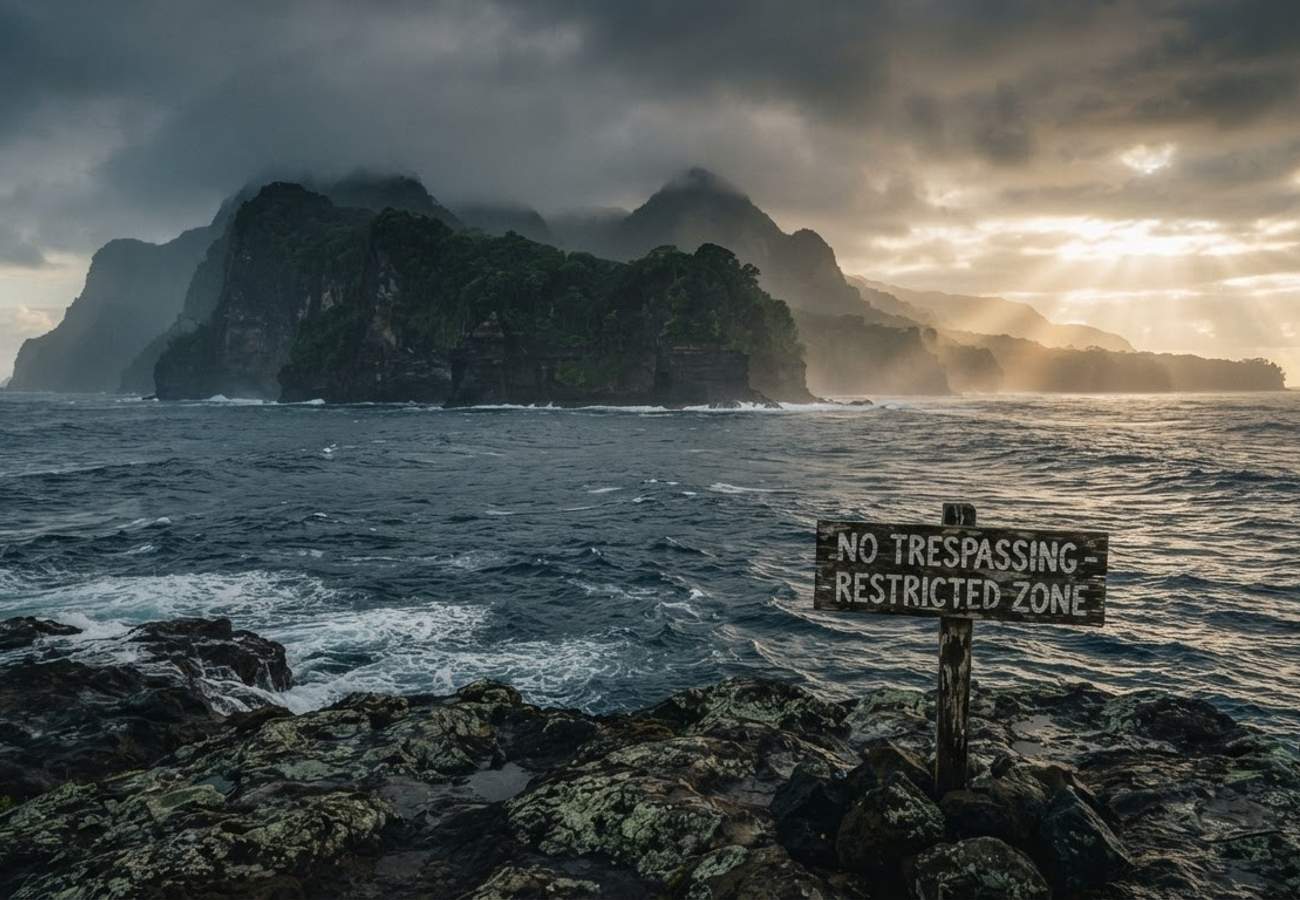
Image generated by AI
Strict legal frameworks and environmental mandates now govern the world's most mysterious territories, ensuring that fragile ecosystems and isolated cultures remain untouched by mass tourism.
Global Transit Restrictions and Protected Territories
The intersection of environmental science and national law has created a map of "forbidden" zones. These areas are not merely remote; they are legally shielded to prevent ecological collapse, protect endangered species, or respect the sovereignty of uncontacted peoples. From the North Atlantic to the Southern Ocean, these sites represent the peak of transit restriction.
Volcanic and Ecological Sanctuaries
In Iceland, Surtsey Island serves as a primary example of a controlled biological experiment. Formed by underwater eruptions between 1963 and 1967, the island is a UNESCO World Heritage site. To prevent the introduction of invasive seeds, bacteria, or insects, the Icelandic government prohibits all public access. Only vetted scientific researchers with specific permits may land.
Similarly, Australia's Heard Island and the McDonald Islands in the Southern Ocean remain largely untouched. Dominated by the 2,745-metre Mawson Peak active volcano, this territory is managed under strict scientific permit systems to protect its glacier-covered landscapes and seabird habitats from invasive species.
Wildlife and Indigenous Sovereignty Zones
Brazil’s Ilha da Queimada Grande, known as Snake Island, is restricted due to the extreme density of the golden lance head viper. Located 33 kilometers off the southeastern coast, the island is closed to the public by Brazilian authorities to prevent fatal encounters and protect this critically endangered species.
In the Bay of Bengal, India enforces a strict exclusion zone around North Sentinel Island. This policy is designed to protect the Sentinelese people from external diseases for which they have no immunity and to honor their documented rejection of outside contact. Unauthorized entry into this zone is a violation of Indian national law.
Archaeological and Historical Preservation
France has shifted its transit strategy for the Lascaux Caves to prioritize conservation over tourism. Due to the damage caused by carbon dioxide, humidity, and microorganisms from daily visitors, the original caves were closed in 1963. The current transit model utilizes high-fidelity replicas to maintain the visitor experience without compromising the 17,000-year-old prehistoric art.
In Italy, Poveglia Island in the Venetian Lagoon remains closed since 1968. While its history as a plague quarantine station and psychiatric facility attracts interest, the Italian government restricts access primarily due to the structural instability of its ruins.
Restricted Site Specifications and Access Parameters
| Location | Primary Restriction Driver | Governing Authority | Access Level | Key Feature |
|---|---|---|---|---|
| Surtsey Island | Ecological Evolution | UNESCO / Iceland Govt | Research Only | New Volcanic Land |
| Snake Island | Public Safety/Endangered Species | Brazilian Govt | Authorized Pros Only | Golden Lance Head Viper |
| Lascaux Caves | Art Conservation | French Ministry of Culture | Replicas Only | 17,000-year-old Art |
| North Sentinel | Indigenous Rights/Health | Indian Government | Strictly Prohibited | Uncontacted Tribe |
| Heard Island | Wilderness Preservation | Australian Govt | Scientific Permit | 2,745m Mawson Peak |
| Poveglia Island | Structural Safety | Italian Authorities | Restricted | Abandoned Quarantine Site |
Traveler Logistics Guide: Navigating Restricted Zones
From a ground-level perspective, attempting to visit these locations without authorization can lead to severe legal penalties, including deportation or imprisonment. For those interested in "edge-of-the-map" travel, the following logistics apply:
1. Permitting and Documentation For sites like Heard Island or Surtsey, applications must be submitted months in advance through national science ministries. You will need to provide a detailed research proposal and proof of environmental decontamination protocols.
2. The "Replica" Strategy When original sites are closed (e.g., Lascaux), look for "Facsimile" sites. These are often located within a few kilometers of the original and offer the same visual experience with streamlined transit and ticketing.
3. Buffer Zone Awareness In regions like the Bay of Bengal, be aware of maritime exclusion zones. GPS alerts and naval patrols monitor the perimeter of North Sentinel Island; crossing these boundaries can result in immediate interception by coast guards.
4. Digital Transit Policies For European restricted sites, ensure your ETIAS (European Travel Information and Authorisation System) is up to date. While ETIAS doesn't grant access to forbidden islands, it is the baseline requirement for entering the Schengen Area to visit the surrounding regions of Poveglia or Lascaux.
Infrastructure and Connectivity Impact
The decision to restrict these sites has a paradoxical effect on regional tourism. While the "forbidden" nature of these places limits direct foot traffic, it increases the economic value of "gateway" hubs. For example, the town of Montignac in France has seen sustained growth by hosting the Lascaux replicas, proving that conservation-led restrictions can actually stabilize local tourism infrastructure by preventing the "boom-and-bust" cycle of over-tourism.
Furthermore, the use of remote sensing and drone technology has replaced physical transit for many researchers. This shift reduces the carbon footprint associated with reaching remote territories like Heard Island while maintaining the flow of scientific data.
The preservation of these sites ensures that the world's rarest secrets survive for the next century.
Related Travel Guides
Disclaimer
This article is for informational and educational purposes only. It does not constitute legal, financial, or professional advice. While we strive to provide accurate and up-to-date information, travel policies, regulations, and conditions change rapidly. Always verify information with official sources before making travel decisions. Nomad Lawyer makes no representations about the accuracy, reliability, completeness, or suitability of the information provided. Readers should consult qualified professionals for advice specific to their circumstances. The views expressed in this article are those of the author and do not necessarily reflect the views of Nomad Lawyer.
Raushan Kumar
Founder & Lead Developer
Full-stack developer with 11+ years of experience and a passionate traveller. Raushan built Nomad Lawyer from the ground up with a vision to create the best travel and law experience on the web.
Learn more about our team →