
Australia Canada and New Zealand Face Airfare Crisis as FIFA World Cup 2026 Flights Sell Out
Travellers from Australia, Canada, and New Zealand are facing unprecedented airfare surges and inventory shortages as the FIFA World Cup 2026 enters its final stages.

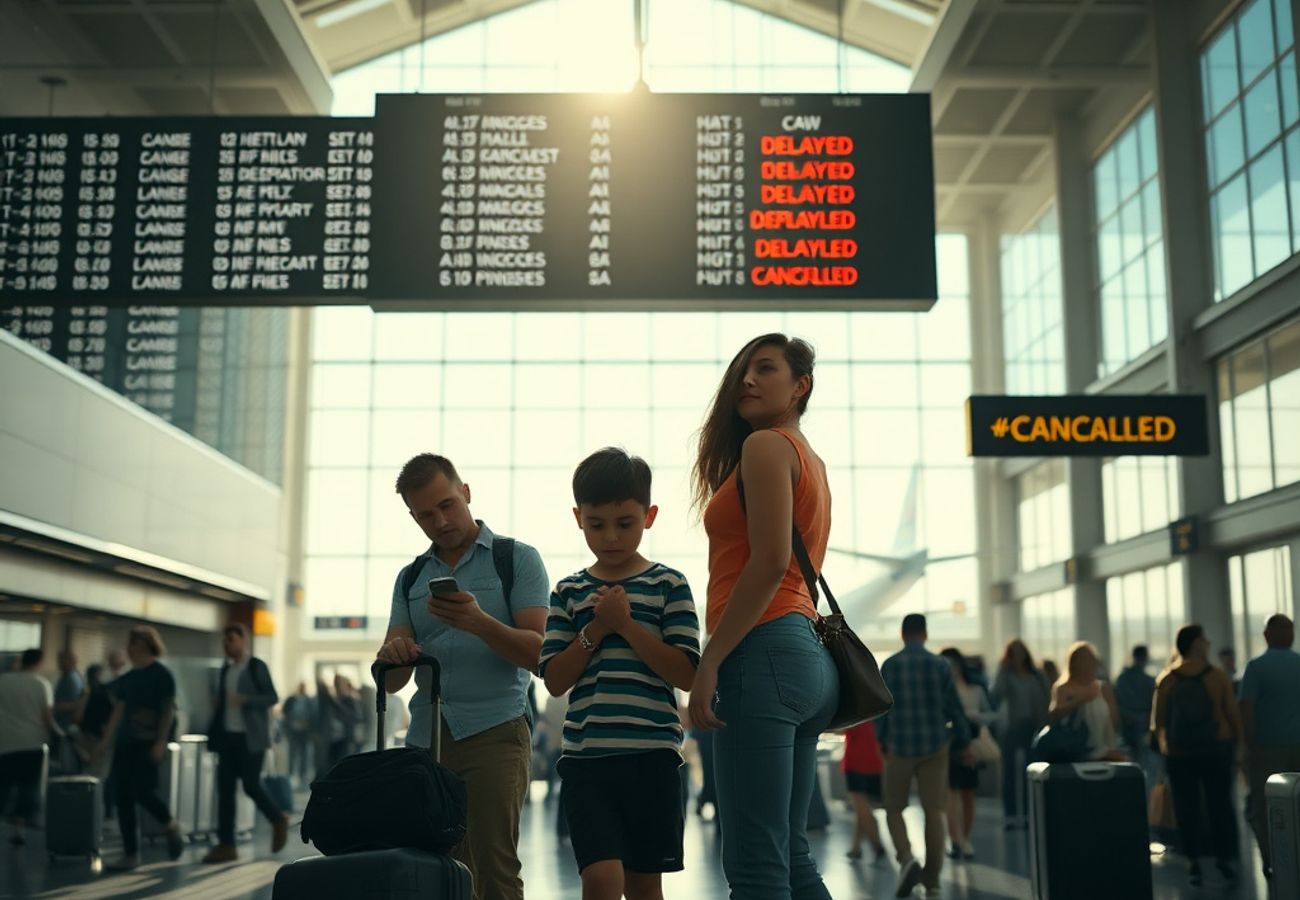
Image generated by AI
[New York, July 14, 2026] — The global aviation sector is currently navigating one of its most volatile and expensive periods in recent history as the FIFA World Cup 2026 reaches its climax. With the Semifinals scheduled for July 14 and 15 and the Final set for July 19, a combination of exhausted airline capacity and astronomical passenger demand has sent ticket prices to record highs for travellers from Australia, Canada, and New Zealand.
The convergence of limited seat inventory and event-driven travel has forced many supporters and corporate delegates to adopt unconventional and costly booking strategies. Industry reports indicate that standard discounted fares have vanished, while premium cabins have reached near-total capacity, leaving last-minute travellers to face some of the highest airfares ever recorded during a major sporting event.
Dynamic Pricing Drives Historic Airfare Surges
The current pricing crisis is the result of an extreme concentration of travel demand centered on the tournament's closing schedule. As the competition enters its decisive phase, international supporters are competing for a dwindling number of seats into primary host cities. This has allowed airlines to implement aggressive, demand-based pricing models on a scale previously unseen.
Aviation analysts observe that traditional seasonal pricing patterns have been completely overridden. Instead, costs are being driven almost exclusively by real-time demand, particularly for flights departing immediately before the Semifinals and the Final. This environment has created a prohibitive booking window for leisure travellers, especially those attempting to secure transport with minimal notice.
US Domestic Flights See Massive Price Spikes
Domestic aviation within the United States has been hit hardest by the tournament-related demand. Flights heading toward designated FIFA World Cup host cities have seen average year-over-year fare increases of approximately 42 percent for both short-haul and domestic routes.
For those booking during this final window, the financial burden is even more severe. Data indicates that economy-class tickets purchased at the last minute have surged between 50 percent and 100 percent compared to prices available in early June. More critically, services operating immediately before major matches have seen prices climb from 200 percent to as much as 400 percent above normal baseline fares.
Long-Haul International Markets Face Inflation
The price shock extends far beyond US borders, with long-haul markets serving North America experiencing significant inflation. Direct services between major European hubs and host cities have recorded average airfare increases of approximately 13 percent. While lower than the domestic spikes, these fares remain at historically elevated levels.
Round-trip economy tickets to major gateways, such as New York, have generally hovered around US$2,000 for basic economy seating. Meanwhile, Business and First Class fares have climbed well beyond standard pricing due to a surge in premium leisure bookings and corporate delegations.
Travellers from South Asia, specifically India, are facing baseline economy fares between US$900 and US$2,100. Furthermore, flights scheduled between July 16 and July 19 are attracting automatic peak surcharges ranging from 30 percent to 50 percent.
Aviation Pressure Peaks in New York, Atlanta, and Dallas
The concentration of the tournament's final fixtures has placed immense operational pressure on a small number of metropolitan aviation hubs. Dallas, Atlanta, and the New York metropolitan region—specifically JFK, EWR, and LGA—have become the primary focal points for global football travel.
According to official reports, New York airspace is currently managing an unprecedented volume of both commercial and private aircraft. The influx of broadcasters, tournament officials, sponsors, and fans has pushed air traffic management systems and airport infrastructure to their absolute limits.
Divergence Between Flight Demand and Hotel Occupancy
Interestingly, a disconnect has emerged between the aviation sector and the hospitality industry. While commercial flight reservations departing the US have risen by approximately 13 percent and domestic air travel has expanded by around 15 percent, hotel occupancy has not mirrored this growth.
More than half of hotel operators report that occupancy levels are falling below initial forecasts. This suggests a shift in consumer behavior, where supporters are securing expensive flights but opting for alternative lodging, such as short-term rentals, shared accommodations, or late-stage booking arrangements to offset the high cost of airfare. This trend is particularly prevalent among younger demographics.
Premium Cabin Scarcity and Corporate Impact
The competition for premium seating has reached a breaking point. The combination of affluent football enthusiasts and corporate travel for sponsors and media organizations has exhausted Business and First Class inventories.
Many flights reached full premium capacity long before departure, leaving only a few seats available at drastically inflated prices. Consequently, standard corporate travel budgets are struggling to secure premium reservations during this final week of the tournament, further driving up the overall market price.
Strategic Recommendations for Late-Stage Travellers
Despite the historic inflation, industry observers suggest a few methods to mitigate costs during the final week:
- Adjust Departure Dates: Bookings scheduled three to seven days after the Final are currently offering significantly lower fares than those immediately surrounding the matches.
- Utilize Secondary Airports: Regional airports often provide more affordable alternatives to the primary host city gateways.
- Monitor Consumer Protections: Travellers are encouraged to review consumer protection laws regarding fare transparency and cancellations.
The 2026 World Cup has redefined the limits of dynamic pricing in the aviation industry.
Related Travel Guides
Disclaimer
This article is for informational and educational purposes only. It does not constitute legal, financial, or professional advice. While we strive to provide accurate and up-to-date information, travel policies, regulations, and conditions change rapidly. Always verify information with official sources before making travel decisions. Nomad Lawyer makes no representations about the accuracy, reliability, completeness, or suitability of the information provided. Readers should consult qualified professionals for advice specific to their circumstances. The views expressed in this article are those of the author and do not necessarily reflect the views of Nomad Lawyer.
Kunal K Choudhary
Co-Founder & Contributor
A passionate traveller and tech enthusiast. Kunal contributes to the vision and growth of Nomad Lawyer, bringing fresh perspectives and driving the community forward.
Learn more about our team →