
Saudi Arabia Joins Türkiye, Indonesia, and Malaysia as Faith Travel Rebounds with Record Pilgrimage Demand, Elevating Global Religious Tourism: New Travel Alert
Global religious tourism rebounds in 2026. Discover Hajj and Umrah travel updates, halal tourism hubs, and digital permit guidelines.

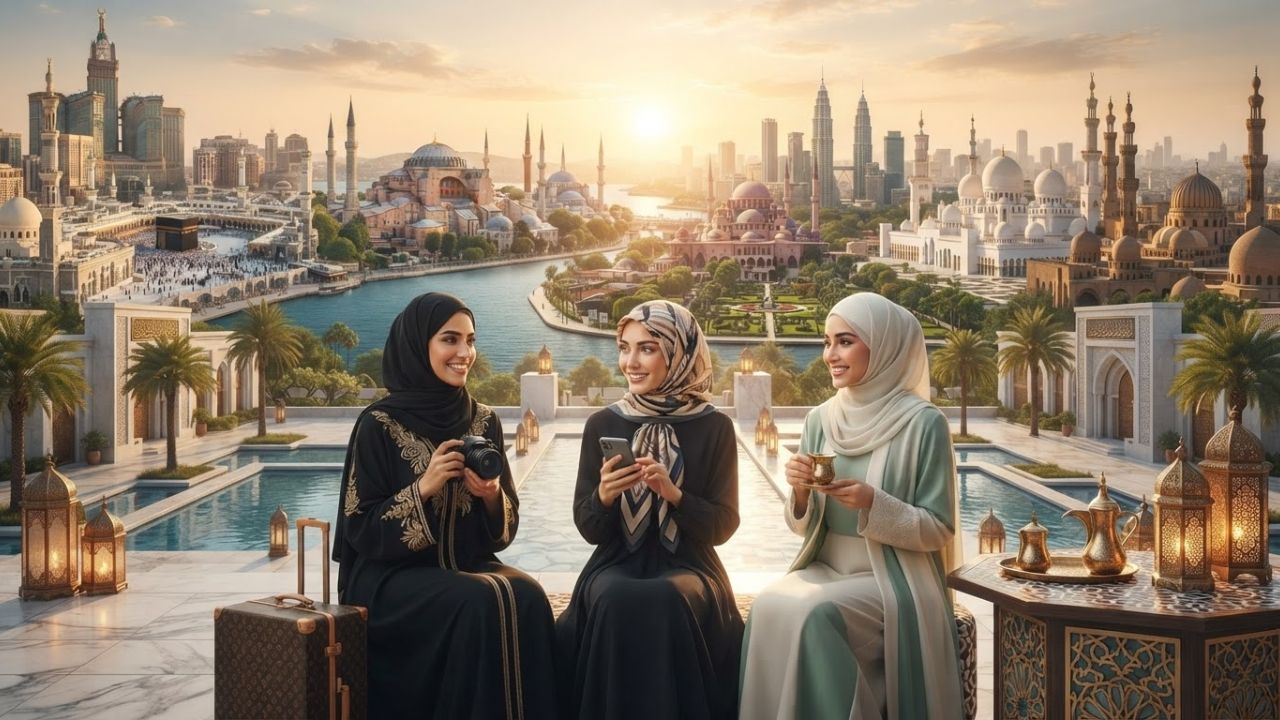
Image generated by AI
Published on July 19, 2026
A powerful revival in global religious tourism is underway as millions of faith-driven travelers return to major pilgrimage routes, historic Islamic heritage sites, and spiritual destinations. Driven by record demand for Hajj and Umrah, countries like Saudi Arabia, Indonesia, Türkiye, and Malaysia are implementing massive infrastructure and digital portal upgrades. Pilgrims and cultural travelers planning spiritual journeys are urged to secure online permits, confirm transit connections, and prepare for synchronized crowd control protocols.
Quick Summary
- Pilgrimage Demand Surge: The religious travel sector is experiencing a major rebound, driven by high demand for Hajj, Umrah, and Islamic heritage site visits.
- Saudi Infrastructure Push: As the center of Muslim faith travel, Saudi Arabia is investing heavily in faster transport networks, hotel capacity, and digital permits in Makkah and Madinah.
- Key Source Markets: Indonesia (with the world's largest Muslim population) continues to drive record pilgrim volumes, while Malaysia solidifies its role as a leading global halal tourism hub.
- European & Cultural Expansion: Faith travel is expanding beyond traditional hubs, with growing Islamic heritage tours in Spain's Andalusia region (Granada and Córdoba) and cities like Istanbul and Cairo.
- Digital Innovation: Mobile payment portals, smart transit solutions, and online registration apps are being deployed to manage massive crowd flows and improve safety.
Context and Background: Rebuilding Global Faith Travel Corridors
The religious travel sector is experiencing a major revival as travel restrictions are dismantled and international routes resume. Faith-based travel has historically been one of the most stable segments of the tourism industry, driven by deep spiritual commitments.
Today, Muslim travelers are increasingly combining religious pilgrimages with cultural exploration and extended heritage holidays. This shift is transforming traditional pilgrimage activities into a dynamic, multi-destination travel sector supported by significant government funding, infrastructure development, and digital services.
Event/Incident Details: Key Destinations Driving Global Religious Tourism
Multiple destinations are expanding their facilities to welcome faith-driven travelers and manage rising pilgrimage demand:
- Saudi Arabia: Makkah (focusing on pilgrim housing and crowd management) and Madinah (expanding religious heritage experiences) remain the central anchors of global Muslim travel. The government is investing in high-speed rail networks, digital permits, and hotel capacity. Check updates on the Saudi Ministry of Hajj and Umrah official portals to manage visa permits.
- Indonesia: As a leading source market, Indonesia fuels record pilgrimage volumes for Hajj and Umrah. The country is also developing domestic Islamic heritage spots in Jakarta, Aceh, Yogyakarta, and West Sumatra.
- Türkiye: Merges Ottoman history with spiritual travel, drawing millions to the historic mosques of Istanbul, spiritual centers of Konya, and heritage architecture of Bursa and Edirne.
- Malaysia: Serves as a global halal tourism benchmark with certified restaurants, prayer facilities, and Muslim-friendly hotels across Kuala Lumpur, Penang, and Sabah. See Tourism Malaysia official halal travel resources for itineraries.
- United Arab Emirates: Abu Dhabi and Dubai serve as premium transit gateways and luxury hubs, connecting pilgrims from Asia, Europe, and Africa to holy sites.
- Egypt: Focuses on Cairo, Al-Azhar Mosque, and historic Islamic districts, merging faith travel with historical tourism.
Risk/Impact: Managing Environmental Risks and Crowd Pressures
The high concentration of passengers during peak religious gatherings introduces several logistical and safety risks.
- Logistical Infrastructure Strain: High concentrations of travelers during peak seasons like Hajj place extreme pressure on local aviation, hospitality, and transit systems.
- Environmental Footprint Concerns: Managing waste, water consumption, and carbon emissions for millions of pilgrims is a critical sustainability challenge.
- Crowd Safety Management: Directing large pedestrian flows in holy sites requires advanced coordination to prevent bottlenecks and ensure safety.
- Rerouting Air Traffic: Transit delays at major hubs like Dubai or Cairo can immediately disrupt tight connecting flights for group tour bookings.
- Strict Permit Enforcement: Unauthorized travel or lack of digital registration can result in immediate entry denials at pilgrimage borders.
What Authorities Are Saying: Administrative Synergy and Digital Permits
Tourism ministries emphasize that digital innovation is essential to balance large visitor volumes with safety. According to UN Tourism global cultural heritage guidelines, sustainable management of heritage destinations preserves historical integrity and supports local economies.
Governments are deploying smart registration systems, mobile payment apps, and virtual information portals to simplify transactions and improve the overall pilgrim experience. Collaborative agreements between source markets, like Indonesia, and transit countries, like the UAE, help streamline passenger transits.
Practical Traveler Advice: Preparing for Hajj, Umrah, and Halal-Friendly Journeys
To navigate the expanding faith travel network safely, travel experts suggest the following guidelines:
- Secure Permits Online: Register through official government apps for Umrah or Hajj permits before planning flights.
- Verify Halal Certification: Book accommodations and dine at verified, Muslim-friendly establishments using regional tourism directories.
- Allow Transit Buffer Time: Schedule longer layovers when connecting through major transit hubs like Dubai or Istanbul.
- Maintain Digital Backups: Save electronic copies of your pilgrimage visas, transport passes, and vaccine records on your mobile device.
- Review Regional Guidelines: Consult local travel boards when planning visits to historical sites in Andalusia (Spain) or Cairo (Egypt).
- Select Sustainable Tour Packages: Partner with operators that emphasize waste reduction and environmentally responsible travel practices.
Broader Context: How Global Religious Tourism Extends Beyond Pilgrimage
Faith travel is expanding beyond traditional hubs, as European destinations develop halal services to welcome Muslim visitors. The United Kingdom focuses on shopping, urban culture, and Islamic museum collections. Spain's Andalusia region (specifically Granada and Córdoba) remains one of Europe's strongest Islamic heritage destinations. Bosnia and Herzegovina blends Ottoman history with unique local Muslim culture. Similarly, France and Germany are expanding halal-certified hospitality options to support regional travel demand.
Looking Ahead: Sustainable Management and Smart Travel Portals
Over the next few years, the faith travel sector is projected to expand, driven by rising incomes and younger travelers seeking meaningful journeys. Destinations will continue to integrate smart transport networks and eco-friendly waste management solutions to handle massive crowd demands. Joint regional marketing and digital passport integrations will likely simplify travel across borders, ensuring the long-term growth of the industry.
Conclusion: Emphasizing Preparedness and Vigilance
Global religious travel is entering a new era of growth, supported by infrastructure investment and digital innovation. By preparing in advance, coordinating visas, and selecting verified services, travelers can ensure a safe and spiritual journey. Emphasizing preparedness and vigilance when planning travel remains essential for a successful holiday.
FAQ: Global Religious Tourism and Hajj/Umrah Guidelines
What is driving the growth of global religious tourism?
A combination of restored international connectivity, rising global Muslim populations, digital travel portals, and infrastructure funding.
How is Saudi Arabia upgrading its pilgrim infrastructure?
By expanding housing in Makkah, heritage experiences in Madinah, and introducing high-speed rail and online permit portals.
What is Malaysia's role in halal tourism?
Malaysia is a leading global halal hub, offering certified restaurants, prayer facilities, and Muslim-friendly hotels.
Which European regions are popular for Islamic heritage travel?
Spain's Andalusia region (Granada and Córdoba), the United Kingdom, and Bosnia and Herzegovina are popular destinations.
How is technology transforming faith travel?
Through online registrations, mobile payment systems, virtual information portals, and smart crowd-management transit systems.
Related Travel Guides
Disclaimer
This article is for informational and educational purposes only. It does not constitute legal, financial, or professional advice. While we strive to provide accurate and up-to-date information, travel policies, regulations, and conditions change rapidly. Always verify information with official sources before making travel decisions. Nomad Lawyer makes no representations about the accuracy, reliability, completeness, or suitability of the information provided. Readers should consult qualified professionals for advice specific to their circumstances. The views expressed in this article are those of the author and do not necessarily reflect the views of Nomad Lawyer.
Kunal K Choudhary
Co-Founder & Contributor
A passionate traveller and tech enthusiast. Kunal contributes to the vision and growth of Nomad Lawyer, bringing fresh perspectives and driving the community forward.
Learn more about our team →