
Explore America's Most Enchanting Castle and Woodland Retreats That Recreate Old World Magic, Highlighting Premier European-Style Destinations in the US: New Travel Alert
Discover European-style destinations in the US. Explore grand castles, Gilded Age estates, and majestic woodlands in Asheville, Tarrytown, and San Simeon.

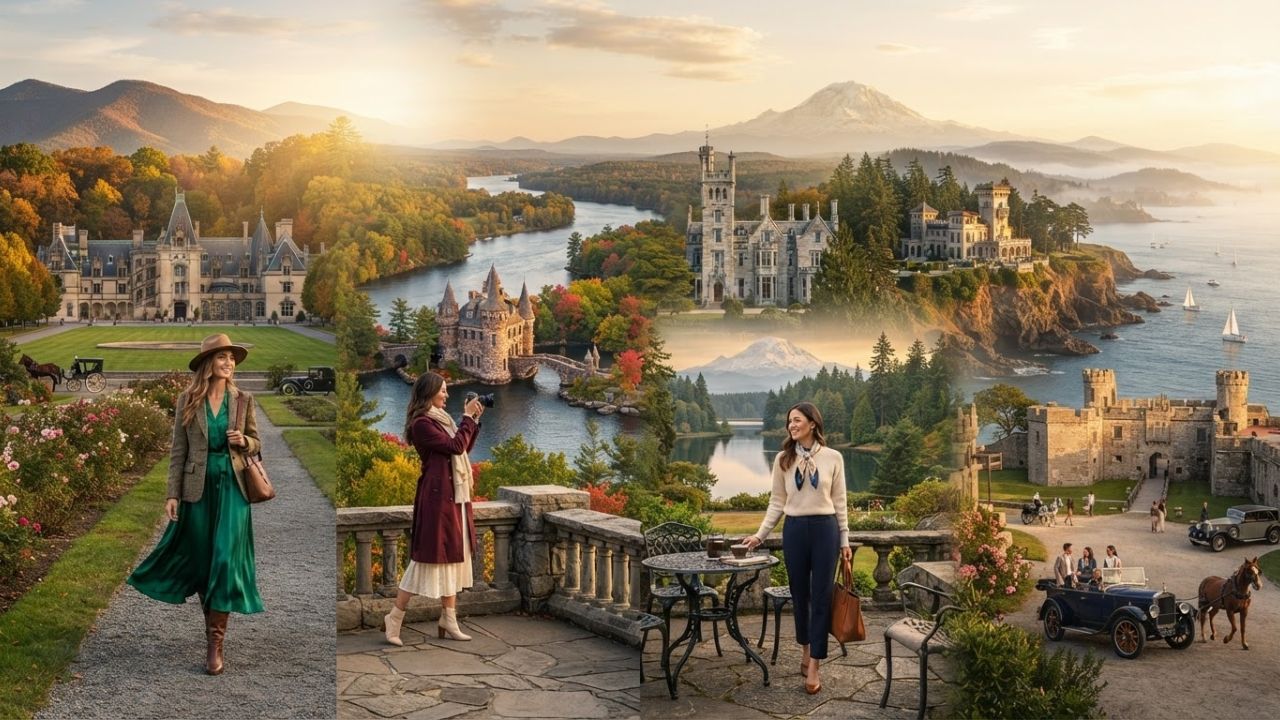
Image generated by AI
Published on July 19, 2026
A rising preference for heritage-driven tourism has drawn attention to a collection of stunning castle and forest retreats that replicate the grand estates of the Old World, establishing several key European-style destinations in the US. From Gilded Age châteaux to historic Spanish fortresses, these properties combine architectural marvels with vast woodland settings to offer luxury holidaymakers and history lovers a taste of Europe without an international flight. Travelers planning their next road trip are encouraged to review these regional hotspots, secure entry permits early, and integrate scenic forest parkways into their itineraries.
Quick Summary
- Domestic Heritage Travel: An increasing number of travelers are choosing European-style destinations in the US to experience historic châteaux, Gothic country houses, and ancient forests without crossing the Atlantic.
- Asheville's Biltmore Grandeur: Asheville’s Biltmore Estate is America's largest private residence with 250 rooms, completed in 1895 and surrounded by the scenic Blue Ridge Mountains and Pisgah National Forest.
- California Mediterranean Coast: San Simeon features Julia Morgan’s designed Hearst Castle, drawing over 850,000 visitors annually, surrounded by Monterey pine forests in Hearst San Simeon State Park.
- Florida Spanish Legacy: St. Augustine, the oldest continuously occupied European-founded settlement (established 1565), features the Castillo de San Marcos which drew 598,000 visitors in 2025.
- Nature Economy Support: The U.S. outdoor recreation economy generated $696.7 billion (representing 2.4% of national GDP in 2024), illustrating the massive role of protected forest parks.
Context and Background: The Rise of Heritage Tourism and Forest Escapes
For travelers longing for the romance of Europe’s medieval castles, aristocratic estates, and centuries-old forests, the United States is emerging as an unexpected alternative. A growing preference for heritage-driven tourism, scenic road trips, and immersive nature holidays is encouraging travelers to look beyond traditional city breaks.
According to US National Park Service travel statistics and archives, America’s national park system welcomed more than 323 million recreation visits during 2025, demonstrating sustained demand for nature-focused travel. Furthermore, the US Forest Service continues to highlight recreation as a major economic contributor that supports local gateway communities, creating a powerful commercial foundation for regional travel growth.
Event/Incident Details: Six Premier European-Style Destinations in the US
Grand Gilded Age estates, Gothic Revival mansions, and historic fortifications successfully recreate the atmosphere of Europe across the United States. Six destinations stand out for their historical architecture and spectacular natural surroundings:
- Asheville, North Carolina: The Biltmore Estate, completed in 1895, remains America's largest privately owned residence with 250 rooms inspired by French Renaissance châteaux. The property is framed by the Blue Ridge Mountains and Pisgah National Forest, with the Blue Ridge Parkway ranking among the most visited National Park Service units.
- Alexandria Bay, New York: Boldt Castle on Heart Island resembles Rhine and Loire Valley fortresses, surrounded by the Thousand Islands' mixed forests and water pathways.
- Tarrytown, New York: Lyndhurst Mansion is one of America's finest Gothic Revival country manors, overlooking the Hudson River and surrounded by wooded valleys and autumn foliage.
- San Simeon, California: Hearst Castle, designed by Julia Morgan between 1919 and 1947, comprises the 115-room Casa Grande, three guesthouses, the Neptune and Roman pools, and eight acres of formal gardens. According to California State Parks Hearst Castle guides, the estate draws over 850,000 visitors annually, bordered by Hearst San Simeon State Park's Monterey pine forests.
- Tacoma, Washington: Thornewood Castle, constructed from authentic 16th-century English Tudor bricks, evokes Scottish baronial styles next to Douglas fir forests near Mount Rainier.
- St. Augustine, Florida: The Castillo de San Marcos National Monument, completed during Spanish colonial rule using coquina stone, is a genuine 17th-century fortress. Recognized as the oldest continuously occupied European-founded settlement (established 1565), the monument welcomed 598,000 visits in 2025.
Risk/Impact: Managing Visitor Capacity and Protecting Forest Ecosystems
The expansion of heritage tourism near fragile natural areas introduces several operational challenges and management requirements.
- Ecosystem Preservation Demands: Heavy foot traffic near Monterey pine forests in San Simeon or live oaks in St. Augustine requires strict conservation management.
- Traffic Congestion in Protected Zones: High visitor volume along the Blue Ridge Parkway during autumn peak seasons places pressure on local infrastructure.
- High Restoration Costs: Maintaining Gilded Age stone structures, like Boldt Castle or Lyndhurst Mansion, requires skilled masonry and constant financial investment.
- Severe Weather Threats: Coastal fortresses like the Castillo de San Marcos face erosion and sea-level challenges along the Atlantic coast.
- Bespoke Access Limits: Strict capacity limits at boutique castle properties require travelers to purchase timed entry passes in advance.
What Authorities and Travel Advisors Are Saying: Promoting Regional Journeys
Destination marketing organizations and tour operators encourage travelers to explore regional road trips rather than limiting visits to a single estate. According to US Bureau of Economic Analysis outdoor economy reports, the country's outdoor recreation economy generated $696.7 billion (representing 2.4% of national GDP in 2024).
By distributing visitor spending across gateway communities, these castle-and-woodland escapes support thousands of local jobs and support regional hospitality businesses. Travel boards state that combining historic properties with scenic forest parkways helps create multi-day itineraries that appeal to both first-time and repeat travelers.
Practical Traveler Advice: Itinerary Coordination and Seasonal Bookings
To plan a castle-and-woodland holiday in the United States successfully, travel experts recommend the following guidelines:
- Book Timed Entry Tickets Early: Secure passes for Biltmore, Hearst Castle, or Boldt Castle well ahead of departure, as venues enforce capacity limits.
- Plan Around Peak Foliage: Schedule visits to Tarrytown or Alexandria Bay between September and October to catch North America's finest autumn colors.
- Incorporate Regional Scenic Drives: Pair your Asheville holiday with the Blue Ridge Parkway, or San Simeon with California's Highway 1 coastal drive.
- Prepare for Outdoor Excursions: Pack hiking gear and check park guidelines when exploring Mount Rainier near Tacoma or the Pisgah Forest.
- Review Weather Profiles: Visit Castillo de San Marcos in St. Augustine between October and April to avoid Florida's summer humidity.
- Select Boutique Accommodations: Book plantation-style lodges or luxury inns near these historic locations to complete the heritage experience.
Broader Context: How Castle Settings and Woodlands Recreate the European Illusion
Europe's most famous heritage sites are rarely defined by architecture alone. Instead, they integrate forests, rivers, mountains, and historic villages. The same principle explains why these six American cities feel remarkably European. The ancient hardwood forests around Asheville resemble Britain's national parks, while the Thousand Islands region evokes Central Europe's river valleys. Monterey pine forests in California mirror northern Spain or Portugal's Ligurian coastlines, Douglas firs in Washington recall Norway, and the Hudson Valley woodlands resemble rural England.
Looking Ahead: Sustainable Expansion and Next-Generation Travel Choices
Over the next few years, heritage travel is projected to expand as rising international flight costs encourage domestic tourism. State park agencies and the National Park Service will continue updating facilities to accommodate millions of recreational visits. Digital reservation systems will likely expand, allowing operators to protect local ecosystems while offering immersive, educational histories.
Conclusion: Emphasizing Preparedness and Vigilance
America's castle and forest retreats provide an exceptional alternative to traditional city breaks. By planning itineraries in advance, securing bookings early, and coordinates transport links, travelers can enjoy unique twin-island style vacations closer to home. Emphasizing preparedness and vigilance when planning travel remains essential for a successful holiday.
FAQ: European-Style Destinations in the US and Historic Estates
What are the top European-style destinations in the US?
Asheville (North Carolina), Alexandria Bay (New York), Tarrytown (New York), San Simeon (California), Tacoma (Washington), and St. Augustine (Florida).
Which US castle is the largest private residence?
The Biltmore Estate in Asheville, North Carolina, completed in 1895, featuring 250 rooms inspired by French châteaux.
How many visitors does Hearst Castle attract?
Hearst Castle in San Simeon, California, designed by Julia Morgan, attracts more than 850,000 visitors annually.
Why is St. Augustine culturally significant?
Established in 1565, it is the oldest continuously occupied European-founded settlement in the continental US and features the 17th-century Castillo de San Marcos.
How does the surrounding forest landscape enhance the castle experience?
Dense forests, rivers, and mountains recreate the settings of Europe's Rhine Valley, Scottish Highlands, and Mediterranean coasts.
Related Travel Guides
Disclaimer
This article is for informational and educational purposes only. It does not constitute legal, financial, or professional advice. While we strive to provide accurate and up-to-date information, travel policies, regulations, and conditions change rapidly. Always verify information with official sources before making travel decisions. Nomad Lawyer makes no representations about the accuracy, reliability, completeness, or suitability of the information provided. Readers should consult qualified professionals for advice specific to their circumstances. The views expressed in this article are those of the author and do not necessarily reflect the views of Nomad Lawyer.
Kunal K Choudhary
Co-Founder & Contributor
A passionate traveller and tech enthusiast. Kunal contributes to the vision and growth of Nomad Lawyer, bringing fresh perspectives and driving the community forward.
Learn more about our team →