
Global Overtourism Alert: Spain and 10 Nations Impose Strict New Travel Caps in 2026
Spain, Italy, and Iceland lead a global coalition of nations implementing urgent travel caps, environmental taxes, and visitor limits to combat the devastating overtourism crisis.

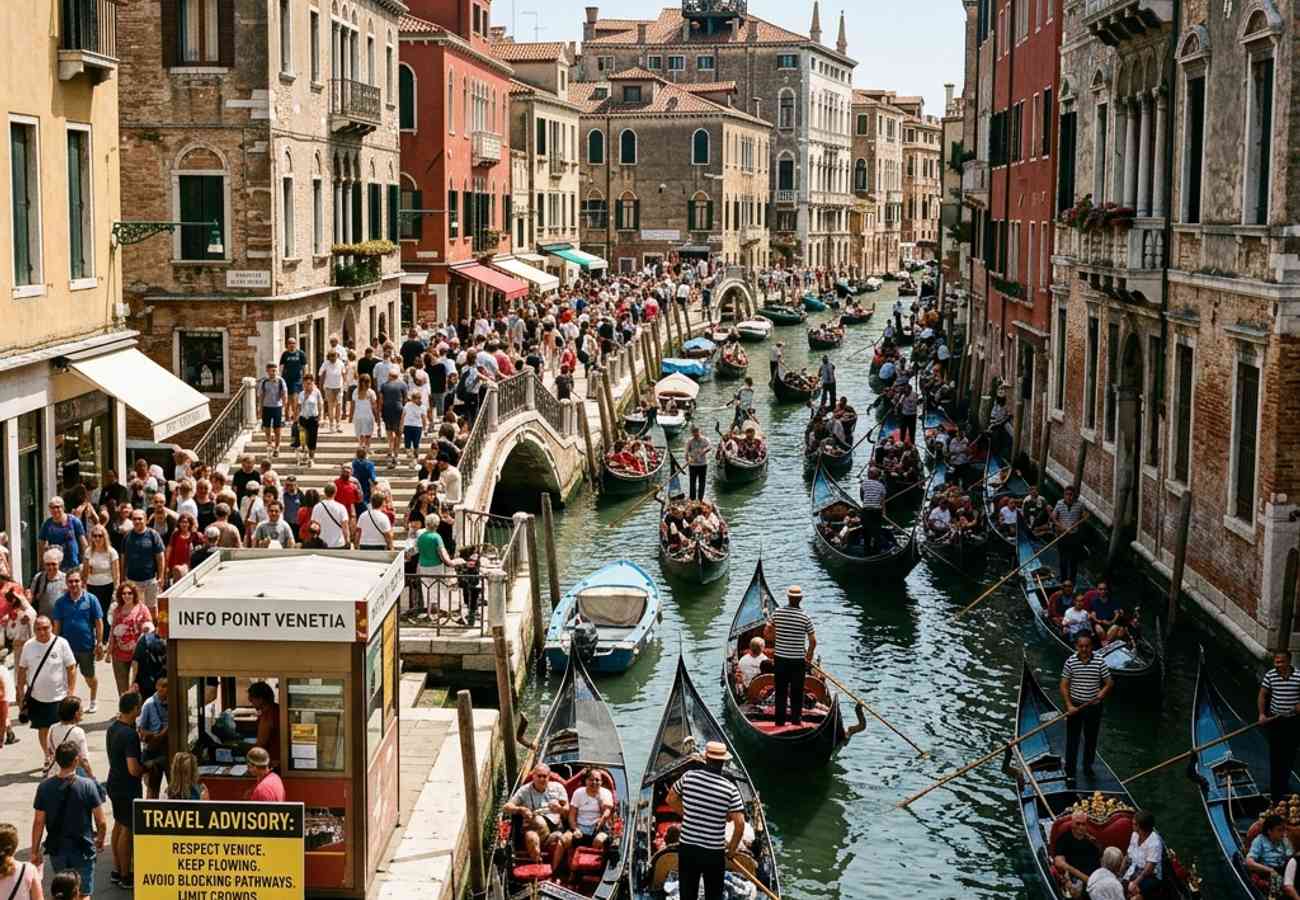
Image generated by AI
Quick Summary
- Spain has officially joined a coalition of 10+ nations, including Italy, Iceland, and Croatia, in a coordinated effort to mitigate the overtourism crisis.
- Major destinations like Barcelona and Venice are implementing immediate caps on visitor numbers and strict regulations on short-term rentals (Airbnb).
- Environmental taxes and vehicle access restrictions are being introduced across the Balearic Islands and the Amalfi Coast to preserve fragile ecosystems.
- Travelers are advised that iconic sites like Machu Picchu and Komodo Island now require pre-booked time slots or face temporary closures for conservation.
The global tourism industry is facing an unprecedented tipping point as the "overtourism" phenomenon reaches critical levels in early 2026. Spain, alongside a diverse group of nations ranging from Peru to Indonesia, has declared a state of urgency regarding the preservation of cultural landmarks and natural wonders. This collective action signals a shift from mass tourism toward a strictly regulated, sustainable model designed to protect local communities and environments.
Overtourism Measures by Country: 2026 Summary
Governments have introduced a series of high-impact measures to restore balance to over-burdened hotspots.
| Destination | Primary Impact Area | Key Mitigation Measures |
|---|---|---|
| Barcelona, Spain | Urban overcrowding | Cap on attraction visitors; Airbnb regulations |
| Venice, Italy | Historic degradation | Entry tourism tax; Cruise ship ban in canals |
| Machu Picchu, Peru | Archaeological damage | Strict daily visitor limit; Assigned time slots |
| Bali, Indonesia | Infrastructure strain | Eco-accommodation mandate; Regional traffic caps |
| Dubrovnik, Croatia | UNESCO site pressure | Cruise ship arrival limits; Old Town entry caps |
| Golden Circle, Iceland | Environmental erosion | Access regulation; Diversion to lesser-known sites |
Europe’s Frontline: Spain, Italy, and Iceland
The most severe restrictions are currently concentrated in Europe’s most iconic hubs. In Barcelona, the local government has prioritized residents' quality of life by curbing the expansion of budget accommodation.
- Balearic Islands: Mallorca and Ibiza have introduced dynamic environmental taxes that fluctuate based on visitor density, aiming to fund conservation projects.
- Venice & Florence: Italy’s "City of Canals" has further tightened its tourism tax system, requiring all day-trippers to register and pay an entry fee during peak weekends.
- Iceland's South Coast: Authorities have invested in visitor education programs to promote "Leave No Trace" principles as infrastructure struggles to keep pace with demand.
Sustainable Shifts in Asia and Latin America
Beyond Europe, iconic destinations are taking even more drastic conservation steps.
Indonesia has focused on its most ecologically sensitive areas. Komodo Island has experienced temporary full-closures to allow for habitat restoration, while Bali is aggressively promoting its "10 New Balis" strategy to redistribute tourist traffic across the archipelago.
In Peru, the management of Machu Picchu has become a global benchmark for sustainable heritage tourism. The implementation of strict time slots has successfully reduced soil erosion and site congestion, though it has made spontaneous visits nearly impossible.
What This Means for Travelers: 2026 Advisory
- Pre-Booking is Mandatory: Spontaneous travel to world-famous landmarks is largely a thing of the past. Ensure all entry permits and time slots are secured at least 3-6 months in advance.
- Higher Travel Costs: With the introduction of "Green Taxes" and "Sustainability Fees," budget travelers should allocate an additional 10-15% of their budget for mandatory destination fees.
- Seek Alternatives: To avoid crowds and support sustainable growth, consider visiting secondary cities or "dupe" destinations (e.g., visiting Zadar instead of Dubrovnik).
Actionable Advice: Before finalizing your 2026 itinerary, check the official heritage site portals for the latest visitor caps and environmental fee updates. For high-demand locations like Venice or Machu Picchu, utilize verified local guides who can navigate the new entry regulations on your behalf.
FAQ: Global Overtourism Crisis 2026
Which cities currently have a tourism tax? Venice, Barcelona, and major cities in the Balearic Islands have active tourism taxes. Many other European hubs, including Paris and Amsterdam, have also increased their existing hotel taxes to combat overcrowding.
Can I still visit Machu Picchu without a guide? As of May 2026, a certified guide is mandatory for most entry categories at Machu Picchu to ensure adherence to strict conservation paths and time-limited tours.
Are cruise ships banned in all of Europe? No, but major hubs like Venice and Dubrovnik have implemented specific bans or severe restrictions on large cruise vessels entering sensitive historic zones.
Related Travel Guides
Disclaimer
This article is for informational and educational purposes only. It does not constitute legal, financial, or professional advice. While we strive to provide accurate and up-to-date information, travel policies, regulations, and conditions change rapidly. Always verify information with official sources before making travel decisions. Nomad Lawyer makes no representations about the accuracy, reliability, completeness, or suitability of the information provided. Readers should consult qualified professionals for advice specific to their circumstances. The views expressed in this article are those of the author and do not necessarily reflect the views of Nomad Lawyer.
Kunal K Choudhary
Co-Founder & Contributor
A passionate traveller and tech enthusiast. Kunal contributes to the vision and growth of Nomad Lawyer, bringing fresh perspectives and driving the community forward.
Learn more about our team →