
Global Air Travel Collapses 2.2% as Middle East Conflicts and Economic Slowdown Devastate Passenger Demand in May 2026
IATA data reveals a sharp 2.2% year-on-year drop in global air passenger demand for May 2026, driven by Middle Eastern conflicts and domestic economic cooling across major markets.

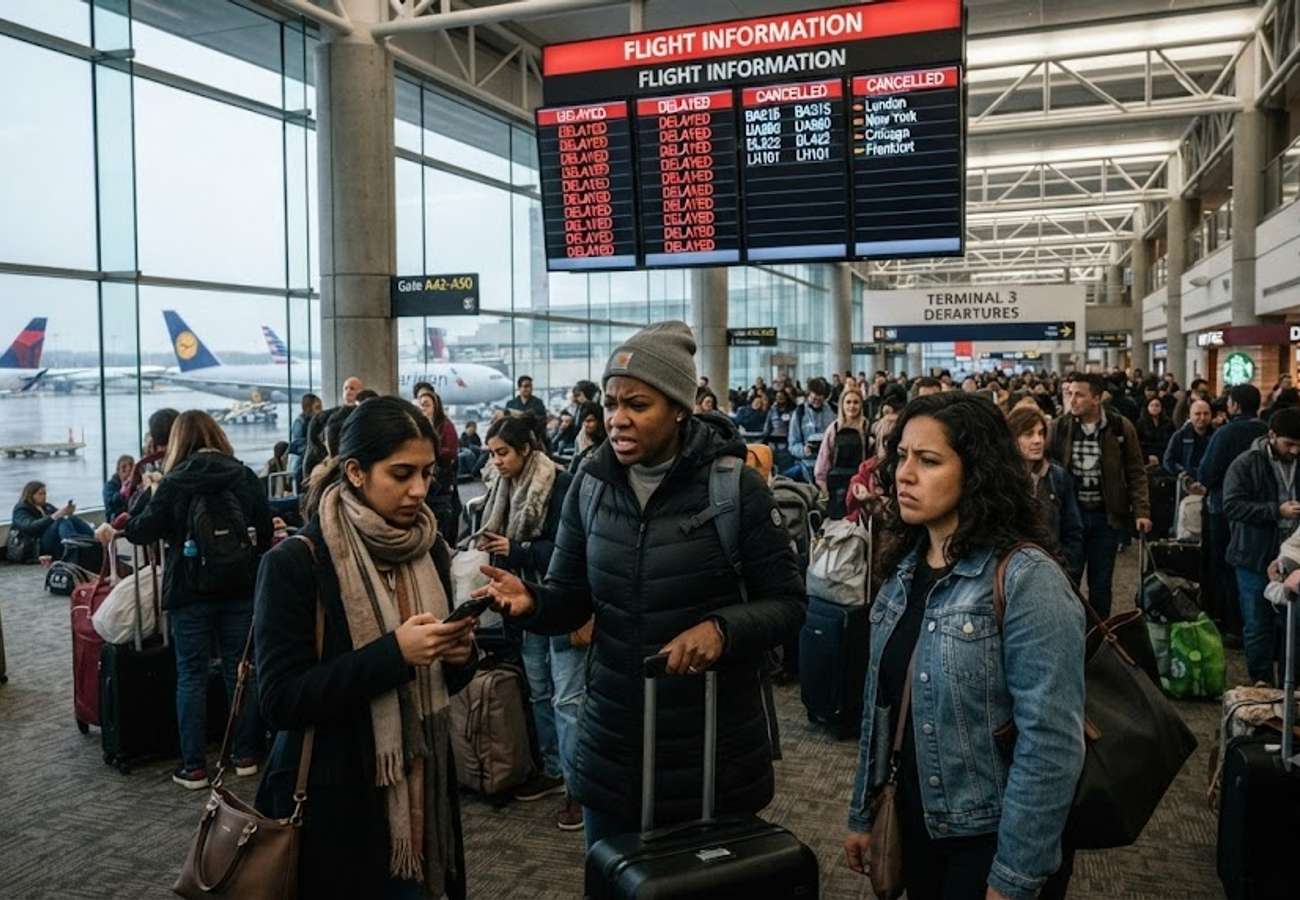
Image generated by AI
The Aviation Downturn Nobody Expected
The International Air Transport Association (IATA) just released May 2026 operational data that sent shockwaves through the travel industry. Global air passenger demand has contracted by 2.2 per cent year-on-year—marking the calendar year's first major collapse. The culprits? Escalating Middle Eastern military conflicts, crumbling domestic economies, and skyrocketing fuel prices that are crushing airline profit margins to near-extinction levels.
What makes this data particularly alarming is what airlines did in response. Rather than face financial catastrophe, carriers deliberately reduced global flight capacity by 2.3 per cent, allowing them to achieve a record-breaking occupancy load factor of 83.5 per cent. Translation: airlines are running fewer flights but filling them to near-maximum capacity.
Reddit: "If you're planning summer travel, book NOW. Ticket prices are about to get absolutely brutal." — r/travel
The Middle East Military Crisis Is Reshaping Global Flight Routes
International flight corridors have become war zones of operational complexity. Middle Eastern airlines alone experienced a devastating 28.4 per cent drop in passenger traffic during May. This represents a slight improvement from April's catastrophic 46.6 per cent decline, but the underlying story remains dire.
Commercial carriers are executing expensive, lengthy diversions around volatile airspace. Traditional flight lanes connecting Europe to Asia are being abandoned entirely. According to IATA's verified traffic measurements, Revenue Passenger Kilometres fell sharply across all regions, with the Middle East bearing the brunt of regional escalations.
The silver lining? If analysts excluded the war-impacted zones from their calculations, international passenger demand actually grew by a modest 0.7 per cent. This tells us something critical: the global aviation market remains fundamentally healthy everywhere except in directly affected regions.
Domestic Markets Are Freezing Cold
The real shocker lurking in IATA's data involves domestic flight networks. Global internal travel demand plunged by 3.1 per cent—a structural shift from the post-pandemic recovery narrative airlines were celebrating just months ago.
China's domestic market dropped by 6.2 per cent, hammered by skyrocketing ticket prices and the shifting calendar dates of the Dragon Boat Festival, which disrupted traditional booking patterns. Meanwhile, US domestic operations fell by 1.9 per cent as inflation-battered consumers dramatically reduced holiday spending and shifted toward cheaper regional rail and driving alternatives.
The uncomfortable truth: average airfares have reached a consumer pain threshold. Budget travelers are voting with their wallets, choosing trains and road trips over expensive flights. High baseline fares are beginning to test consumer financial tolerance limits, according to tracking data from Pax News.
Africa and Latin America Are Breaking The Mold
Not every corner of the globe is suffering. Several continental markets are defying the aviation downturn with impressive growth trajectories.
Africa emerged as the world's strongest-growing aviation sector, posting a commanding 6.6 per cent increase in passenger volumes. Latin America and the Caribbean followed closely, expanding regional travel demand by 6.1 per cent. European networks remained remarkably resilient, posting 2.7 per cent growth while securing the highest regional load factor at 85.9 per cent.
This divergence tells a critical story: regions insulated from geopolitical turmoil and backed by strong local tourism demand are thriving. Western Europe's outbound tourism has remained remarkably protected from distant military conflicts, highlighting a widening gap between war-exposed markets and those driven by organic consumer demand.
The Fuel Crisis Is Gutting Airline Profitability
Here's where things get genuinely alarming for the industry. IATA recently slashed its annual net profit projections down to 23 billion dollars—a massive reduction from the optimistic 45 billion dollars initially forecast before the conflict escalated.
The culprit: volatile jet fuel pricing. The ongoing threat to maritime shipping navigating the critical Strait of Hormuz keeps international fuel costs in constant flux. According to the UK Civil Aviation Authority, annual industry fuel expenses are projected to spiral to an unprecedented 351 billion dollars, consuming nearly one-third of all standard airline operating budgets.
Airlines operate on razor-thin profit margins of roughly two per cent. When fuel costs consume 30+ per cent of operating budgets, corporate survival demands maintaining artificially high ticket prices. There's no negotiation here—it's brutal financial mathematics.
What Summer 2026 Passengers Must Know
Global travellers should prepare for historically elevated ticket pricing as the peak summer season commences. Airline executives have publicly warned that covering energy expenses means discount seat availability will remain severely restricted.
The fewer seats available systemwide translate directly to reduced competition, higher fares, and steeper penalties for last-minute bookings. Booking international travel now requires significantly more advance planning to secure reasonable rates. Passengers should utilize digital flight alerts, lock in travel insurance early, and maintain flexibility with transit dates.
The one bright spot: global air cargo markets have remained exceptionally robust, ensuring supply chains continue moving vital commercial goods smoothly. At least someone is still paying premium prices to fly goods around the planet.
The aviation industry is caught between geopolitical chaos, economic cooling, and unprecedented fuel costs—and passengers are paying the price.
Related Travel Guides
Disclaimer
This article is for informational and educational purposes only. It does not constitute legal, financial, or professional advice. While we strive to provide accurate and up-to-date information, travel policies, regulations, and conditions change rapidly. Always verify information with official sources before making travel decisions. Nomad Lawyer makes no representations about the accuracy, reliability, completeness, or suitability of the information provided. Readers should consult qualified professionals for advice specific to their circumstances. The views expressed in this article are those of the author and do not necessarily reflect the views of Nomad Lawyer.
Kunal K Choudhary
Co-Founder & Contributor
A passionate traveller and tech enthusiast. Kunal contributes to the vision and growth of Nomad Lawyer, bringing fresh perspectives and driving the community forward.
Learn more about our team →