
Ghana Travel Warning: US Reaffirms Level 2 Advisory as CDC Issues October Yellow Fever Alert
The US State Department maintains a Level 2 advisory for Ghana with Level 3 northern restrictions, as the CDC issues a yellow fever alert for the Upper West Region.

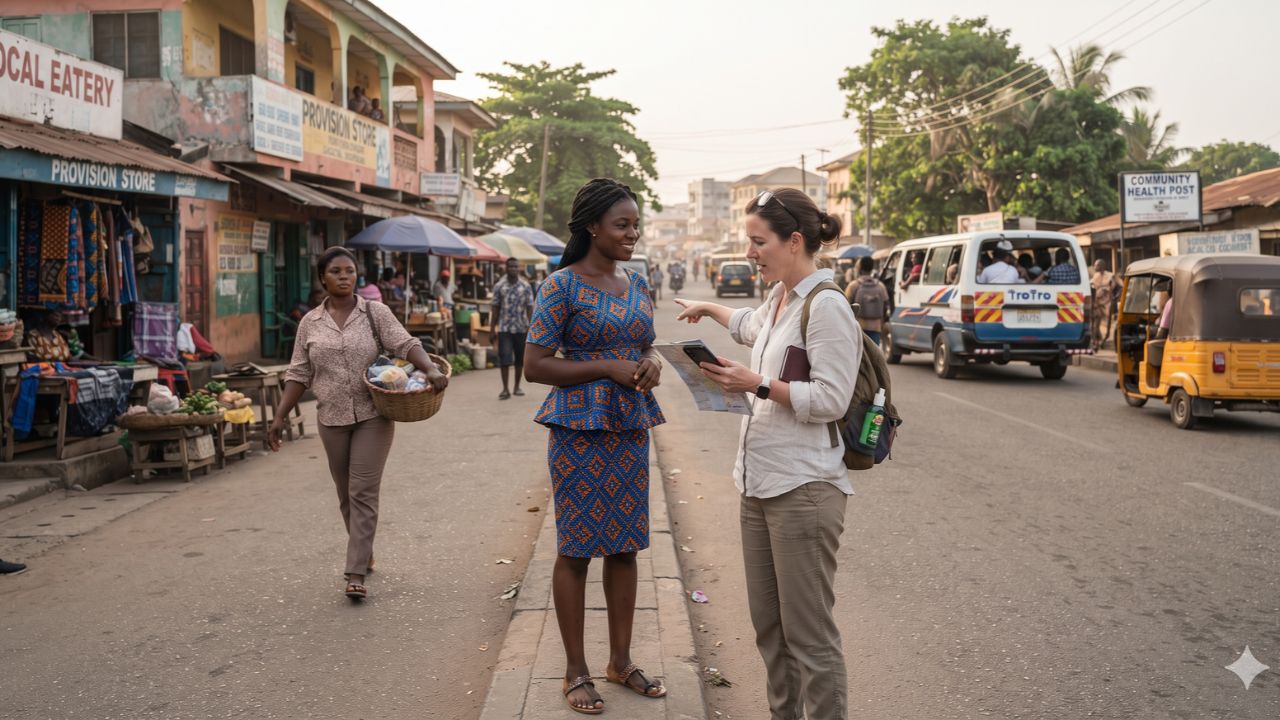
The Atlantic coast of Ghana where tourism continues alongside heightened northern security advisories
Targeting four northern administrative territories alongside an active 16 October 2026 CDC yellow fever outbreak alert in the Upper West Region, updated United States diplomatic advisories have placed vast sectors of Ghana under Level 3 travel warnings. Following an official update on 7 July 2026, the U.S. Department of State Travel Advisories retained Ghana at a baseline Level 2 rating ("Exercise Increased Caution"), but introduced critical sub-national risk indicators. While the southern Atlantic littoral—including the capital of Accra, Cape Coast, and historic Ashanti heritage sites in Kumasi—remains open to conventional tourism, foreign travelers venturing north face escalating threats from violent highway banditry, cross-border armed insurgencies, and severe medical infrastructure deficiencies.
The warning underscores a fundamental geographic divergence within West African travel logistics. Rather than treating Ghana as a monolithic risk environment, consular authorities in Washington, London, and Canberra are enforcing strict territorial delineations. Vacationers and business delegations must navigate a dual-layer risk landscape: physical security vulnerabilities linked to armed instability in neighboring Burkina Faso, coupled with strict mandatory health requirements managed by the Centers for Disease Control and Prevention (CDC).
Sahel Spillover and Regional Instability: Decoding the Northern Boundary Warning
The strategic driver behind the heightened Level 3 ("Reconsider Travel") advisory is the deteriorating security environment across the central Sahel. Over the past twenty-four months, militant non-state armed groups operating across southern Burkina Faso have steadily infiltrated border buffer zones. The State Department specifically advises travelers to reconsider travel to the Upper East, North East, and Upper West regions, as well as areas situated west of the N12 highway in the Savannah Region.
In these northern frontier sectors, limited municipal police deployment and sparse judicial infrastructure create severe logistical vulnerabilities for foreign visitors. Highway ambushes, opportunistic carjackings, assault, and armed robbery represent documented threats along rural unlit corridors. If an emergency occurs, local security services lack rapid-response patrol vehicles, leaving victims stranded without immediate tactical assistance.
International allies have issued complementary territorial restrictions. The United Kingdom’s Foreign, Commonwealth & Development Office (FCDO) advises against all but essential travel specifically to Bawku Municipality in the Upper East Region, where localized chieftaincy conflicts have triggered intermittent curfews and civilian firearm violence. Meanwhile, the Australian Government’s Smartraveller portal warns against any transit within proximity of the Burkina Faso border, urging citizens to reconsider trips across the Upper East and Upper West regions.
Comparative Risk Assessment: Consular Advisories and Health Mandates
Beyond geopolitical security boundaries, health protocols have tightened dramatically following an acute epidemiological notice. On 16 October 2026, the CDC verified an active outbreak of yellow fever centered in the Upper West Region. Because yellow fever is an acute viral hemorrhagic disease transmitted by infected Aedes mosquitoes with no specific antiviral cure, preventive inoculation is mandatory.
The CDC directs all travelers heading into the affected region to obtain yellow fever vaccination at least 10 full days prior to departure to establish protective immunity. Furthermore, international border regulations enforced by the Ghanaian Ministry of Health require all arriving passengers aged nine months and older to present a valid International Certificate of Vaccination or Prophylaxis (ICVP / Yellow Card) upon landing at Kotoka International Airport (ACC).
| Government / Agency Warning | Geographic Boundary / Zone | Designated Risk Level | Primary Threat Factors | Mandatory Traveler Protocols |
|---|---|---|---|---|
| US Department of State | Ghana Nationwide Baseline | Level 2: Exercise Increased Caution | Violent crime, medical limitations, LGBTQ+ risks | Maintain heightened situational awareness; avoid night driving |
| US Department of State | Upper East, North East, Upper West, W. of N12 | Level 3: Reconsider Travel | Highway robbery, carjacking, Sahel spillover | Avoid non-essential road travel; arrange armed security escorts |
| CDC Health Advisory | Upper West Region Outbreak (16 Oct 2026) | Travel Health Notice (Yellow Fever) | Vector-borne viral hemorrhagic transmission | Inoculation at least 10 days prior; rigorous mosquito bite defense |
| Ghana Entry Mandates | Kotoka International Airport (Accra) | Compulsory Border Requirement | Endemic yellow fever prevention protocol | Proof of ICVP vaccination for all travelers aged 9 months+ |
| UK Foreign Office (FCDO) | Bawku Municipality (Upper East) | Advice Against All But Essential Travel | Armed ethnic conflict, curfews, weapons fire | Total transit avoidance; utilize southern cultural routes |
| Australian Smartraveller | Burkina Faso Border Corridors | Do Not Travel / Reconsider Travel | Transnational militant raids, kidnapping risk | Maintain alternate air evacuation plans; register itineraries |
Medical infrastructure constraints further compound traveler risk. While modern private clinics and referral hospitals operate throughout Accra, healthcare resources outside major metropolitan centers remain rudimentary. Emergency triage facilities are nonexistent along secondary highways, and public clinics frequently suffer chronic shortages of blood supplies, surgical equipment, and basic pharmaceuticals.
Expert Analysis: The Insurance Implications of Regional Level 3 Designations
The formal bifurcation between southern Level 2 zones and northern Level 3 territories carries immediate, legally binding consequences for international travel insurance policies. Most commercial travel insurance contracts issued in North America and Western Europe contain explicit exclusion clauses tied to government travel warnings.
For travelers booking this route, the direct consequence is that standard comprehensive travel insurance policies automatically void medical evacuation and emergency cancellation coverage once a passenger crosses into a State Department Level 3 territory. If an international traveler suffers a vehicle rollover, traumatic injury, or severe yellow fever infection in Bolgatanga, Wa, or west of the N12 highway, local hospitals cannot provide advanced neurosurgical or critical care. Underwriters will routinely deny claims for private medical air evacuations to Accra, London, or Johannesburg if the policyholder voluntarily entered an active Level 3 zone without specialized underwriting riders.
The pricing pressure this creates means that securing specialized high-risk geopolitical and medevac insurance riders incurs substantial premium surcharges, frequently adding hundreds of dollars per passenger to expedition budgets. Independent self-drive tour operators are largely suspending overland routes through Mole National Park and the Upper West, redirecting clients toward southern cultural circuits in the Central and Volta regions to maintain insurance compliance.
Simultaneously, travelers must navigate legal and human rights complexities. Consular advisories emphasize that violence against women and legal discrimination against LGBTQ+ individuals represent serious safety factors nationwide. Ghana’s legal framework criminalizes consensual same-sex relationships, and heightened public hostility requires LGBTQ+ travelers to exercise extreme discretion in public settings, digital communications, and accommodation reservations.
Practical Logistics: Ground Transportation and Nighttime Transit Bans
Executing safe transit within Ghana requires strict operational discipline. Driving after dark outside major cities is strongly discouraged across all consular advisories. Poor roadway surfacing, unlit heavy transport vehicles, unpaved diversions, and pedestrian traffic create hazardous conditions, while armed robbery gangs deliberately stage roadblock ambushes during post-sunset hours.
Travelers arriving via Kotoka International Airport should arrange private airport transfers through verified international hotel shuttles or established executive transport agencies. Utilizing app-based ride-hailing services within central Accra is common during daylight hours, but passengers should verify driver identity, travel with doors locked, and avoid displaying expensive mobile devices or jewelry in congested traffic corridors.
In terms of public health prevention, guidance aligned with the World Health Organization (WHO) emphasizes that yellow fever vaccination must be accompanied by comprehensive malaria prophylaxis. Antimalarial regimens such as atovaquone-proguanil or doxycycline should be initiated prior to arrival, complemented by EPA-registered DEET insect repellents, permethrin-treated clothing, and accommodations equipped with sealed air conditioning or intact bed nets.
Key Takeaways
- Dual-Tier Warning System: Ghana remains under a nationwide Level 2 advisory, but the US State Department maintains Level 3 ("Reconsider Travel") warnings for northern regions.
- Northern Security Flashpoints: Elevated risks of highway robbery, carjacking, and Sahelian militant spillover affect the Upper East, North East, Upper West, and western Savannah regions.
- Active Yellow Fever Outbreak: The CDC issued a 16 October 2026 health notice verifying yellow fever transmission in the Upper West Region, requiring vaccination 10 days before travel.
- Mandatory Entry Vaccination: Ghana mandates proof of yellow fever vaccination (ICVP Yellow Card) for all arriving international passengers aged nine months and older.
- Insurance Coverage Hazards: Traveling into designated Level 3 zones without specialized high-risk insurance riders voids standard emergency medical evacuation coverage.
FAQ: Ghana Travel Advisory and Health Warnings 2026
What is the current US travel advisory level for Ghana?
The US State Department classifies Ghana at Level 2 ("Exercise Increased Caution") nationwide, but assigns a Level 3 ("Reconsider Travel") warning to specific northern border regions.
Which parts of Ghana should travelers reconsider visiting?
Travelers should reconsider travel to the Upper East, North East, and Upper West regions, as well as areas west of the N12 highway in the Savannah Region.
Is yellow fever vaccination required to enter Ghana?
Yes. Ghana legally requires all arriving travelers aged nine months and older to present proof of yellow fever vaccination on an International Certificate of Vaccination or Prophylaxis (ICVP).
Can travelers access emergency medical evacuation outside Accra?
Medical facilities outside Accra are extremely limited. Traumatic emergencies or severe illnesses require private air evacuation, which necessitates specialized insurance coverage in advance.
[Navigating Ghana’s vibrant culture and historic coastline in 2026 demands strategic foresight, where respecting consular boundaries separates memorable discovery from acute logistical peril.]
Related Travel Guides
Disclaimer
This article is for informational and educational purposes only. It does not constitute legal, financial, or professional advice. While we strive to provide accurate and up-to-date information, travel policies, regulations, and conditions change rapidly. Always verify information with official sources before making travel decisions. Nomad Lawyer makes no representations about the accuracy, reliability, completeness, or suitability of the information provided. Readers should consult qualified professionals for advice specific to their circumstances. The views expressed in this article are those of the author and do not necessarily reflect the views of Nomad Lawyer.
Raushan Kumar
Founder & Lead Developer
Full-stack developer with 11+ years of experience and a passionate traveller. Raushan built Nomad Lawyer from the ground up with a vision to create the best travel and law experience on the web.
Learn more about our team →