
Gerald Ford Military Deployment: Sailors Face Floor Sleeping After Fire
USS Gerald R. Ford sailors endure deplorable conditions sleeping on floors after a fire destroys mattresses during an extended 11-month 2026 deployment. Navy leadership expresses serious concerns about crew morale and wellbeing.

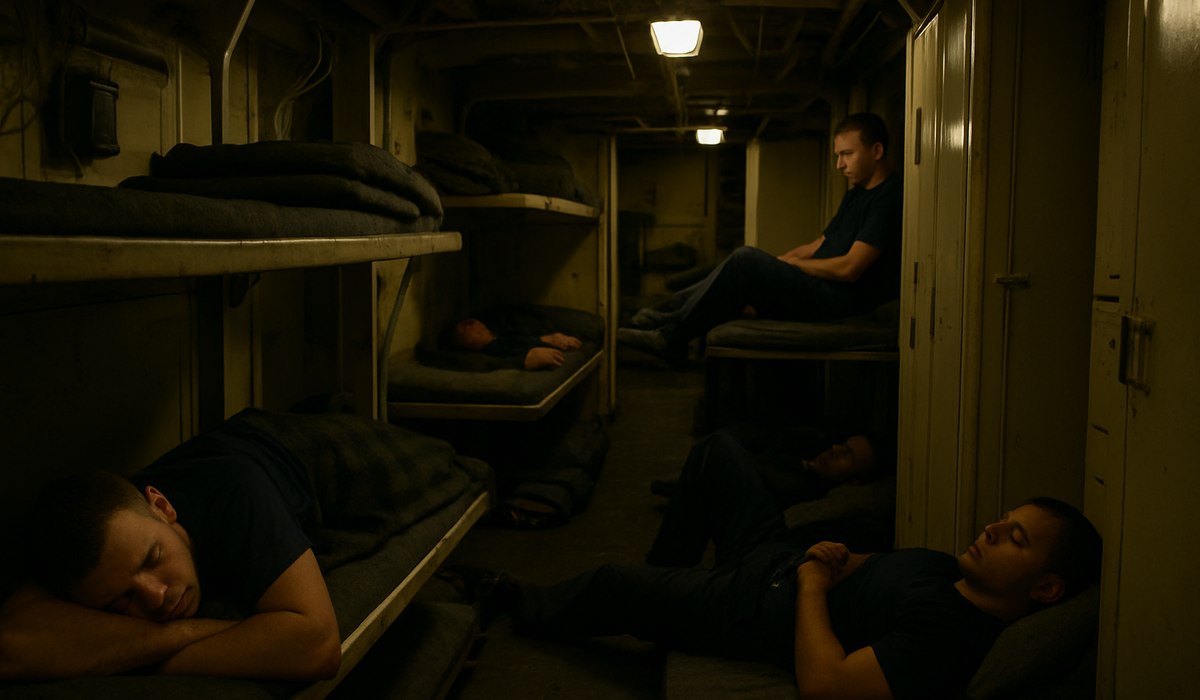
Image generated by AI
Unprecedented Hardship Aboard USS Gerald R. Ford During Extended Deployment
Sailors aboard the USS Gerald R. Ford are enduring extremely challenging living conditions after a catastrophic fire destroyed mattresses, forcing crew members to sleep on floors and tables throughout the ship. The Gerald Ford military deployment, which began in June 2025 from Norfolk, Virginia, has been extended to approximately 11 months—significantly longer than standard carrier operations. The situation highlights critical concerns about sailor wellbeing and operational sustainability within the U.S. Navy's newest and most advanced aircraft carrier platform.
The fire incident occurred in the aft laundry room, injuring three sailors and treating 200 additional crew members for smoke inhalation. Beyond the mattress destruction, the vessel has also experienced sewage system failures and persistent maintenance challenges. Chief of Naval Operations Admiral Daryl Caudle publicly expressed reservations about the extended deployment, warning that prolonged operations away from home significantly impact crew morale and retention.
Extreme Conditions at Sea: The Reality of Extended Naval Operations
The Gerald Ford military deployment represents one of the longest carrier missions in recent operational history. Crew members face a relentless operational tempo, with pilots executing briefing cycles, flight operations, and debriefing sessions that repeat continuously throughout deployment windows. Flight deck personnel work in hazardous conditions requiring exceptional skill, specialization, and physical endurance.
The combination of extended deployment duration and catastrophic equipment failure has created a perfect storm for sailor morale. When crew members cannot sleep properly due to destroyed mattresses, fatigue compounds existing stress from separation from family, limited personal space, and the inherent dangers of carrier operations. The psychological impact of missing significant life events—births, anniversaries, children's milestones—weighs heavily on sailors who signed contracts understanding deployment demands but not anticipating such extended separations.
The sewage system failures added another layer of degradation to living standards. When basic sanitation infrastructure fails aboard a vessel housing nearly 5,000 personnel, health and morale deteriorate rapidly. These conditions create cascading effects on crew readiness, operational effectiveness, and long-term retention within the naval service.
Extended Deployment Takes Toll on Morale and Operational Readiness
The Gerald Ford military deployment extension from standard 6-7 month cycles to 11 months represents a 50-70% increase in separation time. Admiral Daryl Caudle acknowledged this reality directly, stating that extensions generate "pushback from the CNO" and that "it is the extensions that bother" him most significantly. His comments reflected not operational capability concerns but rather sustainability questions about human factors in extended operations.
Sailors aboard modern aircraft carriers understand their commitment involves extended periods away from family. However, expectations built around historical deployment patterns become increasingly difficult when actual deployments significantly exceed those parameters. The uncertainty compounds psychological strain—crew members may have planned family activities, anticipated reunions, or committed to personal milestones based on original deployment timelines.
The operational demands of counter-narcotics missions in the Caribbean followed by potential Middle East operations—collectively labeled Operation Epic Fury—created compelling strategic reasons for the extension. Yet strategic necessity does not eliminate the human cost. Sailors performing 16-hour watches, managing complex aviation operations, and maintaining critical ship systems require adequate rest, proper nutrition, and psychological stability.
When basic comfort—sleeping on proper mattresses—becomes unavailable, command authority faces credibility questions. Officers and senior enlisted personnel must explain to exhausted sailors why their living conditions have deteriorated while explaining that operational demands require continued deployment extensions.
Navy Leadership Expresses Serious Concerns About Sustainability
Admiral Daryl Caudle's public statements revealed internal Navy reservations about the Gerald Ford military deployment extension strategy. Rather than offering rhetorical support for extended operations, the Chief of Naval Operations indicated he would actively explore alternative options to prevent future 11-month deployments from becoming routine practice.
Caudle's comments suggested that while the USS Gerald R. Ford possesses unique capabilities valuable for presidential-directed military operations, relying on continuous extensions of this single platform creates unsustainable strain on crew rotations, maintenance schedules, and personnel retention. Career sailors facing unexpected deployment extensions may choose to leave the Navy rather than accept recurring separations exceeding original commitments.
The Navy maintains multiple aircraft carrier strike groups within its fleet. Caudle's implicit message indicated preference for rotating carrier availability across multiple vessels rather than chronically over-extending individual platforms. This approach distributes operational demands more equitably, provides sailors more predictable deployment windows, and maintains fleet-wide readiness.
External operational demands placed by the Department of Defense required immediate response. The Middle East situation triggered Operation Epic Fury and forced Navy leadership's hand regarding the Gerald Ford military deployment extension. However, Caudle's cautionary statements suggested that establishing sustainable deployment policies moving forward should become a priority for naval strategy and personnel management.
Impact on Sailor Wellbeing and Service Member Health
The convergence of extended deployment, inadequate sleeping arrangements, and compromised ship infrastructure directly threatens sailor physical and mental wellbeing. Sleep deprivation among military personnel reduces cognitive function, impairs decision-making abilities, and increases accident risk in hazardous environments like aircraft carrier flight decks.
Sailors sleeping on floors or tables for extended periods develop chronic pain, susceptibility to illness, and psychological stress responses typically associated with substandard living conditions. When service members deployed to defend national interests experience degraded living standards, it sends contradictory messages about how the institution values their sacrifice and wellbeing.
The 200 sailors treated for smoke inhalation represent known medical incidents. However, unreported respiratory issues, psychological effects of the fire incident, and ongoing stress from disrupted living arrangements likely affect additional crew members. Long-term health impacts from extended deployment stress include increased rates of cardiovascular disease, hypertension, and mental health conditions including depression and anxiety.
Retention becomes increasingly problematic when sailors complete demanding 11-month deployments only to face prospects of similar extensions during future service. High-performing sailors with technical expertise and leadership potential often exit naval service to pursue civilian careers offering more predictable schedules and family stability. The Navy invests years training these personnel, making early separations costly from force development perspectives.
Key Data Table: Gerald Ford Deployment and Naval Deployment Comparisons
| Metric | Value | Context |
|---|---|---|
| Deployment Start Date | June 24, 2025 | Departure from Norfolk, Virginia homeport |
| Extended Deployment Length | 11 months | 50-70% longer than standard 6-7 month cycles |
| Sailors Affected by Fire | 200 treated for smoke inhalation | Aft laundry room fire incident |
| Direct Fire Injuries | 3 sailors injured | Immediate fire response injuries |
| Mattress Loss | Entire berthing supply destroyed | Resulted in floor/table sleeping arrangements |
| Aircraft Carrier Class | Gerald R. Ford-class | Newest U.S. Navy carrier design |
| Crew Complement | ~4,800-5,000 personnel | Approximate total aboard |
| CNO Statement on Extensions | Admiral Daryl Caudle expressed concern | Public opposition to extended deployment pattern |
| Secondary Mission | Operation Epic Fury (Middle East) | Reason cited for deployment extension |
| Historical Comparison (Vietnam) | USS Midway: 332 days | Extended deployments not unprecedented but increasingly rare |
| Battle Fleet Comparison | USS New Jersey (WWII): 14 months | Longest continuous cruise during World War II |
What This Means for Travelers: Military Family Impacts and Service Member Perspectives
Deployment extensions carry significant implications for military families and civilian communities hosting naval bases. When service members' return dates shift from anticipated timelines, families experience cascading complications affecting financial planning, childcare arrangements, educational decisions, and emotional preparation.
Here are actionable considerations for military families and those affected by the Gerald Ford military deployment situation:
- Adjust Financial Planning: Extended deployments delay paychecks and family reunion expenses. Families should rev
Disclaimer
This article is for informational and educational purposes only. It does not constitute legal, financial, or professional advice. While we strive to provide accurate and up-to-date information, travel policies, regulations, and conditions change rapidly. Always verify information with official sources before making travel decisions. Nomad Lawyer makes no representations about the accuracy, reliability, completeness, or suitability of the information provided. Readers should consult qualified professionals for advice specific to their circumstances. The views expressed in this article are those of the author and do not necessarily reflect the views of Nomad Lawyer.
Preeti Gunjan
Contributor & Community Manager
A passionate traveller and community builder. Preeti helps grow the Nomad Lawyer community, fostering engagement and bringing the reader experience to life.
Learn more about our team →