
Germany's €1.6B Fuel Relief Package: How Middle East Conflict Is Reshaping European Travel Costs in 2026
Germany launches historic €1.6B relief as Iran conflict drives oil prices to decade highs. €0.17/litre fuel tax cut, €1,000 employee bonus stabilize travel budgets across Europe.

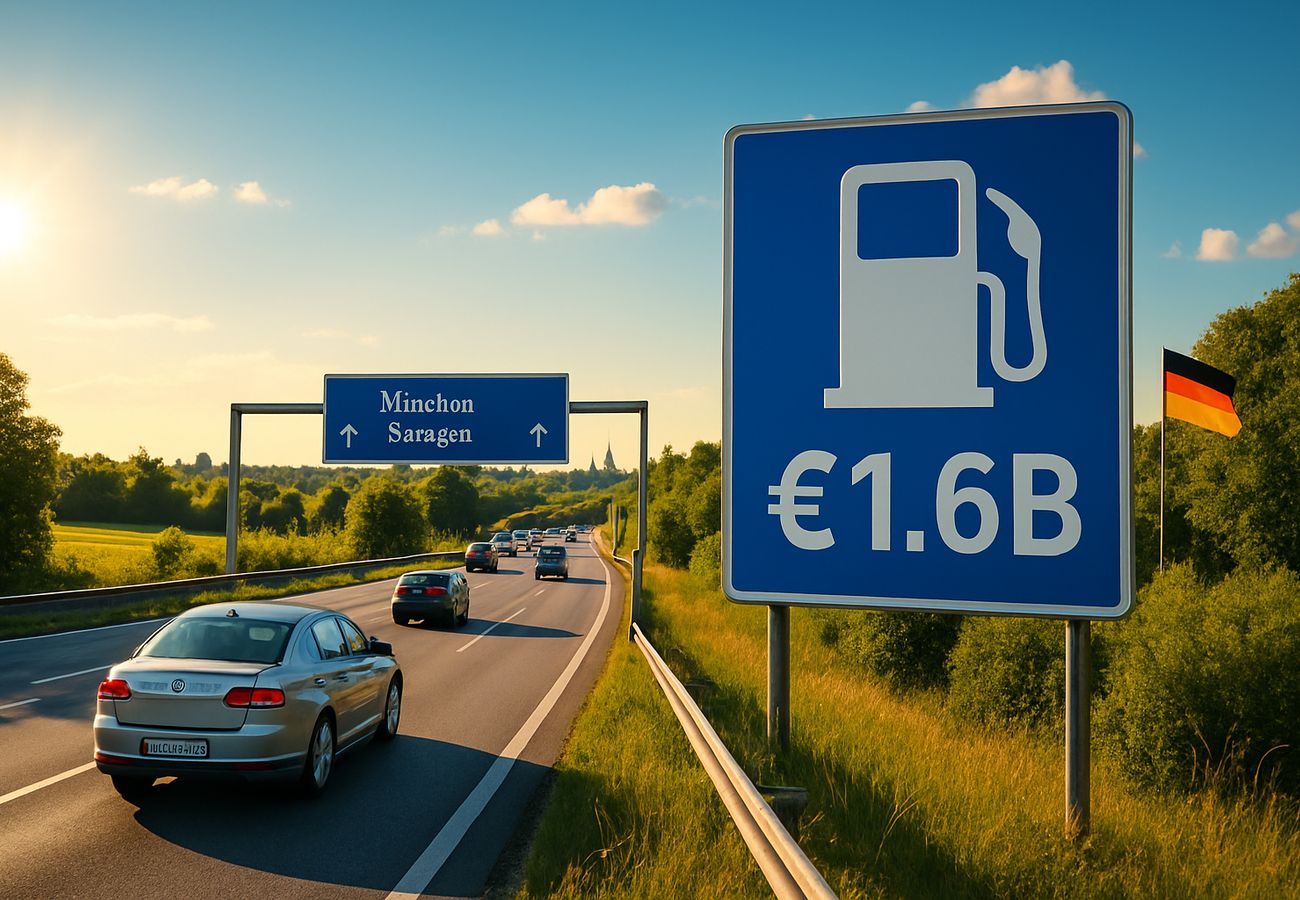
Image generated by AI
Germany has launched a historic €1.6 billion financial relief package to directly confront soaring fuel costs triggered by Middle East tensions, particularly disruptions linked to the Iran conflict and closures of vital energy export routes like the Strait of Hormuz. The intervention combines a temporary €0.17 per litre fuel tax cut for two months with a €1,000 tax-free employee bonus, marking Europe's most aggressive response yet to crude oil prices at levels not seen in years.
What Sparked This Move
The geopolitical shockwaves from the Iran conflict have severely disrupted global energy supplies, with major transport routes facing strategic closures and threats. The Strait of Hormuz, through which a large portion of world oil shipments transit, has faced unprecedented strain, pushing crude prices sharply upward and igniting fears of sustained inflation and supply shortages across Asia, Europe, and North America.
Germany, as one of Europe's largest consumers of imported energy, has been particularly vulnerable. Rising fuel prices ripple through business logistics, agricultural costs, and transportation networks, compounding inflationary pressures already present in the economy. This energy shock directly impacts travelers—from rental car expenses to airline fuel surcharges—making the government intervention a critical stabilizing force for both consumers and the travel industry.
Global Impact at a Glance
| Relief Measure | Amount | Duration | Beneficiaries |
|---|---|---|---|
| Fuel tax cut (petrol & diesel) | €0.17 per litre | 2 months | All drivers, transport operators |
| Tax-free employee bonus | €1,000 per worker | One-time | German workforce |
| Total relief package | €1.6 billion | Immediate | Households, businesses, travel sector |
| Oil price context | Decade-high levels | Ongoing | Global markets |
The relief targets everyday motorists, professional drivers, long-distance commuters, and transport companies—all critical to the travel ecosystem. Freight operators and logistics firms will see immediate operational cost relief, which typically translates into lower airfare fuel surcharges and rental car pricing across European markets.
What Travelers Get
- €0.17 per litre fuel tax reduction on all petrol and diesel purchases for exactly two months, lowering the cost of rental car travel and domestic road trips across Germany and neighboring EU countries.
- €1,000 tax-free bonus per employee, exempt from payroll and social security taxes, providing direct household purchasing power for travel and leisure spending during peak European travel season.
- Stabilized airline fuel costs: Lower domestic fuel expenses reduce pressure on carriers' fuel surcharges, benefiting economy and premium cabin passengers on European routes.
- Protected transport logistics: Freight cost reductions prevent cascading price increases on hotel supplies, food, and ground services at major tourism destinations.
- Regional spillover effect: EU single market dynamics mean German price stabilization influences fuel costs across neighboring countries, benefiting cross-border travelers and tour operators.
What This Means for Travelers
Book your European road trips and rental car journeys now—the two-month window of reduced fuel costs (€0.17 per litre savings) makes this an optimal period for budget-conscious overland travel through Germany and connected EU markets. Monitor airline fuel surcharges on transatlantic and intra-European flights; carriers typically adjust pricing within 4-6 weeks of fuel market stabilization, so expect gradual relief on bookings made after mid-May 2026. If you're planning summer holidays, the €1,000 employee bonus injection into German household budgets will likely boost demand for Mediterranean and Alpine destinations, so secure accommodations early to avoid peak-season price spikes. Consider travel insurance that covers fuel surcharge refunds, as geopolitical volatility in the Strait of Hormuz remains an ongoing risk factor for future price swings.
FAQ: Germany Fuel Relief Package 2026
Q: How long does the €0.17 per litre fuel tax cut last? A: Exactly two months from the announcement date. The temporary reduction applies to both petrol and diesel at all German filling stations and is financed directly by the state as part of the €1.6 billion relief mechanism.
Q: Will the fuel tax cut affect airline ticket prices immediately? A: Not immediately. Airlines typically adjust fuel surcharges within 4-6 weeks of sustained market changes. Watch for gradual reductions on bookings made after mid-May 2026 as carriers recalibrate pricing models.
Q: Does the €1,000 employee bonus apply to non-German workers? A: The bonus is authorized for employers to distribute to employees in Germany. Eligibility depends on employment status and tax residency; verify with your employer or German tax authority for specific qualification criteria.
Related Travel Guides
Disclaimer
This article is for informational and educational purposes only. It does not constitute legal, financial, or professional advice. While we strive to provide accurate and up-to-date information, travel policies, regulations, and conditions change rapidly. Always verify information with official sources before making travel decisions. Nomad Lawyer makes no representations about the accuracy, reliability, completeness, or suitability of the information provided. Readers should consult qualified professionals for advice specific to their circumstances. The views expressed in this article are those of the author and do not necessarily reflect the views of Nomad Lawyer.
Kunal K Choudhary
Co-Founder & Contributor
A passionate traveller and tech enthusiast. Kunal contributes to the vision and growth of Nomad Lawyer, bringing fresh perspectives and driving the community forward.
Learn more about our team →