
Georgia Leads Long-Stay Tourism Shift as Global Visitors Opt for Extended 2026 Holiday Experiences
Georgia is spearheading a global revolution in long-stay tourism, offering one-year visa flexibility as travellers move away from short vacations toward immersive, slow-travel experiences across Europe and Asia.

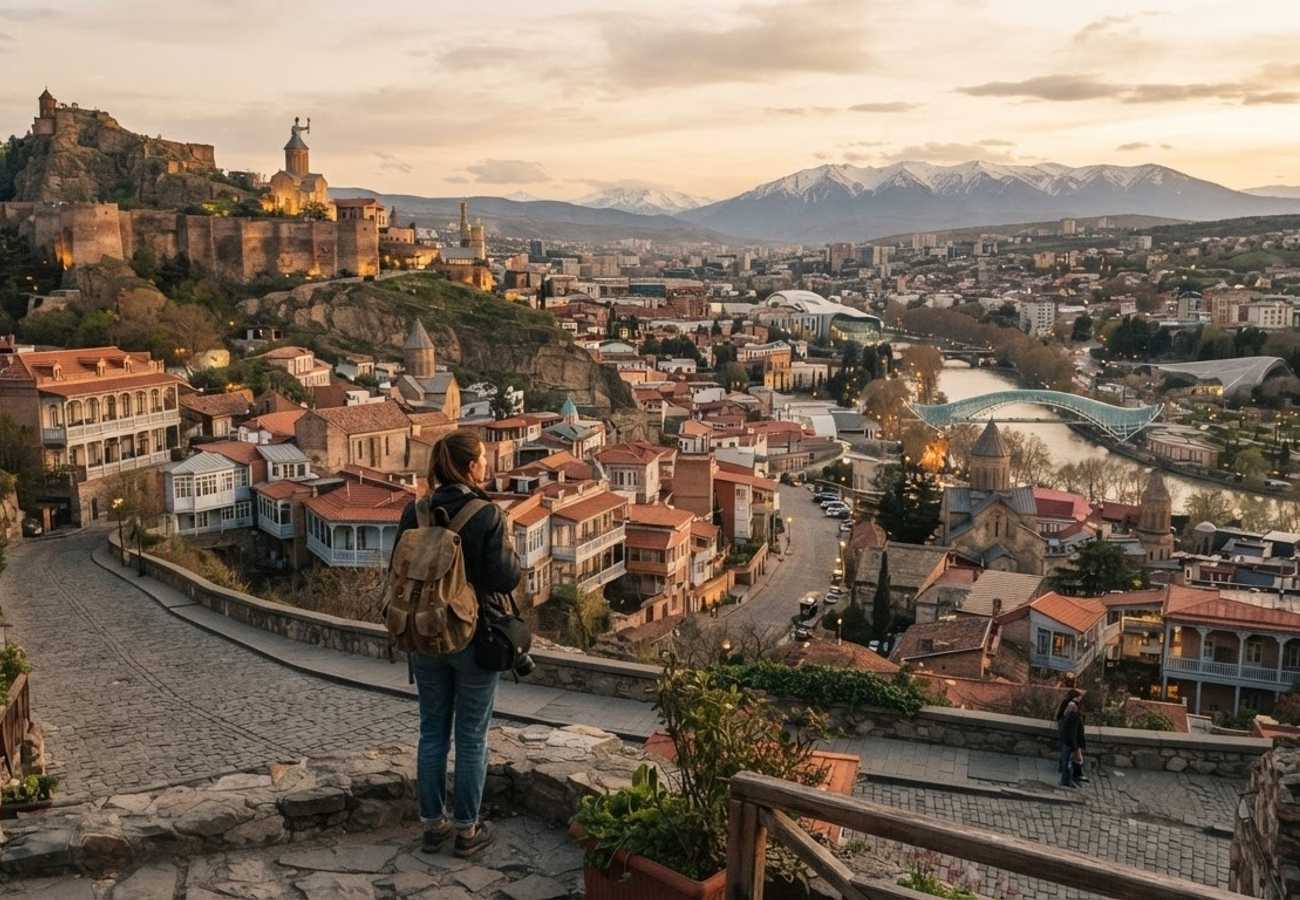
Image generated by AI
A fundamental shift in global travel behavior is underway as international visitors abandon rushed itineraries in favor of extended stays, with Georgia emerging as a primary hub for this "slow tourism" movement. By implementing highly flexible visitor policies, several nations are now competing to attract travelers who prioritize deep cultural immersion over traditional sightseeing.
The transition toward long-duration visits is not merely a preference for longer holidays but a systemic change in how people interact with foreign environments. Modern travelers are increasingly seeking "authentic" connections with local communities, a trend accelerated by the rise of remote work and a global desire for mental decompression. This shift provides a significant economic windfall for host nations, as extended visitors typically spend more on local housing, dining, and regional services than short-term tourists.
Georgia Establishes Dominance in Extended Visitor Flexibility
Georgia has positioned itself as a global leader in the long-stay sector by offering some of the most liberal visa policies in the world. Eligible international visitors can remain within the country for up to one year, a move that has made it a magnet for those seeking a home base between Europe and Asia.
The appeal of Georgia extends beyond its legislative flexibility. Travelers are drawn to the stark contrasts of the landscape, from the historic, winding streets of Tbilisi to the dramatic peaks of the Caucasus Mountains. The Kakheti region remains a primary draw for those interested in ancient viticulture, while the Black Sea coast offers a Mediterranean-style retreat.
By allowing stays of up to 12 months, Georgia enables visitors to venture far beyond the primary tourist corridors. This allows for the exploration of rural villages and the preservation of local traditions that are often invisible to those on a seven-day itinerary. The combination of low living costs and a culture of hospitality has solidified Georgia's status as a premier destination for the long-term traveler.
United Kingdom Maintains Appeal Through Six-Month Access
Despite the rise of emerging markets, the United Kingdom continues to leverage its cultural capital to attract long-term visitors. Under the standard visitor visa framework, eligible travelers are generally permitted to stay for up to six months.
This window allows for a comprehensive exploration of the UK's diverse geography. Rather than spending a few days in London, extended visitors can distribute their time across the rugged highlands of Scotland, the coastal vistas of Wales, and the pastoral landscapes of the English countryside.
Industry data suggests that these longer durations benefit regional economies specifically. When visitors stay for several months, they are more likely to frequent smaller towns and lesser-known heritage sites, reducing the pressure on overcrowded urban centers and spreading tourism revenue to rural communities.
Canada Leverages Vast Geography for Extended Exploration
Canada's sheer scale makes it a natural fit for the long-stay trend. With standard visitor entries typically allowing for stays of up to six months, the country attracts those who wish to traverse multiple time zones and ecosystems without the stress of constant transit.
Long-term visitors often utilize this time to combine diverse experiences, such as trekking through the Rocky Mountains, exploring the multicultural hubs of Toronto and Montreal, and experiencing the coastal atmosphere of Vancouver. The ability to spend weeks in a single province allows for a deeper understanding of Canada's multicultural fabric and indigenous heritage.
Beyond the metropolitan centers, Canada’s smaller communities are seeing increased engagement from these visitors, who often participate in local outdoor activities and regional traditions that short-term tourists typically bypass.
Mexico Enhances Immersive Travel via 180-Day Stays
Mexico remains a powerhouse in the long-stay market, utilizing its diverse cultural and geographical offerings to keep visitors longer. Under current visitor arrangements, eligible tourists can stay for up to 180 days.
This extended timeframe transforms a typical beach holiday into an immersive cultural journey. Travelers are moving beyond the all-inclusive resorts of Cancun and the Riviera Maya to spend significant time in Mexico City, Oaxaca, and the Yucatan Peninsula.
The 180-day window is particularly beneficial for those exploring Mexico's archaeological depth and culinary diversity. From colonial architecture to ancient Mayan ruins, the ability to travel slowly allows visitors to engage with the country's history and festivals in a way that is impossible during a standard two-week trip.
Economic and Environmental Impacts of Slow Tourism
The rise of long-stay travel is inextricably linked to the "slow tourism" philosophy. This movement rejects the "checklist" approach to travel, where the goal is to visit as many landmarks as possible in the shortest time. Instead, it emphasizes quality of engagement and sustainable interaction.
From an economic perspective, the benefits are clear:
- Increased Local Spend: Long-term guests utilize local laundromats, grocery stores, and neighborhood cafes rather than tourist-centric hubs.
- Sustainable Growth: By staying in one place longer, travelers reduce their carbon footprint associated with frequent short-haul flights and internal transfers.
- Community Support: Rural tourism operators and community-based experiences see a steadier stream of income throughout the year, rather than seasonal spikes.
Mandatory Compliance for Long-Term International Visitors
While destinations are becoming more welcoming, the legal requirements for extended stays remain rigorous. Travelers must navigate specific immigration laws to avoid overstaying, which can lead to deportation or future entry bans.
Across the aforementioned regions, the following documentation is typically required for extended stays:
| Requirement | Purpose | Note |
|---|---|---|
| Valid Passport | Identity Verification | Must usually be valid for 6 months beyond stay |
| Proof of Funds | Financial Solvency | Bank statements to prove ability to support oneself |
| Accommodation Proof | Residential Status | Hotel bookings or rental agreements |
| Health Insurance | Emergency Coverage | Comprehensive international medical insurance |
| Onward Travel | Exit Strategy | Confirmed flight or ticket out of the country |
Travelers are strongly advised to consult official government portals, as visa policies can shift rapidly based on diplomatic relations or national security updates.
The Evolution of Global Tourism Patterns
The growth of long-stay travel is a symptom of a broader societal shift. The decoupling of work from a fixed location has empowered a new class of "location-independent" professionals. When combined with a growing psychological preference for "slow living," the result is a tourism model based on residency rather than visitation.
Countries that can successfully balance open-border policies with infrastructure that supports long-term residents—such as high-speed internet and affordable healthcare—will likely dominate the tourism landscape over the next decade.
The era of the two-week vacation is fading, replaced by a world where the destination becomes a temporary home.
Related Travel Guides
Disclaimer
This article is for informational and educational purposes only. It does not constitute legal, financial, or professional advice. While we strive to provide accurate and up-to-date information, travel policies, regulations, and conditions change rapidly. Always verify information with official sources before making travel decisions. Nomad Lawyer makes no representations about the accuracy, reliability, completeness, or suitability of the information provided. Readers should consult qualified professionals for advice specific to their circumstances. The views expressed in this article are those of the author and do not necessarily reflect the views of Nomad Lawyer.
Raushan Kumar
Founder & Lead Developer
Full-stack developer with 11+ years of experience and a passionate traveller. Raushan built Nomad Lawyer from the ground up with a vision to create the best travel and law experience on the web.
Learn more about our team →