
Gujarat Launches Asia's First Desert Night Safari in Deesa with ₹542.14 Crore Investment in 2026
Gujarat is transforming the Banaskantha district with a massive 103-hectare desert-themed drive-through night safari and zoological park, marking a first for Asia.

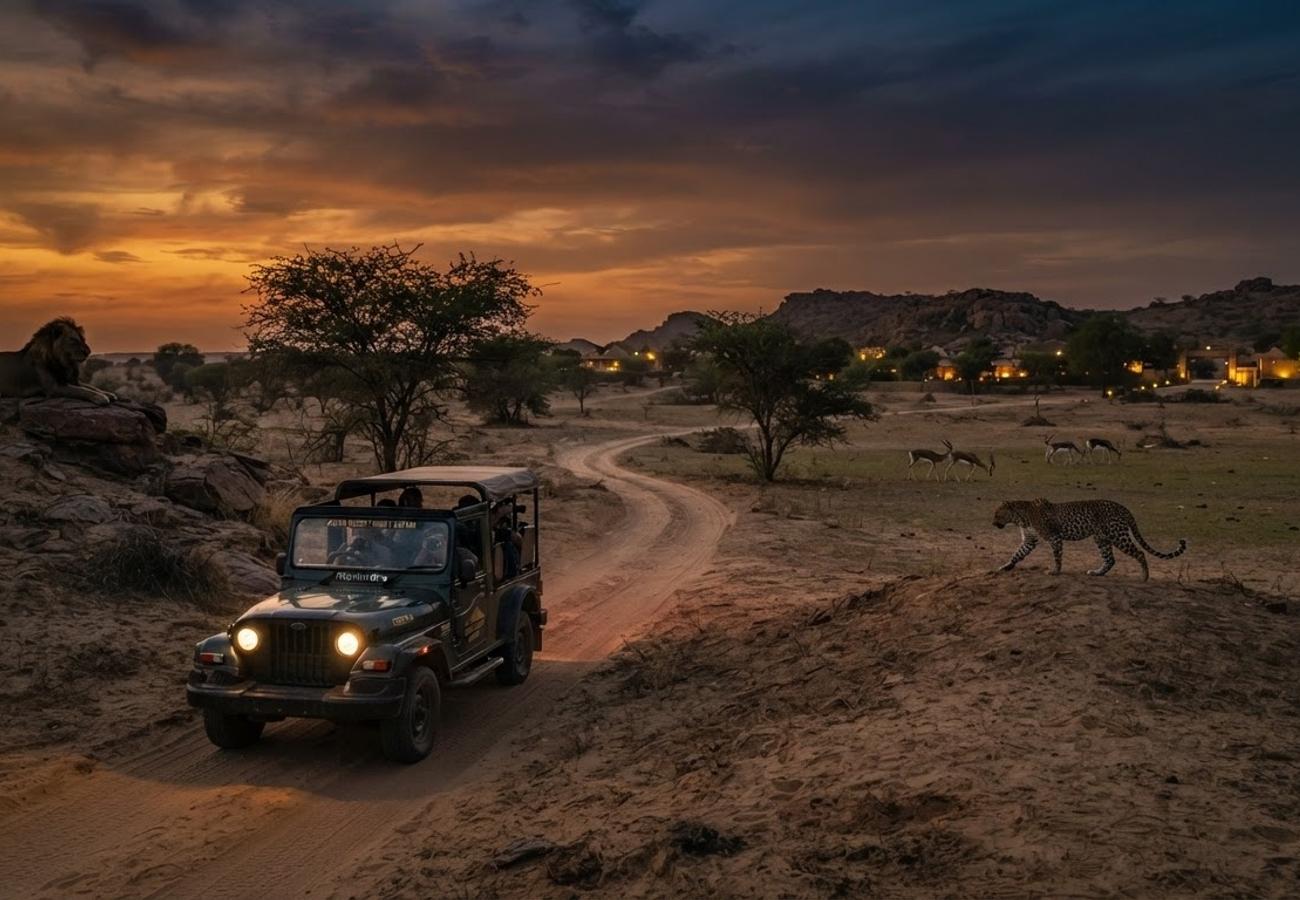
Image generated by AI
A ₹542.14 crore investment is turning Deesa into a global wildlife hub, introducing Asia's first desert-themed drive-through night safari across 103 hectares of government land.
The Shift Toward Immersive Nocturnal Tourism
Gujarat is pivoting its tourism strategy from traditional wildlife observation to immersive, time-shifted experiences. With official approval from the Central Zoo Authority (CZA), the Gujarat Forest Department is developing the Desert Zoological Park and Night Safari in the Banaskantha district. This project moves away from the static cages of conventional zoos, opting instead for a drive-through format that allows visitors to witness animal behaviors that only emerge after sunset.
The scale of the project is significant, designed to house approximately 2,700 animals and birds representing nearly 83 species. By focusing on the arid ecosystem, the park creates a specialized environment that mirrors the natural habitats of the region while introducing global desert fauna.
A Global Biodiversity Hub in the Banaskantha District
The park is structured to balance native Indian heritage with international appeal. For the visitor, the real impact is the ability to see rare desert-adapted species in a single location. The animal roster is split between regional staples and exotic imports to ensure a diverse educational experience.
Native and International Species Distribution
| Category | Featured Species |
|---|---|
| Indian Native | Asiatic lion, Leopard, Indian wild ass, Chinkara, Blackbuck, Indian caracal, Indian wolf, Striped hyena, Sloth bear, Indian desert fox |
| African Exotic | African cheetah, African lion, Angolan giraffe, Springbok, Ostrich |
| Australian Exotic | Kangaroo, Emu, Wallaby |
Beyond the primary safari, the facility is integrating several specialized biomes to provide a comprehensive ecological education. These include a rainforest biome, a dedicated reptile safari, an aviary, a butterfly park, and a professional aquarium. To maintain high welfare standards, the park maintains a strict physical separation between herbivore and carnivore zones.
Cultural and Environmental Value
This project is not merely a tourist attraction but a strategic move by the Gujarat Forest Department to enhance regional conservation. By establishing a center for rescue and rehabilitation, the park provides a safety net for injured wildlife and a controlled environment for conservation breeding programs.
The drive-through night safari, consisting of five separate enclosures, is designed to minimize human-animal conflict while maximizing observer visibility. This approach encourages a deeper understanding of nocturnal biodiversity—a segment of nature often ignored in daytime tourism. The integration of an interpretation center ensures that the visit translates into environmental literacy, particularly for student groups and young travelers.
Visitor Insider Tips
For those planning to visit Deesa once the facility is fully operational, keep these local insights in mind:
- The Golden Window: Aim for the "twilight transition" slot. Entering the park just before sunset allows you to witness the shift in animal activity as diurnal species settle and nocturnal hunters emerge.
- Local Etiquette: When utilizing the drive-through safari, keep windows rolled up and noise levels low. Desert animals are hypersensitive to sound; silence increases the likelihood of sightings.
- Dining Specialty: While the park offers a food court, explore the local Deesa markets for traditional Gujarati thalis and khichdi to experience the authentic flavors of the Banaskantha region.
- Gear Up: Even in the desert, temperatures drop sharply after dark. Bring a light jacket and high-quality binoculars, as the night safari relies on specialized low-impact lighting that may leave some areas dim.
Tourism Outlook
The Deesa project is set to diversify Gujarat's wildlife portfolio, reducing the seasonal pressure on existing national parks and sanctuaries. By creating a year-round attraction that appeals to international wildlife enthusiasts, the state is positioning itself as a leader in specialized zoological tourism. The long-term success of the park will likely drive infrastructure growth in the Banaskantha district, benefiting local hospitality providers and guides.
A bold leap into the dark that brings the secrets of the desert into the light.
Related Travel Guides
Disclaimer
This article is for informational and educational purposes only. It does not constitute legal, financial, or professional advice. While we strive to provide accurate and up-to-date information, travel policies, regulations, and conditions change rapidly. Always verify information with official sources before making travel decisions. Nomad Lawyer makes no representations about the accuracy, reliability, completeness, or suitability of the information provided. Readers should consult qualified professionals for advice specific to their circumstances. The views expressed in this article are those of the author and do not necessarily reflect the views of Nomad Lawyer.
Raushan Kumar
Founder & Lead Developer
Full-stack developer with 11+ years of experience and a passionate traveller. Raushan built Nomad Lawyer from the ground up with a vision to create the best travel and law experience on the web.
Learn more about our team →