
Gaya Citizen Forum Pushes Strategic Tourism Growth Plan for 2026
The Bodh Gaya Citizen Forum urges state officials to implement comprehensive tourism development measures targeting spiritual and medical travelers globally in 2026.

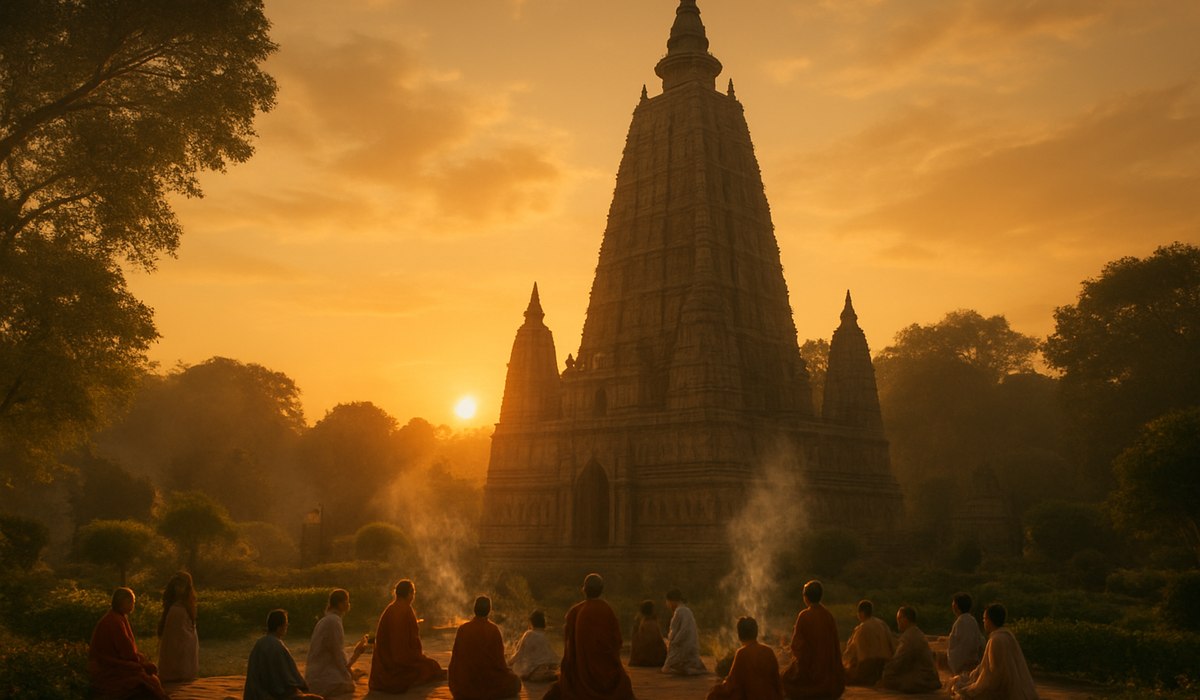
Image generated by AI
Bodh Gaya Citizen Forum Launches Ambitious Tourism Transformation Initiative
The Bodh Gaya Citizen Forum has formally petitioned state authorities with a comprehensive development strategy designed to position the sacred region as a premier international spiritual and medical tourism destination. Submitted through official memorandum channels, the forum's proposals address critical infrastructure gaps and outline pathways to attract high-value visitors from global markets. This initiative responds to growing recognition of Bodh Gaya's untapped potential as a convergence point for wellness tourism and religious pilgrimage seekers worldwide.
The timing proves strategic as 2026 sees increased post-pandemic interest in transformative travel experiences. Officials acknowledge the forum's data-driven recommendations for long-term regional planning, signaling potential government action on recommended infrastructure upgrades and connectivity improvements.
Forum's Vision for Establishing a Global Tourism Hub
The Bodh Gaya Citizen Forum envisions comprehensive regional positioning that leverages the area's Buddhist heritage, spiritual significance, and emerging medical tourism services. Their strategic framework emphasizes attracting visitors seeking holistic wellness experiences alongside religious education and cultural immersion. The forum suggests measures aligned with India's broader medical tourism expansion, where specialists estimate annual growth rates exceeding 15 percent through 2026.
According to the forum's assessment, strategic positioning could triple international visitor volumes within five years. Their recommendations focus on differentiating Bodh Gaya from competing destinations through integrated spiritual-medical tourism packages. This approach acknowledges rising global demand for destinations combining authentic spiritual experiences with accessible healthcare and wellness services. The citizen-led initiative demonstrates grassroots recognition of untapped economic opportunity and cultural preservation potential.
Key Infrastructure Development Proposals Under Consideration
The forum's memorandum outlines four cornerstone infrastructure improvements requiring immediate government attention. Expanding the Mahavihara complex addresses current capacity constraints limiting visitor access to primary Buddhist pilgrimage sites. Current structures accommodate limited daily visitors, creating bottlenecks during peak seasons and reducing revenue potential.
Riverfront access improvement initiatives target the Phalgu River corridor, proposing pedestrian pathways, meditation spaces, and cultural interpretation centers. These additions would transform the waterfront into a visitor experience hub while preserving ecological integrity. Enhanced road connectivity represents perhaps the most critical proposal, addressing transportation barriers preventing day-trippers and international arrivals from convenient access. Existing highway routes contain bottlenecks near Gaya city center, creating inefficient routing for buses and private vehicles.
The forum additionally suggests measures for improved airport connectivity through expanded flights from Gaya International Airport to major metros and international hubs. Strengthened rail infrastructure via dedicated tourism trains from New Delhi and other key cities would increase accessibility significantly. These infrastructure measures directly support medical tourism growth, as international patients require comfortable, reliable transportation.
Spiritual and Medical Tourism Potential: Market Opportunity Assessment
Bodh Gaya's spiritual tourism foundation rests on its status as Siddhartha Gautama's enlightenment site, attracting Buddhist practitioners and cultural researchers globally. Current annual visitors exceed 2 million, though most remain domestic pilgrims with lower spending profiles. International visitor segments—particularly from East Asia, Western Europe, and North America—demonstrate significantly higher expenditure patterns and extended stay durations.
The emerging medical tourism vector presents substantial opportunity. India ranks among top three global medical tourism destinations, with Ayurvedic wellness and modern healthcare attracting international patients. Bodh Gaya's location offers potential as a recovery and wellness destination post-procedure, combining therapeutic treatments with spiritual healing frameworks appealing to international patients.
The forum suggests measures specifically targeting integration of these market segments. Multi-week wellness retreats combining Ayurvedic treatments, Buddhist meditation instruction, and cultural tourism could command premium pricing. International medical tourism market research indicates annual growth of 25 percent in Asia-Pacific regions, with wellness-integrated packages representing the fastest-expanding category.
Government Response and Implementation Timeline Framework
State tourism authorities have acknowledged receipt of the Bodh Gaya Citizen Forum's memorandum with expressed commitment to reviewing recommendations. Government officials indicated preliminary planning stages for infrastructure feasibility studies, particularly regarding transportation connectivity and riverfront development. Implementation timelines remain tentative pending budget allocation and environmental clearance processes.
Early indicators suggest government receptiveness, attributed partly to successful tourism development models in comparable Buddhist pilgrimage destinations. Thailand's Chiang Mai and Cambodia's Siem Reap demonstrate replicable frameworks for integrating spiritual tourism with infrastructure modernization. State officials reportedly commissioned preliminary consultant assessments for the Mahavihara complex expansion and river corridor projects.
Funding mechanisms remain under consideration, potentially incorporating public-private partnerships and dedicated tourism development bonds. The forum's evidence-based recommendations and grassroots support strengthen advocacy for government budget prioritization. Officials projected potential announcement of implementation priorities within subsequent fiscal years, though specific timelines remain undisclosed pending approval processes.
Strategic Market Positioning and Competitive Differentiation
The Bodh Gaya Citizen Forum's approach emphasizes distinctive positioning against competing Buddhist heritage destinations throughout Asia. While Kathmandu, Lumbini, and Angkor Wat attract substantial international tourism, Bodh Gaya's direct enlightenment connection remains unmatched in Buddhist cosmology. Strategic messaging around this authenticity, combined with India's established medical tourism infrastructure, creates compelling differentiation potential.
The forum suggests measures for digital marketing campaigns targeting affluent wellness-focused demographics in developed markets. Contemporary travel research indicates wellness tourists spend 23 percent above average leisure tourists, with spiritual experiences commanding premium pricing. Integrated destination marketing—positioning Bodh Gaya as simultaneously authentic pilgrimage site and premier wellness retreat—appeals to this lucrative demographic.
Partnership development with international yoga and wellness platforms, Buddhist organizations, and medical tourism facilitators represents proposed marketing pathways. Social media strategies emphasizing experiential storytelling from existing visitors could generate organic awareness among target demographic segments. The citizen forum recognizes that sustainable tourism growth requires intentional positioning and sophisticated market communication.
| Development Metric | Current Status | Proposed Target | Timeline | Impact Potential |
|---|---|---|---|---|
| Annual International Visitors | 380,000 | 1.2 million | 5 years | 215% growth |
| Average Daily Visitor Capacity | 8,500 | 22,000 | 3-4 years | Infrastructure expansion |
| Hotel Room Inventory | 2,100 | 5,500 | 5 years | Premium accommodation development |
| Medical Tourism Arrivals | 1,200 annually | 18,000 annually | 4 years | Wellness integration |
| Average Visitor Spending (International) | $620 | $1,840 | Ongoing | Revenue optimization |
| Direct Employment Generation | 8,400 jobs | 22,000 jobs | 5 years | Economic multiplier effect |
What This Means for Travelers: Actionable Implications for 2026 and Beyond
The Bodh Gaya Citizen Forum's strategic initiatives promise meaningful improvements for international visitors within the medium term. Here's what prospective travelers should anticipate:
-
Enhanced Accessibility: Improving transportation infrastructure means easier arrival and navigation within 18-24 months, reducing travel friction significantly.
-
Expanded Accommodation: New hotel development will provide greater choice across budget categories, potentially stabilizing pricing pressures that currently affect budget travelers.
-
Integrated Wellness Packages: Medical tourism integration enables travelers to combine spiritual experiences with Ayurvedic treatments and wellness services through curated packages.
-
Improved Infrastructure: Enhanced riverfront and temple complex expansion provide better visitor management and more authentic pilgrimage experiences.
-
Better Connectivity: Proposed airport and rail improvements will reduce travel time from international gateways by 3-4 hours, making visits more convenient for multi-destination itineraries.
-
Longer Stay Potential: Infrastructure improvements support extended stays, encouraging travelers to experience the destination beyond standard religious pilgrimage visits.
Travelers planning visits in 2026-2027 should anticipate construction-phase congestion but gain from projects completing near
Disclaimer
This article is for informational and educational purposes only. It does not constitute legal, financial, or professional advice. While we strive to provide accurate and up-to-date information, travel policies, regulations, and conditions change rapidly. Always verify information with official sources before making travel decisions. Nomad Lawyer makes no representations about the accuracy, reliability, completeness, or suitability of the information provided. Readers should consult qualified professionals for advice specific to their circumstances. The views expressed in this article are those of the author and do not necessarily reflect the views of Nomad Lawyer.
Raushan Kumar
Founder & Lead Developer
Full-stack developer with 11+ years of experience and a passionate traveller. Raushan built Nomad Lawyer from the ground up with a vision to create the best travel and law experience on the web.
Learn more about our team →