
Gas Prices Iran War Impact: $4 Per Gallon Threshold Breached in 2026
U.S. gas prices surpassed $4 per gallon for the first time since 2022 in March 2026, driven by escalating Iran-Trump tensions disrupting global oil supplies and threatening economic stability for travelers and consumers.

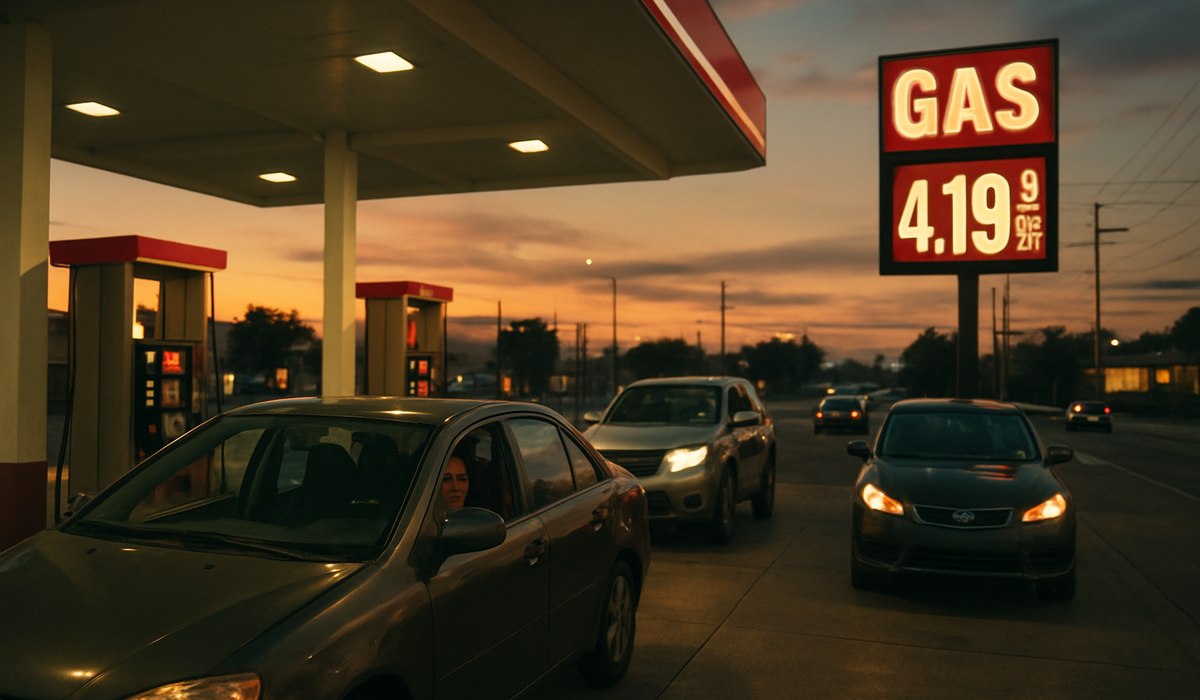
Image generated by AI
National Gas Prices Breach $4 Per Gallon as Iran Conflict Escalates
The United States is experiencing its first sustained breach of the $4 per gallon gas price threshold since Russia's 2022 invasion of Ukraine. As of March 31, 2026, the national average gasoline price reached $4.02 per gallon according to AAA data, marking a dramatic $1.04 spike from February's pre-conflict average of $2.97 per gallon. The escalating tension between the Trump Administration and Iran over the past month has created unprecedented disruptions to global oil supplies, threatening both consumer wallets and broader economic stability during critical spring travel season.
What's Driving the $4 Per Gallon Threshold Breach
The primary catalyst behind elevated gas prices iran war impact stems from geopolitical uncertainty rather than any single supply disruption event. Global crude oil markets have reacted sharply to military tensions in the Middle East, with traders pricing in potential supply chain interruptions weeks or months in advance. Oil prices themselves have climbed substantially, and this upstream pressure flows directly to retail pump prices with a typical lag of one to three weeks.
Patrick De Haan, head of petroleum analysis at GasBuddy, describes the $4 per gallon mark as breaching a critical psychological threshold in consumer consciousness. When visible everyday expenses like gasoline spike suddenly, economic sentiment deteriorates rapidly regardless of broader GDP figures. Energy economists note that gasoline remains the single most visible price point in the American economy, affecting purchasing behavior across all demographic groups instantaneously.
The conflict began February 28, 2026, and has persisted through March without meaningful resolution despite preliminary negotiations. Spring break travel demand has compounded price pressures, as millions of Americans plan road trips and vacation flights precisely when fuel costs are rising. Regional variations matter significantly—California's March 31 average of $5.87 per gallon reflects state-specific fuel blending requirements, limited refining infrastructure, and higher fuel taxes that create supply bottlenecks.
The Strait of Hormuz Supply Chain Risk
Approximately 20 percent of global petroleum supply transits through the Strait of Hormuz, a narrow waterway between Iran and Oman that represents one of Earth's most critical energy chokepoints. Any sustained military action or blockade in this region would immediately restrict oil exports serving European, Asian, and American refineries. Markets anticipate this possibility before it materializes, driving preemptive price increases across global crude benchmarks.
Diesel prices have surged even more dramatically than gasoline, reaching $5.45 per gallon by late March—representing a 45 percent increase since the conflict's onset. Diesel fuels transportation, shipping, construction, and agricultural operations, meaning downstream price impacts cascade through entire supply chains within weeks. Chief economist Joe Brusuelas at RSM US estimates that a 10 percent diesel price increase pushes headline consumer price indices up approximately 0.1 percent, contributing to inflation pressures that policymakers fear could trigger recession conditions.
The Strategic Petroleum Reserve release authorized by the Trump Administration—172 million barrels over 120 days—provides limited near-term relief. Petroleum economists calculate that meaningful SPR releases typically require six to eight weeks to reach consumer markets, meaning March price spikes reflect pre-emptive market positioning rather than actual supply shortages.
Broader Economic Implications Beyond Gas
Energy sector volatility threatens economic stability across multiple dimensions simultaneously. Transportation costs for goods increase immediately, food production and agricultural shipping become more expensive, and airline fuel surcharges rise as carriers adjust operational budgets. These compounding pressures move the United States closer toward recession conditions characterized by simultaneous inflation and economic contraction.
Consumer psychology shifts noticeably when gasoline approaches and exceeds $4 per gallon. Purchasing power decreases for discretionary travel, entertainment, and dining, as families redirect budgets toward essential transportation. This demand destruction filters through hospitality, tourism, and service industry employment, potentially triggering broader labor market weakness.
Federal policymakers face constrained policy options. The Jones Act waiver allowing foreign-flagged vessels temporary access to American ports reduces shipping costs incrementally. Authorization for higher-ethanol fuel blends normally prohibited during summer months provides modest volumetric relief. Yet none of these measures addresses the fundamental supply uncertainty emanating from geopolitical tension, which market participants will continue pricing into crude oil benchmarks until tensions demonstrably decrease.
What Travelers Should Expect Next
Petroleum analysts forecast continued upward pressure on pump prices through spring 2026. Supply chain economists warn that even if military tensions stabilize, market participants typically maintain elevated price premiums for 30-60 days following crisis resolution. Phil Flynn, senior market analyst at Price Futures Group, notes that crude oil price movements historically reach retail pumps with a two-to-four week lag, meaning current market positioning suggests prices may climb further before stabilizing.
Different forecast scenarios estimate varying impacts. Mizuho Securities' commodity specialists calculate that every $10-per-barrel crude oil price increment translates to 10-15 cent per-gallon increases at retail. BloombergNEF modeling suggests the same crude increase amid escalating tensions could produce 30-40 cent per-gallon retail increases, reflecting market uncertainty premiums and supply chain anxiety. The range between these estimates illustrates analyst uncertainty about potential conflict intensity and duration.
Coastal regions and island destinations accessible primarily by airline face compounded challenges. Jet fuel surcharges will increase airline ticket prices, potentially reducing leisure travel demand and affecting seasonal employment in tourism-dependent economies. Road-trip vacations within driving range may become more appealing to price-conscious consumers, shifting travel patterns significantly compared to historical seasonal norms.
Key Data Points: March 2026 Gas Prices
| Metric | Value | Context |
|---|---|---|
| National Average (March 31) | $4.02/gallon | First time since 2022 |
| Month-over-month increase | $1.04/gallon | 35% increase in 30 days |
| February baseline | $2.97/gallon | Pre-conflict price |
| California average | $5.87/gallon | 46% higher than national |
| Diesel price | $5.45/gallon | 45% increase since Feb 28 |
| Strait of Hormuz oil percentage | ~20% global supply | Critical chokepoint |
| Strategic Reserve release | 172 million barrels | 120-day delivery timeline |
What This Means for Travelers
-
Budget significantly higher fuel costs for domestic road trips. Extend vacation planning timelines to compare driving versus flying economics, as this equation has shifted substantially in 2026. Calculate total trip costs including gasoline at current $4+ per-gallon prices before committing to specific destinations.
-
Expect airline ticket price increases reflecting fuel surcharges. Airlines typically implement $15-30 per-ticket fuel charges when crude exceeds $80 per barrel. Book round-trip tickets early, as prices typically increase as supply uncertainty persists and airlines adjust capacity assumptions downward.
-
Reconsider timing for discretionary travel. Summer vacation planning benefits from stabilization of either geopolitical tensions or fuel prices. Delaying non-essential travel by 4-6 weeks reduces exposure to peak pricing and potentially captures price decreases following conflict resolution.
-
Factor transportation costs into destination selection. International destinations requiring minimal ground transportation may offer better value than domestic road trips. Compare all-inclusive hotel packages that cover airport transfers, reducing per-person ground transportation expenses.
-
Monitor real-time fuel prices using GasBuddy and AAA resources. Significant daily fluctuations occur as market sentiment shifts. Planning road trips during forecasted price dips—often mid-week—can reduce total fuel expenditures by 5-10
Preeti Gunjan
Contributor & Community Manager
A passionate traveller and community builder. Preeti helps grow the Nomad Lawyer community, fostering engagement and bringing the reader experience to life.
Learn more about our team →