
Galata Tower Visitor Guide 2026: Tickets, Hours, and Best Routes for Istanbul Travelers
A comprehensive 2026 guide to visiting the Galata Tower in Istanbul, detailing current ticket pricing, optimal walking routes from Karaköy and Taksim, and expert strategies for avoiding crowds.

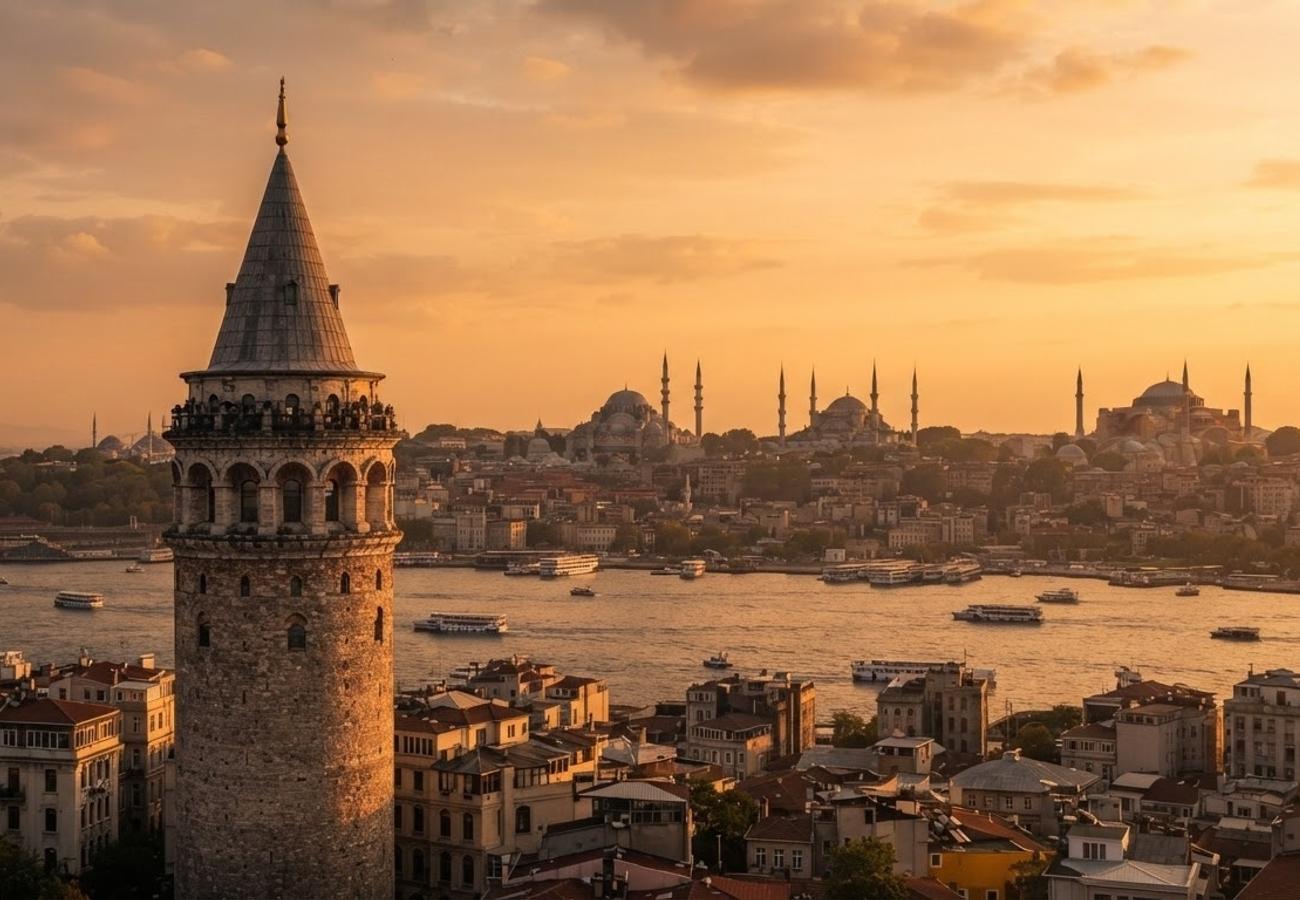
Image generated by AI
First-time visitors to Istanbul can now navigate the Galata Tower experience with updated 2026 logistics, including specific transit routes from Karaköy and Taksim to avoid the city's most congested bottlenecks.
Standing as a sentinel over the Golden Horn for nearly seven centuries, the Galata Tower remains a primary destination for those arriving in Istanbul. The landmark has transitioned from a Genoese defensive fortification to a centerpiece of the Beyoğlu district, blending historical significance with a modern museum experience. For the uninitiated, the area surrounding the tower is a labyrinth of steep, cobblestone alleys and vibrant commercial hubs, requiring a strategic approach to avoid the overwhelming crowds typical of this high-traffic zone.
The Historical Significance of the Galata Tower Museum
The Galata Tower, officially designated as the Galata Tower Museum, is a medieval stone structure located in the Galata quarter of Beyoğlu on the European side of the city. Established in the 14th century by Genoese settlers who maintained control over this side of the Golden Horn, the tower originally functioned as a critical lookout point and a component of the colony's defensive wall system. Today, the site is a protected heritage landmark under the jurisdiction of Turkey’s Ministry of Culture and Tourism.
The interior has been modernized into a curated museum. Visitors move through galleries that document the evolution of the city, spanning the Byzantine era of Constantinople, the height of the Ottoman Empire, and the transition into the modern Turkish Republic. These exhibits utilize historical maps, physical models, and multimedia installations to provide a narrative framework for the city's growth.
The primary attraction remains the open-air observation terrace. This circular balcony offers a 360-degree panoramic view of Istanbul's most iconic landmarks, including the minarets of Sultanahmet, the Bosphorus bridges, and the dense urban sprawl of Beyoğlu. Because the site is managed as a formal museum rather than a public viewpoint, entry is strictly regulated through security screenings and timed elevator access to prevent dangerous overcrowding on the narrow balcony.
Navigation and Optimal Walking Routes to Galata
The tower is situated on a hill in the Bereketzade neighborhood on Galata Kulesi Sokak. While the location is central, the terrain is challenging, consisting of steep inclines and uneven surfaces.
From Sultanahmet and the Historic Core The most efficient route involves taking the T1 tram toward Kabataş and disembarking at the Karaköy stop. Travelers should utilize an Istanbulkart—the city's universal transit card—for seamless entry. From the Karaköy square, a 10 to 15-minute uphill trek leads to the tower. Visitors are cautioned that the cobblestone paths can become slippery during winter months or following rainfall, making high-grip footwear essential.
From Taksim Square and İstiklal Caddesi For those staying near the city's northern hub, the best approach is a downhill walk via İstiklal Caddesi. After passing through the commercial heart of the street—past the Çiçek Pasajı arcade and major retail brands—visitors should turn toward the right into the narrower side streets. Following the "Galata Kulesi" signage leads through a district characterized by antique shops and boutique coffee roasters before arriving at the tower's plaza.
The Maritime Approach Integrating a ferry ride is highly recommended for a more scenic arrival. Ferries from the Asian side (Kadıköy or Üsküdar) arrive at Karaköy or Eminönü. A trip from Kadıköy to Karaköy takes approximately 20 minutes and costs a standard public transport fare via Istanbulkart. This route allows travelers to see the tower's silhouette from the water before beginning the ascent on foot.
2026 Ticket Pricing and Operational Logistics
As of mid-2026, the Galata Tower operates on a strict ticketed entry system. Due to ongoing economic inflation in Turkey, ticket prices for international tourists are subject to periodic increases. Adult tickets are typically priced in the several hundred Turkish lira range.
| Entry Category | Access Method | Pricing Note |
|---|---|---|
| International Adult | Official Ticket / Online | Subject to inflation adjustments |
| Turkish Citizen | Official Ticket | Discounted rate |
| Museum Pass Turkey | Pass Holder | Included or discounted entry |
| Third-Party Tours | Bundled Package | Higher cost; includes guides/transfers |
Opening Hours and Entry Visiting hours vary by season. While the tower generally opens in the morning and closes in the evening, the final entry is typically permitted one hour before closing. During peak summer periods or national holidays, these hours may be extended. Conversely, winter schedules may see earlier closing times. It is advised to verify the current schedule via the official Turkish Museums portal 24 to 48 hours prior to the visit.
Security and Equipment All visitors must undergo a security screening. Bags are scanned, and there are strict limitations on equipment. Tripods are frequently prohibited due to the limited space on the observation deck, and professional cinema gear may require special permits. Standard smartphones and compact cameras are permitted.
Maximizing the Observation Deck Experience
Upon entry, visitors take an elevator to the upper levels, followed by a short climb via stairs to reach the crown of the tower. The internal floors serve as a gallery, displaying early city panoramas and text panels in English and Turkish that explain the tower's history as a fire lookout and military watchtower.
The observation terrace is entirely exposed to the weather. To the south, the Süleymaniye Mosque and the Golden Horn are visible; to the east, the Blue Mosque and Hagia Sophia dominate the horizon. To the north, the modern high-rises of Şişli provide a contrast to the medieval stone of the tower.
To avoid the heaviest crowds, visitors should aim for the "shoulder hours"—immediately after opening or during the final hour of operation. Early morning visits offer a soft, hazy light, while late afternoon provides a "golden hour" effect over the city's mosques. During the midday peak, staff actively manage the flow of traffic, encouraging visitors to keep moving to avoid gridlock on the narrow balcony.
Why This Matters: The Traveler's Perspective
For the modern traveler, visiting the Galata Tower is less about the museum exhibits and more about spatial orientation. In a city as sprawling and complex as Istanbul, the tower serves as a "geographic anchor." By spending 30 minutes on the terrace, a visitor can mentally map the relationship between the European and Asian sides, the Golden Horn, and the Bosphorus.
From a logistical standpoint, the transition to a more structured, museum-style entry system is a significant improvement. While the queues can be daunting, the regulated capacity ensures that the experience on the balcony is safe and manageable. The real value for the visitor lies in the surrounding neighborhood; the walk from Karaköy to the tower is a masterclass in Istanbul's urban contrast, moving from the industrial maritime energy of the docks to the bohemian, artistic atmosphere of the Galata alleys.
The tower remains the definitive starting point for anyone seeking to understand the vertical and historical layers of Istanbul.
Related Travel Guides
Disclaimer
This article is for informational and educational purposes only. It does not constitute legal, financial, or professional advice. While we strive to provide accurate and up-to-date information, travel policies, regulations, and conditions change rapidly. Always verify information with official sources before making travel decisions. Nomad Lawyer makes no representations about the accuracy, reliability, completeness, or suitability of the information provided. Readers should consult qualified professionals for advice specific to their circumstances. The views expressed in this article are those of the author and do not necessarily reflect the views of Nomad Lawyer.
Kunal K Choudhary
Co-Founder & Contributor
A passionate traveller and tech enthusiast. Kunal contributes to the vision and growth of Nomad Lawyer, bringing fresh perspectives and driving the community forward.
Learn more about our team →