
Travel chaos hits Europe: 79 flights disrupted as Lufthansa, easyJet, SAS simultaneous routes fail
Travel chaos hits European airports as Lufthansa, easyJet, and SAS experience simultaneous disruptions across Spain, Greece, Germany, and Denmark in April 2026, affecting 79 delayed flights and 9 cancellations.

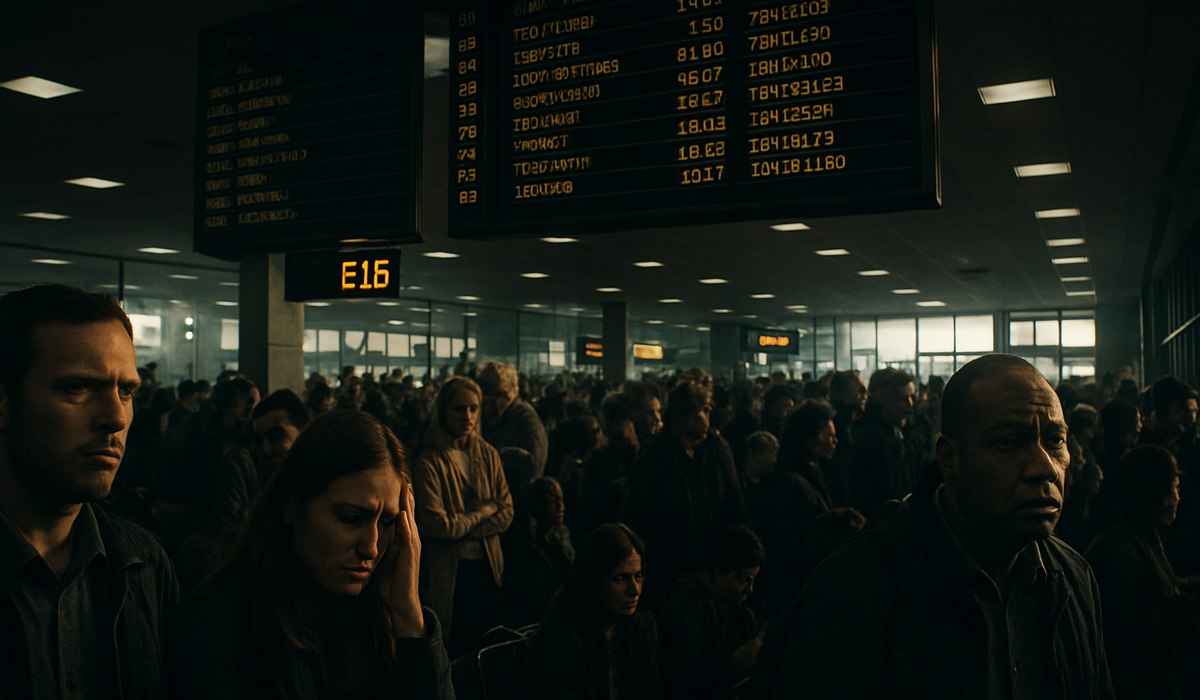
Image generated by AI
European Airways in Crisis: Major Airlines Hit Simultaneously
Travel chaos hits major European hubs as three of the continent's largest carriers—Lufthansa, easyJet, and Scandinavian Airlines (SAS)—faced cascading disruptions on April 11, 2026. Operational data confirms that 79 flights experienced delays while 9 were cancelled outright across Spain, Greece, Germany, and Denmark. Thousands of passengers found themselves stranded at critical airport hubs, facing missed connections, overnight stays, and scrambled rebooking attempts. This simultaneous breakdown across multiple carriers underscores the fragile interconnectedness of modern European air travel.
Wave of Disruptions Across Multiple European Hubs
The April 2026 disruption reveals how quickly operational hiccups cascade into systemwide chaos. At least 79 flights faced delays, concentrated on short and medium-haul routes where European carriers operate dense, tightly scheduled networks. Low-cost carriers and legacy network operators proved equally vulnerable—easyJet suffered delays on leisure-heavy routes into Mediterranean destinations, while Lufthansa's hub-and-spoke model amplified disruptions at Frankfurt, Munich, and Berlin. SAS, dependent on Scandinavian connections feeding into southern European leisure routes, also posted above-normal disruption levels.
Aviation analysts emphasize that these numbers, while appearing modest in continental context, cluster during peak travel windows. When 79 delays and 9 cancellations concentrate at secondary and regional airports with limited backup options, the practical impact multiplies exponentially. Check-in queues extended for hours. Security lines backed up significantly. Rebooking desks became overwhelmed as passengers desperately sought alternative routings.
The underlying cause: a combination of ground handling bottlenecks, air traffic restrictions, and marginal scheduling pressures that leave no buffer for unexpected disruptions. Budget carriers operating tight turnarounds—often 25-30 minutes between landing and departure—proved particularly exposed. A single 30-minute delay cascaded across 4-5 subsequent flights per aircraft.
Which Airlines and Routes Were Most Affected
Lufthansa and subsidiary carriers saw services curtailed across intra-European routes centered on German hubs. Major routes impacted included Frankfurt-Barcelona, Munich-Madrid, and Berlin-Athens legs. The airline's reliance on tightly-timed connecting waves meant that delays at any major hub rippled across later rotations, stranding passengers mid-journey.
easyJet experienced disruptions primarily on popular leisure links connecting northern Europe with Mediterranean resorts. Barcelona-London, Madrid-Paris, and Athens-Berlin services saw elevated delays. The budget carrier's thin margins and high-frequency scheduling meant that a single disrupted rotation could cancel 3-4 downstream flights.
SAS faced cascading delays on Scandinavian-to-southern-Europe routes, particularly Copenhagen-Barcelona, Copenhagen-Athens, and Stockholm-Madrid connections. As aircraft arrived late from Mediterranean destinations, they missed planned departure windows from the Danish hub, creating a domino effect throughout the carrier's network.
Secondary carriers including Vueling and Ryanair experienced spillover effects, particularly on Spanish routes where multiple operators compete on identical legs with razor-thin scheduling buffers.
Spain and Greece Bear the Brunt of Holiday Disruption
Spanish airports absorbed the heaviest impact. Barcelona-El Prat, Madrid-Barajas, Málaga-Costa del Sol, and Valencia reported clusters of disrupted services. Operational data suggests more than 200 delays and cancellations across Spanish airports within a 48-hour window, with the majority concentrated on April 11. Tourist-heavy routes linking northern Europe with Mediterranean beach resorts were particularly vulnerable—these services operate at near-capacity during Easter holiday periods, meaning flight cancellations left no empty seats on alternative departures.
The practical consequences devastated travelers. Check-in lines extended 2-3 hours. Security screening backed up significantly. Hotel rooms near Spanish airports sold out by midday. Passengers on cancelled flights faced rebooking opportunities limited to expensive same-day premium cabin repositioning flights or multi-day waits for economy seats on budget carriers.
Greece mirrored Spain's predicament. Athens International Airport and island gateways including Rhodes, Crete, and Mykonos reported similar disruption clusters. As aircraft and crews already stretched by earlier European disruptions arrived late, airlines faced impossible crew rest regulations—by European law, crews must rest 11 consecutive hours before operating long-haul flights, forcing overnight cancellations when crews missed their rest windows.
One Barcelona-bound passenger described waiting 9 hours for rebooking confirmation, ultimately accepting a routing via Munich that added 12 hours to their journey. Another traveler departing Athens faced a similar nightmare: a cancelled 2 PM departure reboked to a 10:45 PM flight, requiring an unplanned hotel night during peak holiday rates.
Germany and Denmark See Knock-On Effects at Major Hubs
Germany's primary hub airports—Frankfurt, Munich, and Berlin—functioned as disruption amplifiers. Inbound delays from Spain and Greece knocked aircraft and crews out of position for downstream rotations. Lufthansa, operating a hub-and-spoke model requiring precision timing, faced cascading failures. A single delayed Barcelona-Frankfurt arrival created a domino effect: that aircraft's subsequent Frankfurt-Copenhagen leg departed late, which delayed the Copenhagen-Athens overnight flight, which cancelled due to crew rest violations.
Recent operational reporting shows Frankfurt and Munich managing significantly elevated departure delays in early April 2026. The airline prioritized long-haul and heavily-booked regional connections over thinner leisure routes, resulting in selective cancellations of lower-load services.
Copenhagen emerged as a secondary disruption epicenter. SAS, which maintains extensive Nordic-to-Mediterranean connections, couldn't absorb the cascading delays arriving from southern Europe. Late-arriving aircraft from Barcelona, Madrid, and Athens missed Copenhagen departure windows, forcing cancellations of onward Nordic connections. Passengers booked on Copenhagen-Stockholm-Oslo spokes found themselves stranded, unable to reach Scandinavian connections due to missed hub windows.
Tracking Real-Time Disruption Data
Monitoring flight disruptions in real time provides critical advantage for nomadic professionals and frequent travelers. FlightAware offers live delay tracking with push notifications. The platform displays actual versus scheduled departure/arrival times, gate information, and aircraft routing. During the April 11 disruptions, FlightAware recorded over 150 tracked delays across affected carriers within a 6-hour window.
The FAA maintains open data on U.S. airport operations and provides insight into transatlantic flight impacts. While the April 11 disruptions were purely European, understanding FAA delay metrics helps predict broader network effects. The U.S. Department of Transportation's consumer rights portal provides regulatory requirements for carrier compensation obligations.
For European disruptions, check individual airline websites and contact their customer service portals directly. Real-time visibility into disruption status allows you to pivot travel plans proactively rather than reactively.
Understanding Passenger Rights During Disruptions
European Union Regulation 261/2004 establishes mandatory compensation requirements when airlines cancel flights or experience extended delays. Passengers are entitled to compensation based on flight distance:
- Short-haul (up to 1,500 km): €250
- Medium-haul (1,500-3,500 km): €400
- Long-haul (over 3,500 km): €600
These entitlements apply when airlines cancel flights with less than 14 days' notice, unless the cancellation resulted from extraordinary circumstances (severe weather, air traffic control restrictions) outside the airline's control. The April 11 disruptions appear to stem from operational failures rather
Disclaimer
This article is for informational and educational purposes only. It does not constitute legal, financial, or professional advice. While we strive to provide accurate and up-to-date information, travel policies, regulations, and conditions change rapidly. Always verify information with official sources before making travel decisions. Nomad Lawyer makes no representations about the accuracy, reliability, completeness, or suitability of the information provided. Readers should consult qualified professionals for advice specific to their circumstances. The views expressed in this article are those of the author and do not necessarily reflect the views of Nomad Lawyer.
Kunal K Choudhary
Co-Founder & Contributor
A passionate traveller and tech enthusiast. Kunal contributes to the vision and growth of Nomad Lawyer, bringing fresh perspectives and driving the community forward.
Learn more about our team →