
Fuel crunch hits Vietnam Airlines domestic flights by 20% in April 2026
Jet fuel shortages force Vietnam Airlines to cut domestic capacity by up to 20% starting April 2026. Myanmar and Pakistan carriers also slash routes as fuel costs spike across Southeast Asia.

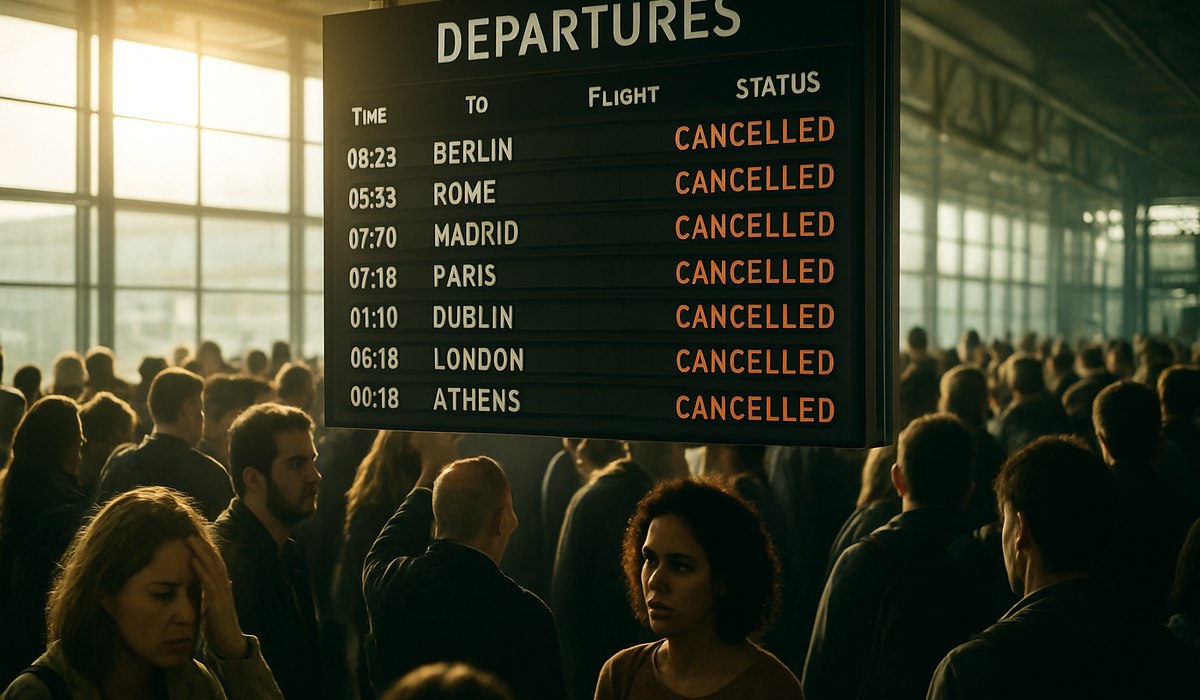
Image generated by AI
Fuel Crunch Hits Regional Aviation: Vietnam Airlines Slashes Domestic Capacity
Vietnam Airlines and regional carriers across Southeast Asia are implementing emergency schedule reductions as fuel crunch hits the industry hard. Starting in early April 2026, Vietnam Airlines is trimming domestic capacity by 10–20% due to skyrocketing jet fuel costs and supply constraints. The cuts coincide with peak travel season, affecting routes between Ho Chi Minh City, Hanoi, and coastal destinations. Neighboring Myanmar and Pakistan face similar pressures, with carriers suspending routes and raising fares. Travelers planning trips to Vietnam, Myanmar, or Pakistan in spring 2026 should expect fewer flight options, higher ticket prices, and increased schedule volatility.
Vietnam Airlines Cuts Domestic Capacity by Up to 20% as Fuel Costs Spike
Vietnam's flag carrier Vietnam Airlines is responding to the fuel crisis with aggressive capacity reductions on domestic routes. Industry reports confirm that the airline suspended multiple domestic services in early April 2026 while trimming frequencies on core corridors. The fuel crunch hits hardest on short-haul flights, where margins are tightest—particularly services to smaller regional airports and off-peak departure times.
Vietnam Airlines estimates potential capacity cuts of 10–20% if jet fuel prices remain elevated. While the airline frames cuts as temporary, they arrive during peak domestic travel season when business and leisure demand peaks. Passengers booking now face limited seat availability and premium pricing. Early-morning, late-evening, and regional services are being rationalized first. Higher operating costs are translating directly into ticket prices on busy corridors like Hanoi–Ho Chi Minh City and routes to Da Nang and Phu Quoc. The airline's international routes remain largely unaffected, but regional services bear the brunt of capacity constraints.
For real-time flight tracking and schedule updates, check FlightAware before booking or traveling within Vietnam.
Regional Impact: Myanmar and Pakistan Face Similar Supply Pressures
The fuel shortage is not confined to Vietnam. Myanmar's domestic aviation network has experienced dramatic swings between widespread cancellations and partial restarts within days. In late March 2026, major carriers suspended most domestic flights due to aviation fuel supply tightness. Services to regional centers like Sittwe and cities in conflict-affected states were halted.
By March 25, Myanmar's transport authorities reported that carriers had resumed near-full schedules following new fuel deliveries. However, the episode exposed structural fragility in the country's fuel supply chain, shaped by sanctions and geopolitical volatility. Myanmar travelers now face higher cancellation risk and fewer alternatives on ground transport in remote areas.
Pakistan International Airlines is also cutting routes and eliminating promotional fares. In April 2026, the carrier reduced flights to Gulf destinations and suspended selected services while maintaining limited links to the UAE and Saudi Arabia. The airline has withdrawn most passenger discounts except for children and infants, effectively raising fares to offset fuel costs. These moves follow years of financial restructuring at Pakistan's national carrier, signaling deeper industry strain.
What Travelers Should Expect: Higher Fares, Fewer Options, Schedule Uncertainty
The fuel crunch is reshaping travel planning across the region. Expect these concrete changes:
Higher ticket prices. Airlines are passing fuel surcharges directly to passengers. Budget carriers are seeing 15–25% fare increases on affected routes.
Limited seat availability. Capacity cuts mean premium economy and business class inventory shrinks first. Economy fares jump as fewer economy seats remain.
Schedule changes and cancellations. Last-minute adjustments are likely. Airlines may swap aircraft, combine flights, or suspend services with short notice. Peak-hour departures are prioritized; off-peak flights are more vulnerable.
Regional variations. Vietnam Airlines is more predictable than Myanmar's carriers. Myanmar faces volatile supplies; travelers there should confirm flights 48 hours before departure. Pakistan International Airlines is cutting routes selectively, creating gaps on some corridors.
Ground transport alternatives. In Vietnam, trains and buses offer reliable backups. In Myanmar, alternatives are limited. In Pakistan, domestic alternatives are developing but inconsistent.
Book flights early, monitor airline announcements, and consider trip insurance covering airline disruptions.
When the Cuts Begin: April 2026 and the Peak Travel Season Collision
The timing amplifies the disruption. April marks the tail end of Vietnam's dry season—peak tourist demand. Universities and schools are scheduling holidays. Business travel to Southeast Asia peaks. Yet fuel crunch hits exactly when capacity is most needed.
Vietnam Airlines' cuts began in early April 2026, affecting Easter holidays and spring break bookings. The situation is expected to persist through May unless global oil prices stabilize. Myanmar's carriers resumed operations by late March but at reduced frequency and elevated prices. Pakistan International Airlines' cuts began in early April 2026.
Travelers with flexibility should consider:
- Shifting trips to late May or June when fuel supplies may normalize
- Flying mid-week instead of weekends (lower demand, higher availability)
- Booking return flights separately to capture price variations
- Using alternative hubs (Bangkok, Kuala Lumpur) for onward connections within Southeast Asia
Monitor developments on FAA and US DOT for international aviation updates and passenger rights guidance.
Traveler Action Checklist
-
Book immediately if travel dates are fixed. Remaining seats fill fast; prices climb daily.
-
Confirm 48–72 hours before departure by calling the airline directly. Email confirmations may not reflect last-minute schedule changes.
-
Check alternative routes. If flying Vietnam, compare train schedules (Vietnam Railways) for Ho Chi Minh City–Hanoi. If Myanmar, consider coach services where available.
-
Purchase trip insurance covering airline cancellations and schedule disruptions. Standard policies may exclude fuel-related issues—read terms carefully.
-
Set up flight alerts on FlightAware for your route to receive schedule change notifications in real time.
-
Review airline refund policies. Vietnam Airlines, Myanmar carriers, and Pakistan International Airlines have varying policies. Get refund terms in writing.
-
Arrive at airports early. Reduced schedules cause queuing. Plan 3+ hours for domestic check-in during peak hours.
-
Document all changes. Save booking confirmations, schedule updates, and cancellation notices. These support compensation claims if eligible.
Key Data: Fuel Crunch Impact Across Southeast and South Asia
| Airline | Region | Capacity Cut | Key Routes Affected | Timeline | Fare Change |
|---|---|---|---|---|---|
| Vietnam Airlines | Vietnam | 10–20% | HAN–SGN, domestic to Da Nang, Phu Quoc | April–May 2026 | +15–20% |
| Myanmar Airways Int'l | Myanmar | 30–40% (temporary) | Yangon–Mandalay, regional hubs | Late March–April 2026 | +20–25% |
| Air Mandalay | Myanmar | 25–35% (temporary) | Domestic network | Late March–April 2026 | +18–22% |
| Pakistan International Airlines | Pakistan | 15–20% | Gulf routes, regional services | April 2026 onward | +20–30% |
| Regional carriers | Vietnam, Myanmar, Pakistan | 5–15% | Niche domestic routes | April–June 2026 | +10–18% |
FAQ: Fuel Crunch and Southeast Asia Travel
**Q1: Will my Vietnam Airlines flight be
Disclaimer
This article is for informational and educational purposes only. It does not constitute legal, financial, or professional advice. While we strive to provide accurate and up-to-date information, travel policies, regulations, and conditions change rapidly. Always verify information with official sources before making travel decisions. Nomad Lawyer makes no representations about the accuracy, reliability, completeness, or suitability of the information provided. Readers should consult qualified professionals for advice specific to their circumstances. The views expressed in this article are those of the author and do not necessarily reflect the views of Nomad Lawyer.
Kunal K Choudhary
Co-Founder & Contributor
A passionate traveller and tech enthusiast. Kunal contributes to the vision and growth of Nomad Lawyer, bringing fresh perspectives and driving the community forward.
Learn more about our team →