
Fuel Crunch Hits Karnataka Tourism Peak Season
A severe fuel and LPG shortage across Karnataka is disrupting hotels and transport operators during peak summer tourism season in 2026, threatening the state's tourism recovery with rising costs and service delays.

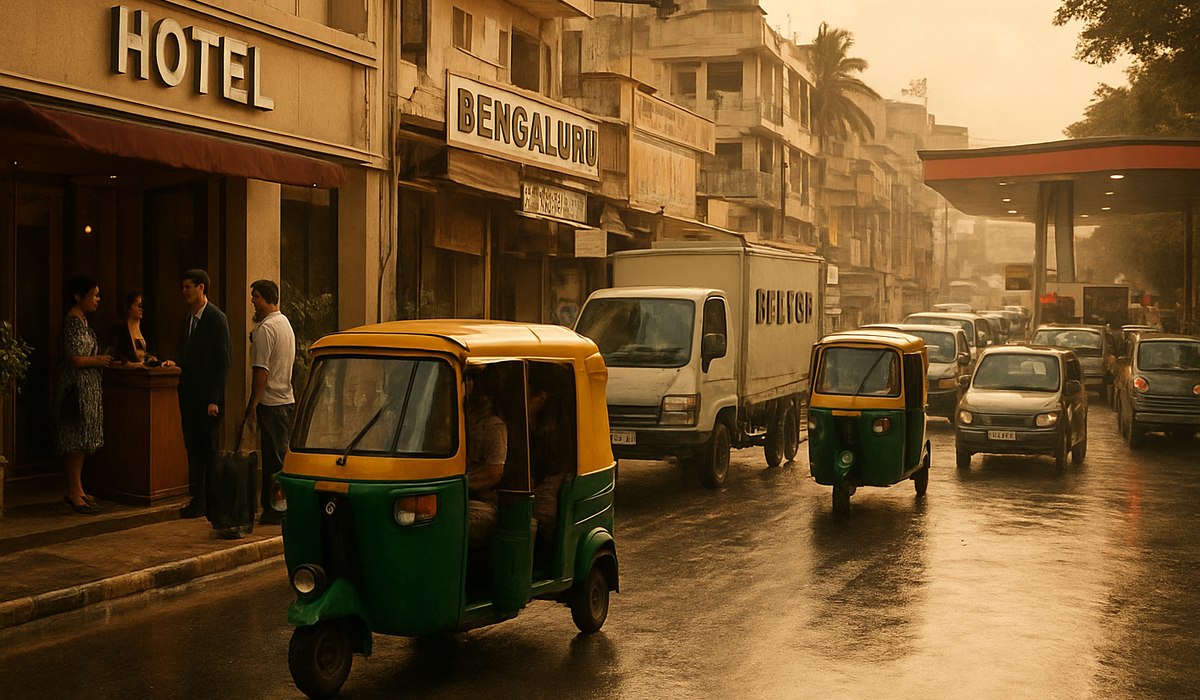
Image generated by AI
A Deepening Fuel Crisis Threatens Karnataka's Tourism Recovery
Karnataka's tourism sector faces a critical juncture as fuel and LPG shortages intensify across the state, coinciding with peak summer travel season in 2026. Hotels, restaurants, and transport operators from Bengaluru to Coorg are struggling with delayed deliveries, limited allocations, and soaring prices. The fuel crunch hits at the worst possible moment for a tourism industry still recovering from pandemic disruptions, threatening to undermine both visitor satisfaction and hospitality business viability.
The crisis centers on commercial liquefied petroleum gas supplies, which power kitchen operations across thousands of hotels, restaurants, and catering units statewide. Auto LPG shortages have also created bottlenecks at fuel stations, forcing taxi drivers and auto-rickshaw operators to raise fares and reduce service frequency. For travelers planning Karnataka getaways to heritage sites, hill stations, and urban attractions, these disruptions translate into higher costs, limited dining options, and unreliable ground transportation.
How LPG Shortages Are Crippling Hotel Operations Across Karnataka
Kitchen operations represent a significant portion of hotel operating budgets, making commercial LPG supply disruptions particularly damaging for hospitality businesses. Mid-range and budget properties are experiencing the most acute pressure, with many reporting partial cylinder allocations and unexpected price increases that squeeze already-thin margins.
Bengaluru hotels have begun implementing surcharges on menu items and reducing food offerings to offset fuel costs. Some establishments are investing in electric and induction cooking equipment as temporary workarounds, but these solutions require substantial upfront capital that smaller operators cannot afford. Industry associations warn that prolonged supply disruptions could force marginal properties to close permanently, particularly those serving office workers and transit passengers.
The fuel crunch hits hardest in secondary destinations like Coorg and Hampi, where limited supplier networks and remote locations create additional supply complications. Hotels in these heritage towns depend on regular LPG deliveries for both kitchen operations and hot water systems. Extended supply gaps force proprietors to choose between canceling bookings and operating at unsustainable loss margins, directly impacting seasonal employment and local economies.
Learn more about Karnataka's tourism infrastructure challenges on official state tourism portals.
Rising Transport Costs and Reduced Reliability for Tourists
Auto LPG shortages have created visible queues at fuel stations across Bengaluru and other urban centers, translating into reduced vehicle availability and higher fares for travelers. Commercial transport operators including taxi services, auto-rickshaws, and private car rental companies are reporting longer waiting times and increased operational costs, which they pass directly to customers through fare increases.
For visitors planning airport transfers, city tours, or multi-day excursions beyond urban centers, transport reliability has become unpredictable. Some drivers refuse long-distance trips to conserve fuel, limiting tourist access to peripheral attractions. The situation disproportionately affects budget-conscious domestic travelers, families, and student groups who depend on affordable auto-rickshaw and shared taxi services.
App-based cab operators face similar pressures, with increased fuel costs reducing driver availability during peak hours. Combined with concerns about potential petrol and diesel constraints, transportation uncertainty adds significant stress to trip planning for both business and leisure visitors exploring Karnataka's diverse destinations from tech hubs to temple towns.
Explore current transport options and ride-sharing services to understand available alternatives during supply challenges.
Small Businesses Face Closure Risk Without Supply Solutions
Karnataka's tourism economy depends heavily on small and medium enterprises including budget hotels, family-run restaurants, homestays, and local transport operators. These businesses lack the negotiating power and financial reserves of larger hospitality corporations, making them particularly vulnerable to fuel supply shocks and price volatility.
Unregistered guesthouses, small eateries, and independent tour operators operating on thin margins face closure without immediate government intervention. Many have exhausted pandemic-era savings and borrowed capital to stay operational, leaving no financial buffer for unexpected cost increases. The fuel crunch hits these operators simultaneously across the supply chain, eliminating opportunities to absorb costs through supplier negotiations or operational efficiencies.
Family-owned restaurants and homestay operations that anchor Coorg's tourism economy, attract heritage tourists to Hampi, and serve backpackers in beach towns face particularly acute pressure. When these touchstone businesses close, destination attractiveness deteriorates, affecting larger hotels and travel operators that depend on a vibrant ecosystem of dining, accommodation, and activity options.
Industry Calls for Urgent Government Intervention
Hospitality and transport associations are demanding immediate government action to stabilize commercial LPG supplies and implement price controls or subsidies for tourism-dependent businesses. The fuel crunch hits the tourism sector during its most vulnerable recovery phase, requiring policy response comparable to pandemic support measures.
Proposed solutions include dedicated commercial LPG supply allocations for hospitality businesses, temporary price ceiling mechanisms, and expedited import authorizations to increase fuel availability. Industry leaders argue that without intervention, Karnataka risks losing market share to competing states with more stable fuel supplies, damaging long-term destination positioning.
Government officials acknowledge supply chain constraints but maintain that household LPG supply remains prioritized, creating tension between residential needs and commercial sector demands. Tourism industry representatives counter that hospitality sector stability directly supports thousands of jobs across urban and rural areas, justifying emergency measures comparable to critical infrastructure protection.
Key Data: Fuel Crisis Impact on Karnataka Tourism
| Metric | Current Status | Impact on Travelers |
|---|---|---|
| LPG supply allocation (hotels) | 60-70% of normal | Menu price increases, reduced dining options |
| Auto LPG queue wait times | 2-4 hours | Reduced taxi availability, higher fares |
| Budget hotel closure risk | High in secondary towns | Accommodation scarcity in Coorg, Hampi |
| Restaurant surcharges | 5-15% on cooked items | Increased meal costs for visitors |
| Transport fare increases | 20-35% above normal | Higher costs for airport transfers, city tours |
| Supply reliability (commercial users) | 50-60% of pre-crisis levels | Service interruptions, booking cancellations |
What This Means for Travelers
The fuel crunch hits travelers in multiple ways requiring advance planning and flexibility:
-
Budget for increased accommodation and dining costs. Reserve 15-20% extra funds for hotel surcharges and restaurant price increases, particularly in smaller towns and heritage destinations.
-
Pre-book transport and dining services. Arrange airport transfers and restaurant reservations in advance through hotels to secure availability, avoiding reliance on last-minute transport availability.
-
Shorten excursions from major cities. Consider reducing multi-day trips beyond Bengaluru and Bengaluru suburbs, focusing instead on attractions accessible within single-day radius to minimize transport disruptions.
-
Monitor supplier websites and tourism boards. Check real-time availability updates on hotel and restaurant websites before confirming reservations in secondary destinations like Coorg and Hampi.
-
Consider alternative destinations. Explore neighboring states like Goa or Tamil Nadu with more stable fuel supplies if Karnataka tourism disruptions exceed your risk tolerance.
-
Allow extra travel time. Plan journeys with 30-40% additional time buffers to account for fuel station queues and transport delays affecting ground movement.
Frequently Asked Questions
Is it safe to visit Karnataka during this fuel shortage?
Yes, visitor safety remains unaffected by fuel disruptions. The crisis impacts cost and convenience rather than destination safety. Hotels and tourist attractions continue operating normally, though with modified services and higher prices. Verify specific hotel operations before confirming reservations.
Which Karnataka destinations are most affected by the fuel crunch?
Bengaluru faces urban fuel station queues but maintains reliable overall infrastructure. Coorg, Hampi, and other secondary destinations experience more acute LPG
Disclaimer
This article is for informational and educational purposes only. It does not constitute legal, financial, or professional advice. While we strive to provide accurate and up-to-date information, travel policies, regulations, and conditions change rapidly. Always verify information with official sources before making travel decisions. Nomad Lawyer makes no representations about the accuracy, reliability, completeness, or suitability of the information provided. Readers should consult qualified professionals for advice specific to their circumstances. The views expressed in this article are those of the author and do not necessarily reflect the views of Nomad Lawyer.
Kunal K Choudhary
Co-Founder & Contributor
A passionate traveller and tech enthusiast. Kunal contributes to the vision and growth of Nomad Lawyer, bringing fresh perspectives and driving the community forward.
Learn more about our team →