
Frontier Airlines Expands Detroit Hub With 41% Seat Growth and 15 Nonstop Routes by March 2027
Frontier Airlines is aggressively scaling its Detroit Metropolitan Wayne County Airport operations, projecting a 41% increase in seat capacity and expanding to 15 nonstop destinations by March 2027 to capture former Spirit Airlines market share.

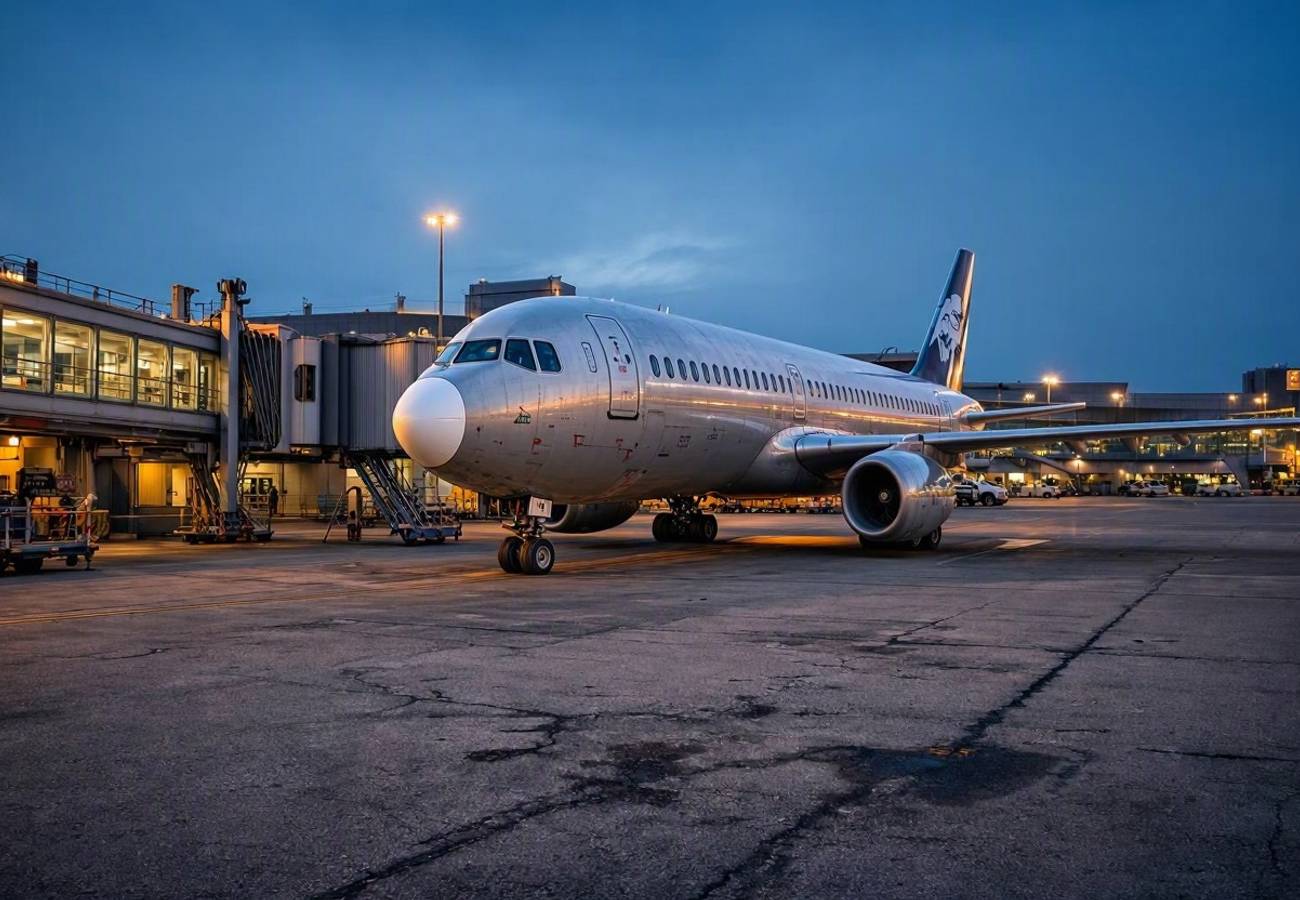
Image generated by AI
Available seat capacity for Frontier Airlines at Detroit Metropolitan Wayne County Airport (DTW) is projected to climb 41% between March 2026 and March 2027. This surge represents a calculated aggressive expansion into the Midwest market, specifically targeting the vacuum left by Spirit Airlines' reduced presence in the region.
The Detroit Expansion in Numbers
The scale of Frontier's growth in Detroit is not merely about adding a few flights; it is a systemic takeover of specific leisure and domestic corridors. As of September 17, 2026, the carrier confirmed a strategic roadmap that will bring its total nonstop destination count from DTW to 15.
A critical data point for industry analysts is the origin of these routes. Frontier has explicitly stated that 11 of these 15 destinations were previously served by Spirit Airlines. This means 73.3% of Frontier's current Detroit network is designed to recapture existing demand rather than create new markets. This pattern of "market poaching" is a common tactic among Ultra-Low-Cost Carriers (ULCCs) to minimize risk when entering a hub.
The most recent addition to this network is the Detroit to New York LaGuardia (LGA) route, scheduled for launch on November 20, 2026. This route will operate on a seasonal frequency model: daily service during peak holiday windows and three times weekly during off-peak periods.
Comparative Market Shift: Frontier vs. Spirit
The transition of power at DTW is evident when comparing the summer 2026 rollout to the projected 2027 capacity. Frontier's strategy involves a two-pronged approach: launching entirely new city pairs and increasing the frequency of existing high-demand routes, particularly to Florida.
The following table breaks down the recent and upcoming route injections into the Detroit market:
| Route Destination | Launch Date | Initial Frequency | Market Type |
|---|---|---|---|
| Fort Lauderdale (FLL) | July 5, 2026 | Daily | Leisure/Cruise |
| Philadelphia (PHL) | July 5, 2026 | Daily | Domestic/Business |
| Las Vegas (LAS) | July 6, 2026 | Daily | Leisure |
| New York LaGuardia (LGA) | Nov 20, 2026 | Daily (Peak) / 3x Weekly | Domestic/Business |
| Cancún (CUN) | Existing | Variable | International Leisure |
This expansion is part of a larger national trend. According to data trends often tracked by OAG, the ULCC sector is increasingly shifting toward "point-to-point" leisure dominance. Frontier's move to increase capacity to four specific Florida markets—Fort Lauderdale, Tampa, Orlando, and Miami—highlights a reliance on the "Sun Belt" migration pattern.
What This Means for Travelers
For passengers departing from Detroit, this 41% increase in available seats should theoretically lead to higher price competition and more scheduling flexibility. However, the data suggests specific booking behaviors are now necessary:
- Florida Route Volatility: Because Frontier is increasing frequencies to four different Florida cities without a uniform schedule, travelers should compare fares across FLL, MIA, MCO, and TPA. One may be significantly cheaper depending on the day of the week.
- LGA Booking Window: With the New York LaGuardia route launching November 20, 2026, and operating daily only during peak holidays, seats for December travel will likely sell out faster than the 3x weekly off-peak flights. Booking 8-12 weeks in advance is recommended for holiday travel.
- Ancillary Cost Awareness: While seat capacity is rising, Frontier is simultaneously updating its product. The introduction of First Class seating and Starlink connectivity suggests a shift toward "unbundled premium" options. Travelers should expect a tiered pricing structure where the base fare remains low, but connectivity and comfort are paid add-ons.
Forward Projection: The ULCC Hub Evolution
Frontier's trajectory suggests that Detroit is being groomed as a primary Midwest stronghold. By mirroring Spirit's former network so closely (11 of 15 routes), Frontier is betting that the demand for low-cost travel from DTW remains inelastic.
The projected 41% seat growth by March 2027 is a leading indicator of a broader shift in the IATA reported trends for North American domestic travel: the consolidation of ULCC capacity into fewer, higher-density hubs. If Frontier successfully maintains these load factors, expect further expansion into other former Spirit strongholds in the Midwest throughout late 2026 and 2027.
The addition of "UpFront Plus" and a revised Frontier Miles Elite status (starting at 10,000 points) indicates that the airline is attempting to attract a more loyal, frequent-flyer demographic, moving away from the "random leisure traveler" model toward a more sustainable, repeat-customer base.
FAQ: Frontier Detroit Expansion 2026-2027
Will flight prices from Detroit decrease with more seats? Increased capacity (up 41%) typically creates downward pressure on base fares. However, because Frontier is replacing Spirit's capacity, prices may remain stable while options increase.
When should I book the new Detroit to LaGuardia route? For peak holiday travel starting November 20, 2026, book as soon as schedules open. For off-peak travel (3x weekly), there is more flexibility, but early booking remains safer.
Which Florida cities have the most flights from DTW? Frontier is increasing capacity to Fort Lauderdale, Tampa, Orlando, and Miami. Frequencies vary by date; check the live schedule for the cheapest option.
Is Frontier adding new amenities to these flights? Yes. The airline is introducing Starlink high-speed internet and First Class seating options, alongside the existing UpFront Plus legroom service.
The battle for the Midwest's budget skies is no longer about who flies the most, but who captures the most abandoned market share.
Related Travel Guides
Disclaimer
This article is for informational and educational purposes only. It does not constitute legal, financial, or professional advice. While we strive to provide accurate and up-to-date information, travel policies, regulations, and conditions change rapidly. Always verify information with official sources before making travel decisions. Nomad Lawyer makes no representations about the accuracy, reliability, completeness, or suitability of the information provided. Readers should consult qualified professionals for advice specific to their circumstances. The views expressed in this article are those of the author and do not necessarily reflect the views of Nomad Lawyer.
Naina Thakur
Contributor & Travel Specialist
Travel enthusiast and legal writer covering visa regulations, responsible tourism, and cultural journeys across global destinations.
Learn more about our team →