
Mount Fuji 2026 Climbing Report: 240,000 Visitors Face New ¥4,000 Fees and Strict Daily Caps
Despite new ¥4,000 entry fees and strict daily climber limits, Mount Fuji saw a 17% surge in visitors in 2026, reaching nearly 240,000 climbers.

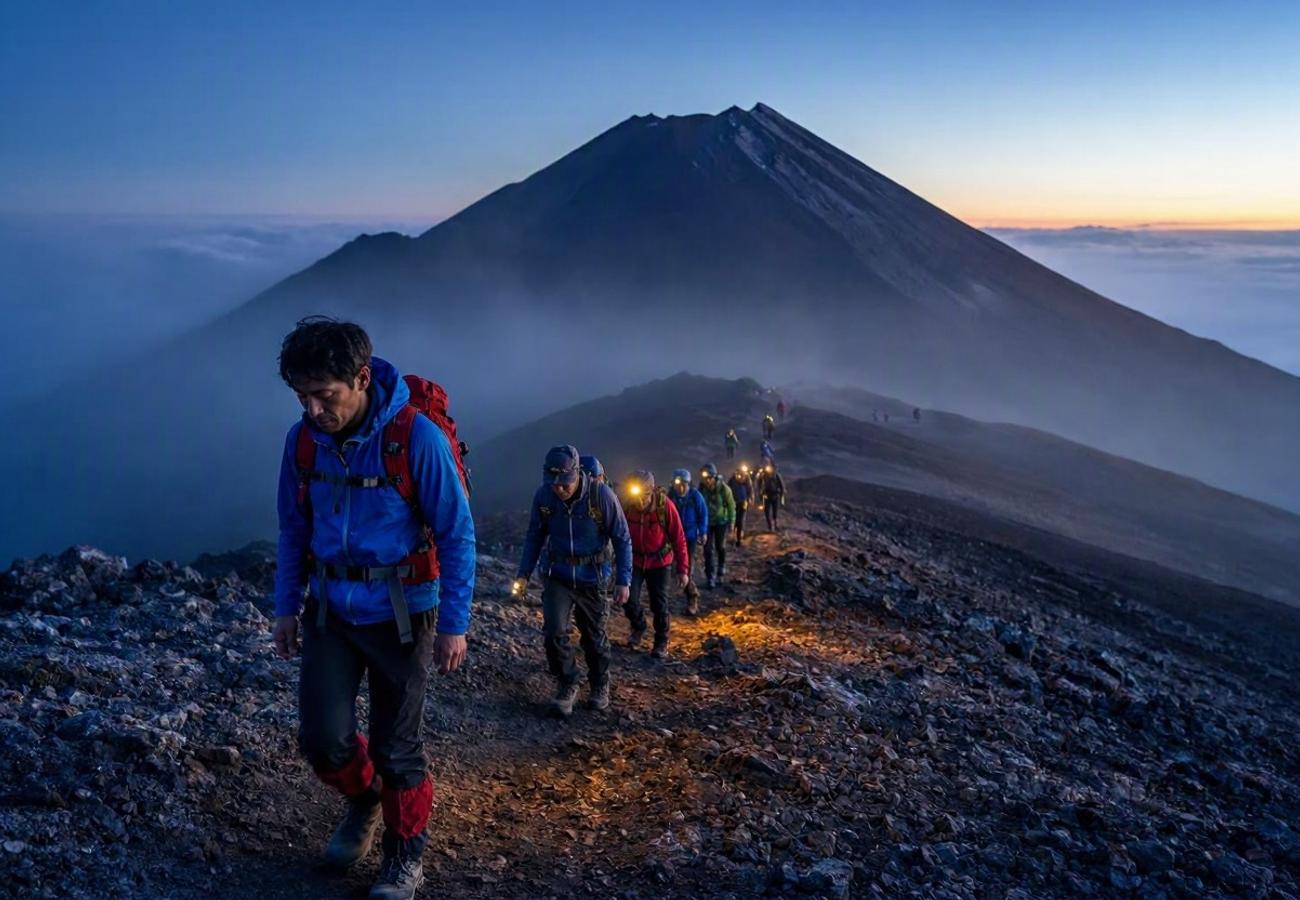
Image generated by AI
Despite the introduction of a ¥4,000 entry fee and rigid daily climber caps, Mount Fuji saw a massive 17% surge in visitors during the 2026 season. Approximately 240,000 people attempted the ascent, pushing numbers slightly past the 2019 pre-pandemic benchmark of 236,000. This growth proves that for many, the allure of Japan's most iconic peak outweighs the new financial and bureaucratic hurdles.
The Shift Toward Regulated Ascent
The 2026 season marked a turning point in how Japan manages its most famous landmark. For years, "bullet climbing"—the dangerous practice of racing to the summit overnight without sleep—and overcrowding have plagued the trails. In response, the Ministry of the Environment and local prefectures have transitioned from a "wide-open" policy to a managed-access model.
The surge to 240,000 climbers, up from 205,000 in 2025, shows that demand is not waning; it is simply being filtered. Authorities are no longer trying to stop people from coming, but are instead using fees and reservations to ensure those who do climb are equipped, educated, and funded.
Mount Fuji 2026 Access and Logistics
The mountain is divided between two administrative regions, each with its own set of rules. While the UNESCO World Heritage status of the mountain demands strict conservation, the practical application of these rules varies by route.
2026 Season Data and Costs
| Metric | Official 2026 Figure |
|---|---|
| Total Climbers (All Routes) | Approx. 240,000 |
| Year-on-Year Growth | +17% |
| Entry Fee (All Major Routes) | ¥4,000 per person |
| Yoshida Route Daily Cap | 4,000 climbers (excl. hut guests) |
| Yoshida Advance Reservations | 3,000 slots |
| Night Access Window | Restricted 2 p.m. – 3 a.m. |
| Shizuoka Safety Budget | Approx. ¥400 million |
What Makes the Route Experience Different
The climbing experience now depends heavily on which side of the mountain you choose.
The Yoshida Route (Yamanashi Prefecture) This is the most popular and most regulated path. To manage the crush, Yamanashi has implemented a hard ceiling of 4,000 climbers per day. If you haven't secured one of the 3,000 advance reservation slots, you risk being turned away at the fifth station once the limit is hit.
The Shizuoka Routes (Fujinomiya, Subashiri, and Gotemba) Shizuoka has taken a more educational approach. Through the "Shizuoka FUJI NAVI" system, climbers must register and complete a mandatory learning module on safety and conservation before receiving their entry certificate. This is a direct attempt to curb the "tourist" mentality and replace it with a "mountaineer" mindset.
Visitor Insider Tips
Having spent time observing the seasonal shifts on the mountain, there are a few things the official brochures won't tell you:
- The "Hut Hack": The daily cap of 4,000 on the Yoshida route excludes those with confirmed mountain-hut bookings. If the general entry is full, having a pre-booked bed is your only guaranteed ticket up.
- Avoid the "Bullet": The 2 p.m. to 3 a.m. lockout for those without huts is strictly enforced. Do not attempt to sneak past the fifth station; the checkpoints are rigorous.
- Transport Strategy: Private vehicle restrictions are brutal. In 2026, the Subashiri approach was restricted for 72 days and Fujinomiya for 63 days. Use the official shuttle buses or trains to avoid being turned back miles from the trailhead.
- Payment Ready: While credit cards and PayPay are accepted for reservations, keep some yen on you for the small mountain huts where digital connectivity is spotty.
- Timing: The season officially ended on 10 September 2026. For the best experience, aim for the first two weeks of August, but be prepared for the heaviest crowds.
Cultural and Environmental Context
The ¥4,000 fee is not a "tourist tax" for profit. Shizuoka Prefecture explicitly calculated this number based on a ¥400 million safety expenditure requirement divided by an estimated 100,000 climbers. This money funds rescue operations, trail maintenance, and waste management.
The environmental pressure is immense. With numbers exceeding 2019 levels, the mountain is battling erosion and litter. The new requirement for "advance learning" is a cultural push to move visitors away from treating the mountain as a photo-op and toward respecting it as a sacred site. By controlling the flow of people, Japan is attempting to preserve the spiritual integrity of the peak while accommodating global demand. For more official guidelines on visiting, check the Japan National Tourism Organization.
FAQ: Visiting Mount Fuji 2027
Do I need a reservation to climb Mount Fuji? For the Yoshida Route, it is highly recommended. There is a 4,000-person daily limit, with 3,000 slots available for advance booking. Other routes require registration via Shizuoka FUJI NAVI.
How much does it cost to enter the mountain? As of the 2026 season, the entry fee is ¥4,000 per person. This fee supports safety infrastructure and environmental conservation.
Can I climb the mountain overnight without a hut? Generally, no. Access between 2 p.m. and 3 a.m. is restricted to climbers who have confirmed mountain-hut reservations to prevent dangerous "bullet climbing."
What is the best time to visit? The official climbing season runs from early July to September 10. Mid-summer offers the best weather, though it is the most crowded period.
The mountain remains the same, but the way we reach the top has changed forever.
Related Travel Guides
Disclaimer
This article is for informational and educational purposes only. It does not constitute legal, financial, or professional advice. While we strive to provide accurate and up-to-date information, travel policies, regulations, and conditions change rapidly. Always verify information with official sources before making travel decisions. Nomad Lawyer makes no representations about the accuracy, reliability, completeness, or suitability of the information provided. Readers should consult qualified professionals for advice specific to their circumstances. The views expressed in this article are those of the author and do not necessarily reflect the views of Nomad Lawyer.
Naina Thakur
Contributor & Travel Specialist
Travel enthusiast and legal writer covering visa regulations, responsible tourism, and cultural journeys across global destinations.
Learn more about our team →