
France Teams up with Spain and Other Countries as Morocco Plans More than 10,000 Hotel Room Comeback Through 2027
France Teams up with Spain and Other Countries as Morocco Plans More than 10,000 Hotel Room Comeback Through 2027

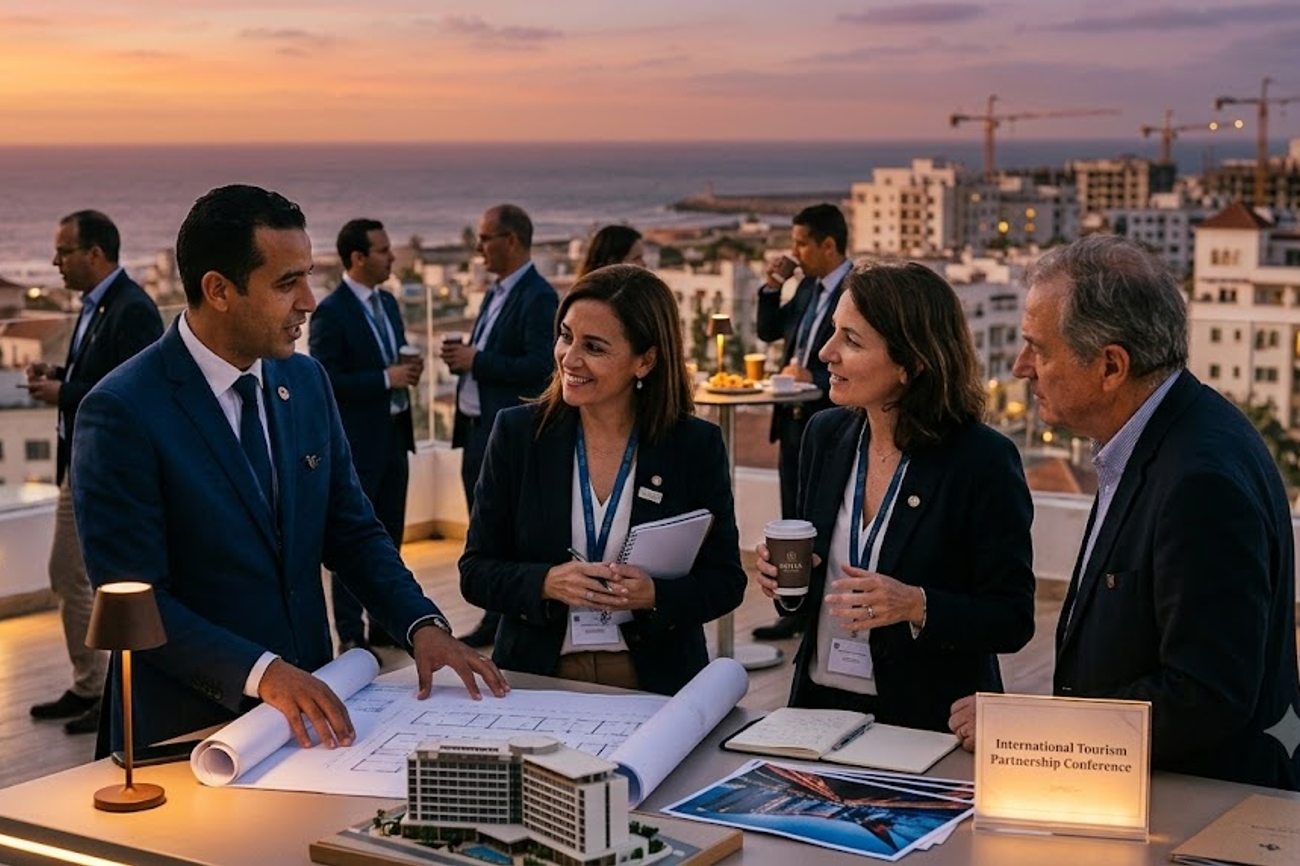
Image generated by AI
[Rabat, September 2026] — Morocco is launching a massive expansion of its hospitality sector to add more than 10,000 high-end hotel rooms by 2027, scaling to 25,000 new rooms by the end of the decade. The initiative is a strategic response to surging global demand and the nation's role as a co-host for the 2030 FIFA World Cup.
The Moroccan government is utilizing state investment funds and strategic international partnerships to modernize its tourism infrastructure. By collaborating with France and Spain, Rabat aims to import specialized hospitality skills and foreign capital to elevate the country's service standards. This overhaul is designed to transition the economy toward high-value service industries, reducing reliance on traditional sectors while creating hundreds of thousands of new jobs.
The 2030 World Cup Catalyst
The primary driver for this rapid development is the joint hosting of the 2030 FIFA World Cup alongside Spain and Portugal. While the tournament serves as the immediate deadline for infrastructure readiness, Moroccan authorities state the goal is a permanent overhaul of the tourism ecosystem rather than a temporary spike in capacity.
Currently, tourism contributes approximately nine percent of Morocco's national Gross Domestic Product. The government views the current shortage of premium lodging in cultural hubs as a bottleneck that limits economic growth. By aggressively incentivizing private and foreign investment, the state intends to capture the lucrative luxury travel market while maintaining options for budget-conscious visitors.
Market Impact and Affected Regions
The expansion is focused on relieving pressure from existing tourist hotspots that have seen demand surpass historical peaks. The following regions and sectors are the primary targets of the development campaign:
- Marrakech, Fez, and Tangier: These historic cities are seeing the highest concentration of new builds to accommodate the millions of annual international visitors who currently strain existing infrastructure.
- The Mediterranean Basin: Development is concentrated along the coast to facilitate the "integrated Iberian-North African tourism zone," allowing for seamless movement between Morocco and Spain.
- High-End Hospitality Sector: The focus is specifically on "premium" and "high-end" rooms to attract high-net-worth travelers.
- Transport Infrastructure: To support the new rooms, the government is updating connectivity, including flight and ferry links across the Strait of Gibraltar.
Practical Traveler Advisory and Strategic Insights
For the average traveler or business nomad, this development shift will manifest in several practical ways:
Increased Inventory and Competition The addition of 25,000 rooms by 2030 will likely stabilize pricing during peak seasons. Travelers will have more choices between international luxury brands and modernized boutique options, particularly in Marrakech and Tangier.
Standardized Service Quality Because the government is partnering with European firms for "knowledge transfer," visitors can expect a shift toward standardized, world-class operational protocols. This includes more consistent sustainability standards and improved hospitality training for staff.
Seamless Cross-Border Travel Those planning multi-country trips between Spain and Morocco will find better logistical synchronization. The alignment of accommodation standards and increased transport connectivity means easier transit for those hopping across the Mediterranean.
Construction Disruptions In the short term, travelers visiting major city centers should expect significant construction activity. The "massive building campaign" means that some historic districts may experience noise and accessibility issues as new hotels are integrated into existing urban fabrics.
Morocco is aggressively expanding its hospitality infrastructure to meet rising international demand, targeting a significant increase in room capacity by 2027. This growth is supported by strategic partnerships and promotional efforts coordinated through the Moroccan National Tourism Office, aiming to diversify luxury and boutique offerings across the kingdom.
The Franco-Spanish Strategic Alliance
Morocco has transformed its regional neighbors into foundational stakeholders. France and Spain are no longer just primary source markets for tourists; they are now primary investors and operators.
European construction firms and investment funds are directing substantial capital into the Moroccan market. This partnership is particularly evident in the involvement of French ministries, which are exploring sports-related economic opportunities tied to the 2030 tournament.
This trilateral relationship allows Moroccan developers to adopt cutting-edge building standards and management protocols. French companies are focusing specifically on long-term hospitality management and transport infrastructure, ensuring that the physical buildings are matched by efficient logistics.
The Financial Engine: Cap Hospitality
To fund these ambitions, the government has implemented "Cap Hospitality," a sophisticated state-backed financial mechanism. This initiative is managed through the Ministry of Tourism and the Société Marocaine d’Ingénierie Touristique (SMIT).
Cap Hospitality acts as the financial engine that lowers the risk for private investors. By providing state-backed incentives, Morocco is encouraging European hotel brands to not only finance construction but to implement advanced operational protocols on the ground. This ensures that the expansion is not just about quantity (the number of rooms) but quality (the level of service).
The coordination between SMIT and foreign investors is designed to ensure that new developments align with the broader macroeconomic goal of increasing the tourism sector's share of the GDP. This systematic approach prevents the "boom and bust" cycle often associated with event-driven infrastructure, ensuring the rooms remain viable long after the final whistle of the 2030 World Cup.
FAQ: Morocco Tourism Expansion 2026-2030
Will hotel prices increase during the 2030 World Cup? While demand will spike, the addition of 25,000 rooms is specifically designed to prevent extreme price gouging by increasing the total supply of available beds across the country.
Which cities will see the most new hotels? The primary focus remains on Marrakech, Fez, and Tangier, though coastal regions near the Strait of Gibraltar are also receiving significant investment to facilitate travel from Spain.
Are these new hotels only for luxury travelers? While the government is prioritizing "high-end" rooms to attract luxury spending, the overall increase in capacity is intended to benefit all traveler tiers by easing the pressure on budget lodging.
How can I check for official travel requirements for Morocco? Travelers should consult the Official Portal of the Kingdom of Morocco or their respective embassy for the most current visa and entry regulations.
Morocco is betting big on a concrete transformation to turn a football tournament into a permanent economic engine.
Related Travel Guides
- Air New Zealand Makes History with First WSI-Auckland Flight, 3 Weekly Services and New Advisor Fare
- USA’s New Hotel Empire Emerges In 2026 As Iconic Resorts And Luxury City Hotels Capture Traveller Attention
- Hotel Augustos Showcases Cusco Hospitality Growth as Peru Tourism Expands Beyond Traditional Machu Picchu Routes
Disclaimer
This article is for informational and educational purposes only. It does not constitute legal, financial, or professional advice. While we strive to provide accurate and up-to-date information, travel policies, regulations, and conditions change rapidly. Always verify information with official sources before making travel decisions. Nomad Lawyer makes no representations about the accuracy, reliability, completeness, or suitability of the information provided. Readers should consult qualified professionals for advice specific to their circumstances. The views expressed in this article are those of the author and do not necessarily reflect the views of Nomad Lawyer.
Preeti Gunjan
Contributor & Community Manager
A passionate traveller and community builder. Preeti helps grow the Nomad Lawyer community, fostering engagement and bringing the reader experience to life.
Learn more about our team →