
France and Spain Lead Europe's 2026 Experience-Led Tourism Shift Toward Culture and Cuisine
France and Spain are spearheading a fundamental shift in European travel as tourists move away from landmark sightseeing toward immersive cultural and culinary journeys.

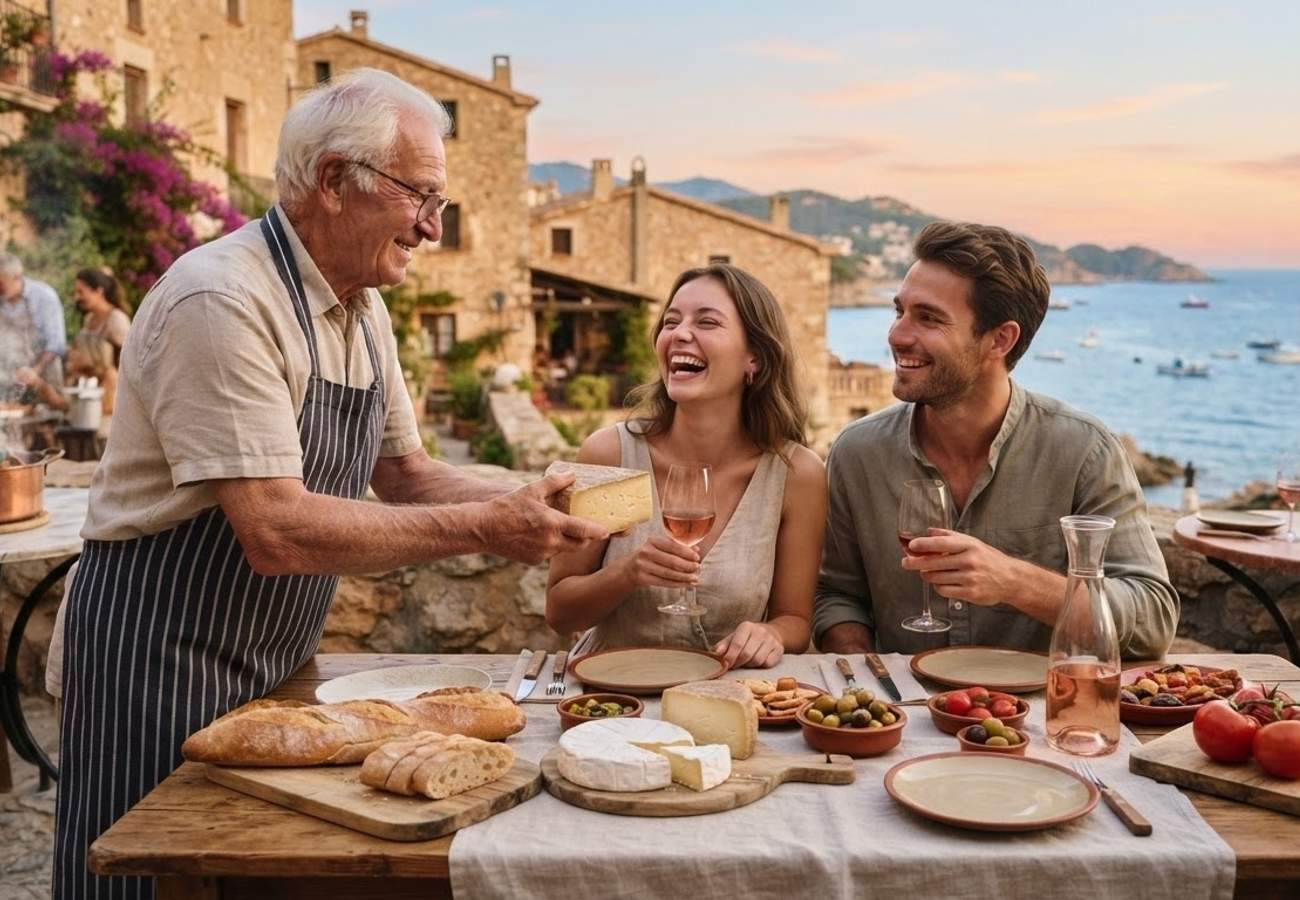
Image generated by AI
The era of "checklist tourism" is ending. Travelers are now prioritizing deep emotional connections, regional flavors, and authentic human interactions over famous landmarks.
European tourism is undergoing a structural transformation in 2026. While France and Spain remain the primary engines of this growth, the motivation behind the visits has shifted. Modern travelers are no longer satisfied with photographs of monuments; they are seeking "meaningful journeys" characterized by local immersion and cultural authenticity.
This shift represents a move from passive sightseeing to active experiencing. Whether it is through the lens of gastronomy or heritage, the focus is now on how a destination makes a visitor feel and what it teaches them about the local way of life.
The Macroeconomic Power of European Travel
Tourism is not merely a leisure activity but a cornerstone of the European economy. Data from the OECD underscores the massive financial scale of this sector, highlighting its role in employment and international trade.
Economic Impact of Tourism (OECD Data)
| Economic measure | Latest OECD figure | Why it matters |
|---|---|---|
| Direct tourism contribution to GDP | 4.0% | Tourism is a major economic activity |
| Direct tourism contribution to employment | 6.3% | Supports millions of jobs across tourism economies |
| Tourism share of services exports | 19.3% | Tourism is a major international export |
| OECD travel exports, 2024 | US$1.1 trillion | Demonstrates enormous market value |
| OECD travel receipts share of global receipts | 63.14% | OECD markets hold a dominant position |
| OECD share of global travel expenditure | 53.0% | Consumers spend heavily across OECD destinations |
| Global international tourism receipts, 2025 | US$1.9 trillion | Global tourism value remained strong |
Gastronomy as a Primary Travel Driver
Cuisine has evolved from a secondary amenity to a primary travel trigger. In 2026, the decision of where to fly is increasingly dictated by the regional menu.
France continues to leverage its world-renowned culinary heritage and cheeses, while Italy utilizes its regional pasta specialties to draw visitors. The EU Tourism Platform notes that culinary tourism is now a main motivator, as a single meal can introduce a traveler to a region's farming traditions, history, and social character.
The Rise of Authenticity and Slow Travel
The concept of "authenticity" has become the gold standard for the modern traveler. This has led to two distinct behavioral shifts:
- Hyper-Localism: Visitors are opting for regional markets over generic shopping malls and small-scale cultural events over overcrowded attractions.
- Slow Travel: There is a growing preference for the journey itself. Rail routes, cycling, and road trips are being used to connect with landscapes and communities, supporting sustainable mobility and spreading economic benefits to rural areas.
This trend provides a significant competitive advantage to lesser-known destinations. Small towns no longer need a world-famous monument to attract visitors; their unique local identity is now their greatest asset.
Demographic Shifts: The Gen Z and Millennial Influence
The profile of the average traveler is changing. OECD research indicates that Millennials and Generation Z will comprise more than half of global travelers by 2030.
Unlike previous generations, these cohorts prioritize experiences over material goods. Their spending patterns favor nature, local events, and meaningful activities. For tourism operators, this means the "winning formula" is no longer about building new attractions, but about weaving a richer story around existing local identities.
Regional Opportunity Mapping for 2026
As the industry evolves, different regions face unique opportunities and systemic challenges.
| Tourism market/region | Key attraction | Emerging opportunity | Main challenge |
|---|---|---|---|
| France | Culture, gastronomy, heritage | Premium cultural and culinary experiences | Managing visitor concentration |
| Spain | Cuisine, beaches, culture | Deeper regional and off-season travel | Capacity and overtourism |
| Italy | Food, art, heritage | Regional food and cultural journeys | Pressure on famous destinations |
| Türkiye | Culture, cuisine, Mediterranean coast | Competitive pricing and expanded demand | Managing rapid growth |
| Scotland/UK | Heritage, landscapes, festivals, screen tourism | Cooler-climate and culture-led travel | Affordability and changing visitor spending |
| Less-visited European regions | Local identity, nature, food | Tourism diversification | Connectivity and infrastructure |
Key Takeaways
- Experience Over Sightseeing: Travel in 2026 is defined by a shift toward "meaningful journeys" and authentic local interactions.
- Culinary Influence: Food is now a primary driver for destination selection, particularly in France, Spain, and Italy.
- Economic Weight: With OECD travel exports hitting US$1.1 trillion in 2024, tourism remains a critical GDP contributor.
- Demographic Pivot: Gen Z and Millennials are driving the demand for experience-led travel, favoring sustainability and localism.
- Diversification: There is a marked trend toward "slow travel" and lesser-known rural destinations to avoid overtourism.
FAQ
What is "Slow Travel" in the context of European tourism? Slow travel focuses on the quality of the experience over the quantity of destinations. It emphasizes using lower-impact transport like trains or bicycles to engage more deeply with local communities and landscapes.
Which countries are leading the culture-led tourism boom? France, Spain, and Italy remain the dominant leaders, though Türkiye and the UK (specifically Scotland) are seeing growth in heritage and experience-led travel.
How are younger generations changing travel patterns? Millennials and Gen Z prioritize "experiences over goods," leading to higher spending on authentic cultural activities, local food, and nature-based tourism rather than traditional luxury or landmark-based trips.
The future of European travel lies not in the monuments we visit, but in the stories we bring home.
Related Travel Guides
Disclaimer
This article is for informational and educational purposes only. It does not constitute legal, financial, or professional advice. While we strive to provide accurate and up-to-date information, travel policies, regulations, and conditions change rapidly. Always verify information with official sources before making travel decisions. Nomad Lawyer makes no representations about the accuracy, reliability, completeness, or suitability of the information provided. Readers should consult qualified professionals for advice specific to their circumstances. The views expressed in this article are those of the author and do not necessarily reflect the views of Nomad Lawyer.
Raushan Kumar
Founder & Lead Developer
Full-stack developer with 11+ years of experience and a passionate traveller. Raushan built Nomad Lawyer from the ground up with a vision to create the best travel and law experience on the web.
Learn more about our team →