
Hotel Four Seasons Baltimore Debuts Spring Wellness Initiative
Four Seasons Baltimore unveils spring spa and culinary programs in 2026, signaling luxury hotels' pivot toward experience-driven revenue as travel demand rebounds.

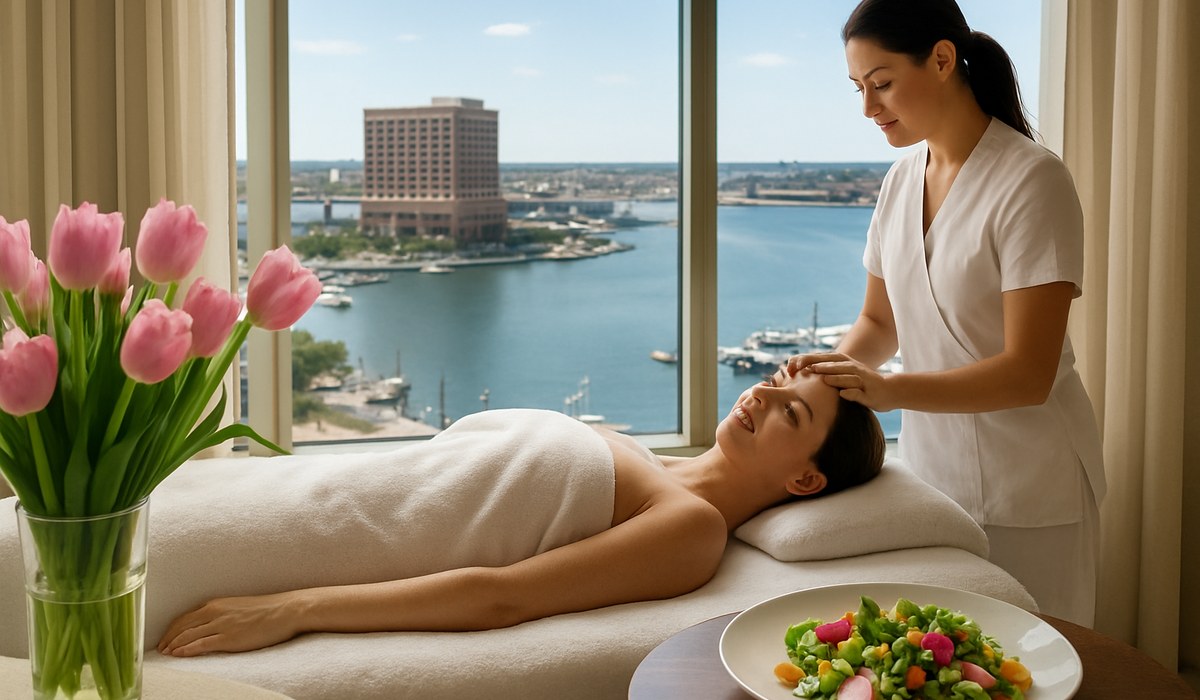
Image generated by AI
**> Quick Summary
- Four Seasons Baltimore launches expanded spring wellness and dining initiatives targeting both overnight guests and local patrons
- Luxury hotel chains are shifting revenue strategies away from room occupancy toward experiential packages with higher margins
- New spa programming emphasizes seasonal treatments while culinary offerings feature rotating chef partnerships
- Travel industry data shows affluent consumers prioritize immersive experiences over additional accommodations when planning spring getaways**
Four Seasons Baltimore Springs Wellness and Culinary Refresh
Four Seasons Baltimore is rolling out an ambitious spring refresh that extends far beyond traditional hotel amenities. Beginning this month, the property—a 256-room luxury destination anchoring the city's Inner Harbor district—is introducing curated spa treatments, chef-led tasting menus, and wellness retreats designed to attract both hotel guests and Baltimore-area residents seeking premium lifestyle experiences.
The initiative underscores a fundamental shift in how marquee hotel brands compete in an increasingly crowded luxury hospitality market. Rather than chasing raw occupancy percentages, properties like Four Seasons are betting that affluent travelers will consistently spend more on personalized wellness journeys and exclusive culinary moments than on additional room nights.
The property's newly revamped spa features treatments created in partnership with regional herbalists and incorporates seasonal ingredients harvested locally. Simultaneously, the hotel's dining venues are hosting limited-engagement culinary collaborations with acclaimed chefs who will design menus around spring produce and artisanal sourcing practices. These moves reflect how five-star operators are responding to post-2024 travel patterns showing consumers prioritize depth of experience over breadth of offerings.
Why Luxury Hotels Are Moving Beyond Room Occupancy
The hospitality landscape has fundamentally reorganized since 2024. While STR hotel performance data continues to track traditional metrics like average daily rates and revenue per available room, forward-thinking properties now measure success through what industry analysts call "experiential revenue capture"—the percentage of total revenue derived from activities, dining, and wellness services rather than room sales alone.
According to recent travel behavior studies, affluent consumers allocate roughly 40% of their leisure budgets to off-property experiences like dining, spa services, and guided activities. This has prompted five-star hotel operators to internalize these spending patterns by developing world-class amenities that travelers might otherwise seek elsewhere. The logic is straightforward: keep high-net-worth guests on property longer and generate multiple revenue streams from single bookings.
Four Seasons Baltimore's spring announcement is part of this broader repositioning. The hotel leadership recognized that Baltimore—with its growing reputation as a food and culture destination—offers a competitive advantage for properties that can blend hospitality with authentic local experiences. By inviting Charm City residents to participate in culinary events and wellness workshops, the hotel builds brand loyalty among locals while creating peak-demand periods that stabilize year-round revenue.
This strategic pivot also addresses labor market realities. Rather than hiring additional housekeeping and front-desk staff to fill more rooms, luxury properties are deploying existing teams toward higher-value service experiences. Spa technicians, concierges, and culinary staff generate more revenue per hour when executing bespoke wellness packages than when managing standard turnover operations.
The Spring Spa and Dining Experience Breakdown
Four Seasons Baltimore's spring programming breaks into three distinct offerings, each designed for different traveler profiles and occasion types.
The first pillar focuses on seasonal spa treatments developed around themes of renewal and restoration. These aren't generic massage packages; they incorporate regional botanicals, temperature-controlled water therapies, and personalized wellness consultations. Treatments range from 50-minute targeted sessions to multi-day immersion experiences. According to Forbes Travel Guide five-star standards, five-star spa differentiation hinges on personalization and therapeutic expertise rather than luxury finishes alone—a distinction that separates flagship properties from aspirational competitors.
The second stream involves rotating culinary partnerships. Rather than maintaining static menus, Four Seasons Baltimore is inviting guest chefs to take temporary residence and design limited-run tasting menus. This model benefits from multiple angles: it generates PR momentum around chef arrivals, justifies premium pricing for limited availability, and creates repeat-visit incentives as patrons anticipate which culinary talent will be featured next.
The third offering bundles wellness education with cultural immersion. Spring wellness retreats include morning movement classes overlooking the harbor, afternoon farm visits to local producers supplying the hotel's kitchens, and evening dining experiences that contextualize sourcing decisions and seasonal cooking philosophy.
These tiered experiences allow the property to serve varying price points and commitment levels. A guest seeking a single spa treatment pays market rates for that service. A guest booking the three-day wellness immersion—including accommodation, meals, classes, and curated experiences—pays substantially more per night but receives perceived value that justifies the premium.
How This Fits the Broader Luxury Travel Rebound
Spring 2026 marks a distinctive moment for hospitality operators. Travel demand has stabilized above pre-pandemic baselines. Consumer confidence remains strong among high-net-worth segments. And, crucially, travelers have become more discerning about where they allocate discretionary budgets.
As Asia slow travel gains momentum globally, urban luxury hotels like Four Seasons are positioning wellness experiences as antidotes to fast-paced tourism patterns. Rather than encouraging guests to tick off attractions, these properties invite extended stays built around internal rhythms and personal restoration. This philosophy appeals strongly to remote workers, entrepreneurs, and affluent professionals who view travel as an opportunity to reset rather than to accumulate experiences.
Similar to how international destinations are capitalizing on experience-driven tourism, domestic luxury hotels are refocusing on immersive offerings that can't be replicated through generic vacation packages. Baltimore's positioning as an emerging cultural hub—with innovative restaurants, art institutions, and waterfront revitalization—provides a natural backdrop for Four Seasons' pivot toward place-based wellness programming.
The timing also reflects seasonal travel patterns. Spring represents the shoulder season between winter holidays and summer family vacations. Luxury properties historically see softer demand during these periods. By creating compelling experiential programming, Four Seasons converts traditionally lower-demand weeks into premium-price periods where guests pay a premium for curated access.
Industry observers note that this model directly addresses labor retention challenges facing hospitality. Staff engaged in designing and executing specialized wellness experiences report higher job satisfaction than those managing routine operational tasks. Better retention means institutional knowledge preservation and superior guest service consistency—competitive advantages that compound over time.
Frequently Asked Questions
Q: Do I need to be a hotel guest to participate in Four Seasons Baltimore's spring programs?
A: No. The property is actively marketing culinary events, wellness workshops, and spa services to Baltimore residents. Day-use packages and evening dining reservations are available without overnight accommodation. This approach positions the hotel as a community destination rather than merely a lodging facility.
Q: What price range should I expect for these spring offerings?
A: Individual spa treatments typically range from $150-$400 depending on duration and customization. Chef-led dinners range from $85-$150 per person. Multi-day wellness retreats (including room, meals, and programming) start around $2,500 and scale upward based on room category and service level. These align with five-star luxury pricing standards across comparable markets.
Disclaimer
This article is for informational and educational purposes only. It does not constitute legal, financial, or professional advice. While we strive to provide accurate and up-to-date information, travel policies, regulations, and conditions change rapidly. Always verify information with official sources before making travel decisions. Nomad Lawyer makes no representations about the accuracy, reliability, completeness, or suitability of the information provided. Readers should consult qualified professionals for advice specific to their circumstances. The views expressed in this article are those of the author and do not necessarily reflect the views of Nomad Lawyer.
Raushan Kumar
Founder & Lead Developer
Full-stack developer with 11+ years of experience and a passionate traveller. Raushan built Nomad Lawyer from the ground up with a vision to create the best travel and law experience on the web.
Learn more about our team →