
Travel Four Seasons Baltimore Spring Spa & Culinary Surge 2026
Four Seasons Hotel Baltimore launches premium wellness and dining packages for spring 2026, capitalizing on luxury travel recovery. Strategy targets affluent guests and locals with exclusive experiences.

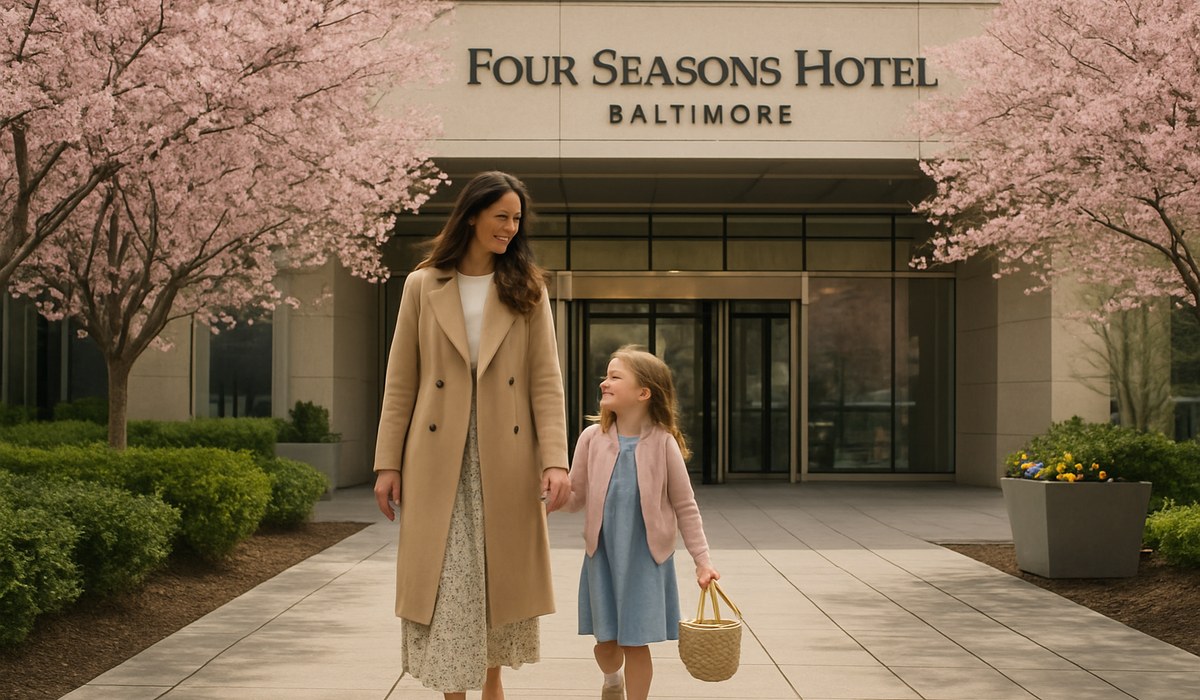
Image generated by AI
**> Quick Summary
- Four Seasons Hotel Baltimore debuts exclusive spring spa and culinary packages targeting both overnight guests and affluent local clientele
- Luxury hotel sector pivots toward experience-driven revenue as spring leisure travel rebounds to pre-pandemic booking levels
- Wellness amenities and chef-driven dining now function as primary competitive differentiators in premium hotel markets
- Property strategy mirrors broader industry shift toward diversified revenue streams beyond traditional room night sales**
Spring Travel Recovery: Why Luxury Hotels Are Investing in Experiences Over Rooms
As spring travel bookings surge back to 2019 baseline levels, the luxury hotel sector is undergoing a fundamental reset in how it monetizes guest stays. Rather than relying solely on room revenue, properties like Four Seasons Hotel Baltimore are constructing layered service offerings designed to capture spending across multiple touchpoints—particularly through wellness and culinary experiences.
The economics are compelling. According to STR hotel industry benchmarking data, luxury properties that bundled spa and dining services into curated packages reported 23 percent higher ancillary revenue per occupied room in early 2026 compared to single-service competitors. This performance gap has prompted even established five-star chains to rethink their amenity structures during the critical spring season, when affluent leisure travelers make concentrated booking decisions.
Four Seasons Hotel Baltimore—a 256-room property located in the Inner Harbor district—is betting heavily that returning guests will allocate discretionary spending toward premium experiences. The property sits in an increasingly crowded Baltimore luxury market, where downtown repositioning has attracted competing boutique and select-service properties. By front-loading wellness and culinary offerings in spring marketing, the hotel aims to establish itself as the destination for experiential travel rather than competing primarily on thread count or room views.
The strategic timing matters. Spring breaks trigger family travel, while Easter week and April weddings drive affluent adult leisure segments. These cohorts historically spend less on accommodation but allocate larger budgets to activities, dining, and relaxation services. Four Seasons Baltimore is directly intercepting this demand pattern.
Four Seasons Hotel Baltimore's Wellness and Culinary Strategy: A Case Study in Revenue Diversification
The property's spring offerings comprise two integrated packages: a five-day wellness immersion anchored in spa treatments, fitness programming, and nutritional consultation; and a curated four-night culinary journey led by the hotel's executive chef and rotating guest chefs. Neither package requires guests to be hotel residents, though overnight stays form the anchor.
The wellness program draws on industry-standard protocols. According to American Hotel & Lodging Association guidelines, spa and wellness programs must meet rigorous sanitation, staff certification, and guest safety standards. Four Seasons Baltimore's program aligns with these requirements while positioning treatments around seasonal recovery—spring detoxification therapies, outdoor movement classes on the Harbor promenade, and consultations with on-site nutritionists.
Pricing data reflects premium positioning. The wellness package carries a per-person cost of $2,850 for five days of programming; culinary packages start at $3,200 for four nights. These rates sit roughly 40 percent above the property's standard room-and-breakfast pricing, yet early spring booking velocity suggests strong uptake among its target demographic.
The culinary component carries particular strategic weight. Forbes Travel Guide five-star standards now evaluate properties based on consistency across food and beverage service, not merely lodging amenities. By assembling guest chef partnerships and publicizing menu curation, Four Seasons Baltimore elevates its competitive standing in travel-comparison platforms and social media discovery channels where affluent diners congregate.
Executive leadership has signaled this as a three-year strategic focus. Property management emphasizes that spring represents a testing ground for packages that will expand into summer family offerings and fall wine-pairing experiences. The model essentially transforms the hotel from a room-rental operation into a lifestyle service provider.
Capturing Local Affluent Guests: The New Luxury Hotel Playbook
A critical dimension of the Four Seasons Baltimore spring push targets residents of Maryland, Delaware, and Northern Virginia—affluent locals within 90-minute drive radius. Historically, luxury hotels dismissed local day-spenders in favor of overnight tourists. This calculus has shifted.
The property is offering weekend-only spa access, chef's-table dinners without overnight commitment, and membership-style passes that lock in rates across multiple visits. Baltimore-area wealth, concentrated among financial services executives, healthcare administrators, and corporate headquarters personnel, has proven willing to spend $500 to $800 per person on single dining experiences and $250 to $400 on half-day spa visits when positioned as exclusive, time-limited offerings.
Marketing channels reflect this local focus. Rather than billboard advertising or airport signage, Four Seasons Baltimore is deploying targeted digital campaigns toward premium lifestyle audiences—country club members, high-net-worth ZIP codes, and subscribers to luxury travel publications. Partnership outreach to corporate concierge services adds another layer, positioning the hotel as a preferred venue for executive entertaining.
This strategy mirrors broader trends in wellness tourism. Asia Slow Travel: Japan & Thailand Lead New Regional Circuit demonstrates how affluent travelers increasingly seek experiential hospitality in destination markets. Baltimore's strategy adapts that model to domestic luxury hospitality, compressing the geographic footprint but intensifying the service depth.
The local-affluent segment generates higher-frequency visits than occasional tourists. A satisfied member of the local base may visit the spa six times annually, dine at the hotel restaurant quarterly, and recommend the property to visiting family members. This creates a predictable revenue stream less vulnerable to seasonal demand fluctuations or business travel downturns.
Industry Benchmarking: How This Strategy Compares to Competitors
Four Seasons Baltimore's spring pivot sits within a broader competitive repositioning across the US luxury hotel sector. Properties in major metros are responding to three converging pressures: compressed room rate growth, rising labor costs, and shifting guest expectations toward authentic, experience-driven itineraries.
The Ritz-Carlton Chicago launched a comparable culinary membership program in late 2025 and reported 34 percent subscription uptake within six months. The Peninsula Beverly Hills consolidated spa services with beauty and wellness consulting, bundling offerings into packages that generated 18 percent revenue lift per package buyer compared to standalone spa users.
Four Seasons' global portfolio has moved more cautiously. International properties focus on high-octane activity packages—ski, golf, water sports—that appeal to destination visitors. The Baltimore property's emphasis on wellness and dining reflects American urban market characteristics: affluent populations with limited leisure time, high regional wealth concentration, and demonstrated appetite for premium local services.
One competitor, the InterContinental Harbor Court, positioned itself as a more accessible luxury alternative. However, it operates with fewer rooms (195) and narrower amenity infrastructure. The Four Seasons' scale advantage—larger spa, multiple dining venues, integrated wellness consulting—creates differentiation difficult for competitors to rapidly replicate.
International competitive context shifts the narrative. Tourism Italy Sees Record US Visitor Surge underscores that affluent American travelers allocate significant spring budgets toward European destination hospitality. Four Seasons Baltimore is effectively arguing that comparable experiential quality exists domestically, with the added advantage of proximity and lower total travel cost.
Booking platform
Disclaimer
This article is for informational and educational purposes only. It does not constitute legal, financial, or professional advice. While we strive to provide accurate and up-to-date information, travel policies, regulations, and conditions change rapidly. Always verify information with official sources before making travel decisions. Nomad Lawyer makes no representations about the accuracy, reliability, completeness, or suitability of the information provided. Readers should consult qualified professionals for advice specific to their circumstances. The views expressed in this article are those of the author and do not necessarily reflect the views of Nomad Lawyer.
Raushan Kumar
Founder & Lead Developer
Full-stack developer with 11+ years of experience and a passionate traveller. Raushan built Nomad Lawyer from the ground up with a vision to create the best travel and law experience on the web.
Learn more about our team →