
Force Thunderbolt Crashes During Iran Rescue Mission April 2026
A US Air Force A-10 Thunderbolt II crashed near the Strait of Hormuz during a combat rescue operation following an F-15E Strike Eagle shootdown over Iran on April 3, 2026, raising regional security concerns.

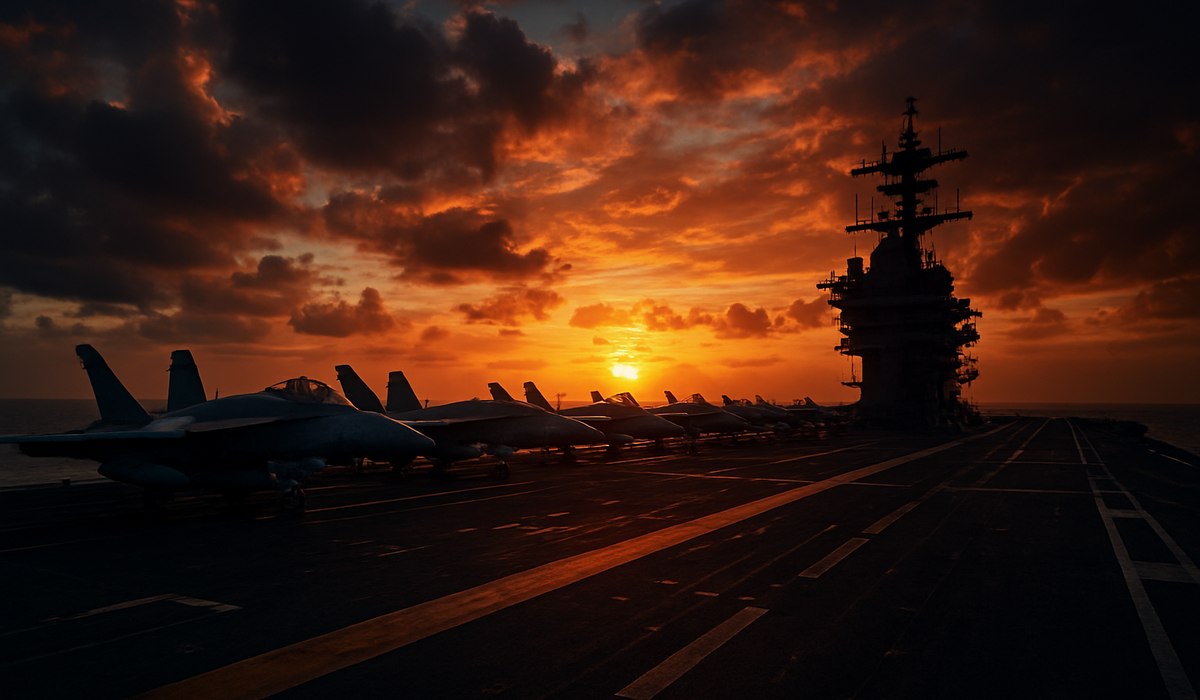
Image generated by AI
Critical Military Aircraft Loss During Middle East Operations
The US Air Force lost an A-10 Thunderbolt II attack aircraft near the Strait of Hormuz on April 3, 2026, during an active combat search and rescue operation. The force thunderbolt crashes incident occurred moments after an F-15E Strike Eagle was downed over Iranian airspace, prompting immediate response from military assets in the region. This dual aircraft loss marks one of the most significant operational incidents in the Middle East theater during the 2026 calendar year and carries substantial implications for civilian air traffic across the Persian Gulf region.
Incident Timeline and Location Details
The sequence of events unfolded rapidly over the Strait of Hormuz, one of the world's most strategically vital waterways for global shipping. Initial reports indicate the F-15E Strike Eagle was engaged and downed first, triggering automatic activation of combat search and rescue protocols by allied forces. Within minutes, the force thunderbolt crashes occurred when the A-10 Thunderbolt II became engaged in the escalating military confrontation while executing the rescue mission.
The geographic proximity to commercial air corridors and major international shipping lanes created immediate safety concerns. The Strait of Hormuz handles approximately 21% of global petroleum transit and serves as a critical passage for commercial aviation routing between Europe, Asia, and North America. Military officials established temporary flight restrictions affecting civilian aircraft operations in designated airspace around the incident zone to prevent secondary casualties and allow search operations to continue unimpeded.
Combat Search and Rescue Operation Context
The force thunderbolt crashes incident represents a cascading emergency requiring coordinated military response across multiple service branches. When the F-15E crew ejected after being struck, airborne personnel executed downed aircraft search protocols designed to locate and extract aircrew before hostile forces could reach them. The A-10 Thunderbolt II, specifically designed for close air support and armed with a 30mm rotary cannon, was deployed to provide protective fire during the search operation.
The circumstances surrounding the force thunderbolt crashes suggest the A-10 encountered unexpected defensive systems or coordinated air defense reactions while maneuvering to support the rescue effort. Military rescue operations in contested airspace involve extraordinary risk, requiring aircraft to operate at low altitudes where they become vulnerable to both fixed and mobile air defense systems. The incident underscores the dangerous reality of modern combat rescue operations conducted near hostile borders, where geography, weather, and enemy capabilities converge to create life-threatening conditions.
Aircraft Specifications and Operational Impact
The A-10 Thunderbolt II remains one of the most distinctive aircraft in military aviation, instantly recognizable by its twin turbofan engines mounted high on the fuselage. Nicknamed "Warthog" by crews, the aircraft carries an internal 30mm GAU-8 Avenger cannon with 1,150 rounds of ammunition, capable of penetrating heavy armor at combat ranges. The Thunderbolt's sturdy construction and redundant systems provide exceptional survivability in heavily defended environments, yet no aircraft is invulnerable to modern air defense weapons.
The force thunderbolt crashes loss reduces operational capacity for close air support missions across the theater and represents significant replacement costs exceeding $20 million per aircraft. The F-15E Strike Eagle, a dual-seat variant of the legendary F-15 Eagle fighter, serves multiple roles including deep strike, air defense, and reconnaissance missions. Both aircraft represent core capabilities within the Air Force's tactical arsenal, and their simultaneous loss creates temporary gaps in available combat resources until replacement assets can be deployed to theater.
Crew status remains a critical concern for both the downed F-15E and the A-10 aircraft. Military recovery teams immediately mobilized to locate both crews, implementing standard protocols for hostile territory recovery operations. The loss of experienced aircrews represents an immeasurable impact beyond the aircraft themselves, as pilot training and combat experience cannot be quickly replaced.
Regional Security Implications and Civilian Air Traffic
The force thunderbolt crashes incident occurs within the context of escalating tensions across the Persian Gulf region, where military activity directly affects civilian aviation operations. Major international air carriers operate scheduled flights daily through the Strait of Hormuz region, connecting markets in Europe, the Middle East, South Asia, and East Asia. The incident prompted immediate notices to airmen (NOTAMs) affecting altitude restrictions and routing requirements for civilian aircraft.
The Federal Aviation Administration coordinated with international aviation authorities to implement temporary rerouting procedures that added flight time and operational costs for commercial carriers serving the region. Airlines operating between European hubs and Asian destinations faced decisions regarding alternate routings through either northern corridors via Central Asia or southern routes across the Arabian Sea. These adjustments directly impact fuel consumption, crew scheduling, and passenger connection times on services already operating within compressed schedules.
The militarization of previously civilian-accessible airspace raises broader questions about sustainable aviation corridors in regions experiencing active armed conflict. Commercial aviation has successfully operated in challenging geographic and geopolitical environments for decades, but cumulative incidents involving military operations near civilian flight paths create ongoing safety assessment challenges for operators and regulators.
Key Operational Data Table
| Metric | Details |
|---|---|
| Primary Aircraft (Lost) | A-10 Thunderbolt II attack aircraft |
| Secondary Aircraft (Downed) | F-15E Strike Eagle fighter-bomber |
| Location | Strait of Hormuz, Persian Gulf region |
| Date/Time | April 3, 2026, early morning hours |
| Operation Type | Combat search and rescue mission |
| Approximate Aircraft Replacement Value | $20+ million per unit |
| Crew Involved | 2 A-10 pilot + 2 F-15E crew members |
| Impact on Commercial Air Traffic | Temporary NOTAMs, altitude restrictions, routing adjustments |
| International Routes Affected | Europe-Asia connectors via Persian Gulf corridors |
| Regional Petroleum Transit Impact | 21% of global oil passes through affected area |
What This Means for Travelers
Passengers booked on flights through Persian Gulf corridors should understand that military incidents in the region can create unexpected schedule changes and routing modifications. The force thunderbolt crashes incident demonstrates how rapidly military situations can affect commercial aviation operations and passenger plans.
Traveler Action Checklist
-
Contact your airline immediately if booked on flights routing through Persian Gulf airspace between Europe and Asia; confirm current flight plans and potential alternative routing options.
-
Check real-time flight tracking on FlightAware for your specific flight number to monitor active routing, altitude changes, and any ground stops related to military NOTAMs.
-
Review FAA notices to airmen at the official FAA website for active flight restrictions affecting your planned routing; search for NOTAMs using flight routing information.
-
Understand passenger rights under DOT regulations by visiting the US Department of Transportation Consumer Protection office for information on delay compensation and rebooking procedures.
-
Book flexible ticket types if planning travel through the Middle East region in coming weeks; select options allowing date changes without substantial penalties.
-
Allow extra travel time for connections and plan accordingly if your itinerary requires transit through affected airspace; military routing changes often extend total trip duration.
-
Monitor airline communications through official websites and app notifications; airlines will push notifications about schedule changes and customer service contact information as situations develop.
-
Document all expenses if your flight experiences significant delays or cancellations; maintain records for potential compensation claims under applicable air passenger rights regulations.
Frequently Asked Questions
How does a military aircraft incident affect my commercial flight?
Military incidents trigger notices to airmen (NOTAMs) that restrict civilian aircraft from specific airspace, requiring airlines to implement alternate
Disclaimer
This article is for informational and educational purposes only. It does not constitute legal, financial, or professional advice. While we strive to provide accurate and up-to-date information, travel policies, regulations, and conditions change rapidly. Always verify information with official sources before making travel decisions. Nomad Lawyer makes no representations about the accuracy, reliability, completeness, or suitability of the information provided. Readers should consult qualified professionals for advice specific to their circumstances. The views expressed in this article are those of the author and do not necessarily reflect the views of Nomad Lawyer.
Raushan Kumar
Founder & Lead Developer
Full-stack developer with 11+ years of experience and a passionate traveller. Raushan built Nomad Lawyer from the ground up with a vision to create the best travel and law experience on the web.
Learn more about our team →