
Flight Disruptions Snarl Travel Through Detroit, Major U.S. Hubs April 13
Flight disruptions snarl operations at Detroit Metro and major U.S. hub airports on April 13, 2026. Delta and Spirit Airlines face 50+ delays and cancellations, affecting connections across the Midwest and East Coast.

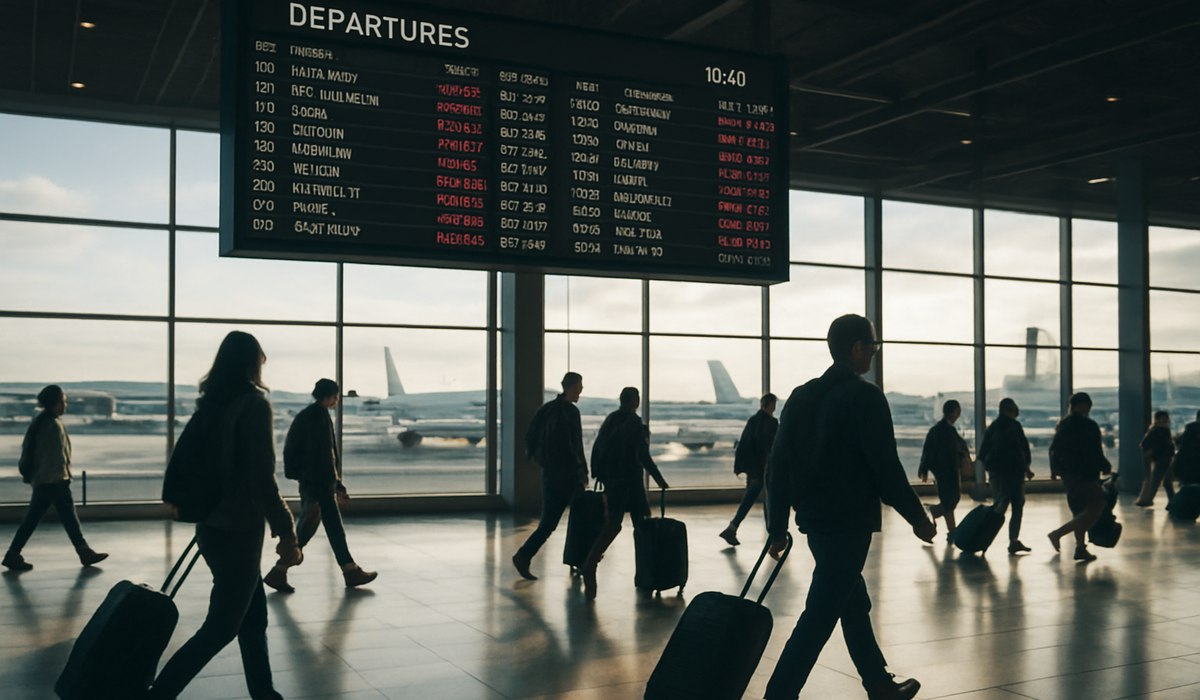
Image generated by AI
Major Flight Disruptions Cascade Through Detroit and U.S. Hub Airports
Detroit Metropolitan Wayne County Airport and connecting hubs across America experienced severe operational strain on April 13, 2026, as Delta Air Lines and Spirit Airlines grappled with widespread scheduling challenges. Flight disruptions snarl affected more than 50 departures and arrivals in Detroit alone, with multiple cancellations reported by early afternoon. The disruption wave rippled through major connecting routes to Chicago, New York, and across the Southeast, creating a cascading effect that impacted thousands of passengers nationwide.
Detroit Metro Airport Experiences Significant Delays and Cancellations
Detroit Metro serves as a critical operational hub for Delta and a major base for Spirit Airlines, making it uniquely vulnerable to scheduling disruptions. On April 13, airport tracking systems recorded approximately 54 delayed flights and roughly 10 cancellations by midday. The numbers underscored infrastructure vulnerabilities during peak travel demand seasons when airline schedules operate at razor-thin margins.
Detroit's geographic position makes it essential for connecting passengers traveling between Midwest origination points and East Coast business centers. When flight disruptions snarl operations at this Midwest gateway, aircraft and crews destined for secondary hubs like Chicago, New York, Dallas, and Orlando experience corresponding delays. The ripple effect cascaded through both domestic and international service lines, with some passengers facing multi-hour delays on flights they expected to depart on time.
For remote workers and digital nomads relying on predictable schedules, Detroit's operational challenges created immediate concerns. The combination of delays and cancellations left passengers uncertain about onward connections, forcing real-time rebooking decisions through airline customer service channels overwhelmed with requests.
Ripple Effects Across Midwest and East Coast Routes
When flight disruptions snarl at a major hub like Detroit, the consequences extend far beyond the airport's immediate service area. Aircraft rotation patterns mean that a delayed arrival in Detroit automatically delays subsequent departures to connected cities. This domino effect proved especially disruptive for passengers with tight connection windows.
Chicago's hub operations, already managing thousands of daily movements through United and American Airlines' primary operations, absorbed additional strain as Delta-routed traffic experienced delays. LaGuardia and John F. Kennedy International in New York reported elevated disruption levels, with over 2,000 flight delays recorded across the national network by April 13. Passengers connecting through multiple hubs faced compounding delays as each airport managed its own operational backlog.
The convergence of disruptions at multiple major hubs created systemic pressure across the national aviation network. Industry analysts noted that weather, staffing challenges, or equipment issues at primary hubs can trigger chain-reaction delays affecting secondary and tertiary airports for 24 to 48 hours beyond the initial incident.
Nationwide Pattern of Disruptions at Chicago and New York Hubs
Flight disruptions snarl reports from April 12 through April 13 documented close to 100 cancellations nationwide alongside thousands of delayed flights. Chicago O'Hare and Midway airports, already managing dense hub-and-spoke networks, became particular pressure points. The city's critical position in America's aviation network means that operational challenges there quickly affect connections across the country.
New York's three-airport system recorded some of the highest disruption counts nationally. JFK and LaGuardia both reported significant operational strain, forcing passengers to make real-time decisions about whether to pursue rebooking options or wait for delayed aircraft. Ground stops issued by the FAA at any major hub can cascade delays across the entire national system within hours.
Travel analysts warned that spring and summer 2026 would likely present continued vulnerability to disruptions at major hub airports. Staffing levels at airlines and ground operations, combined with aging airport infrastructure at facilities like Detroit, Chicago, and New York, created conditions where even minor operational hiccups could trigger major scheduling challenges.
What Remote Workers and Digital Nomads Should Know
For location-independent professionals, unexpected flight delays represent more than inconvenience—they threaten work continuity and commitments to distributed teams operating across time zones. Flight disruptions snarl during peak travel periods create compounding challenges for nomadic workers trying to maintain productivity schedules.
Remote workers transiting through Detroit, Chicago, or New York on April 13 faced particular challenges. The inability to predict arrival times meant that scheduled video calls, client meetings, and time-zone-sensitive deliverables became impossible to maintain. Several nomadic travel communities reported significant stress related to the April 13 disruptions, with some professionals missing critical business opportunities.
Travelers should maintain flexibility in their schedules and avoid booking back-to-back commitments immediately after air travel. Building 4-6 hour buffer time between flights through major hubs provides insurance against these unpredictable operational disruptions. Remote workers should also maintain mobile hotspot capability and alternative communication tools to manage work continuity during extended waits.
Real-Time Flight Tracking and Monitoring Resources
For passengers experiencing flight disruptions snarl, real-time information sources become essential. FlightAware provides up-to-the-minute tracking data on delays, cancellations, and airport conditions across the United States. The platform offers customizable alerts that notify travelers of schedule changes before airlines officially announce them.
The FAA's official website publishes real-time airport status information, including ground stops, ground delays, and airspace restrictions that affect flight operations. Checking FAA status updates before heading to the airport prevents wasted trips for cancelled flights. The U.S. Department of Transportation maintains consumer protection information and passenger rights documentation for delayed and cancelled flights.
Airline-specific apps from Delta, Spirit, and other carriers provide direct notification of operational changes. Enabling push notifications ensures passengers receive cancellation notices and schedule updates immediately, allowing proactive rebooking before call center queues become unmanageable.
| Metric | Value | Details |
|---|---|---|
| Detroit Metro Delays | 54 | As of April 13 midday |
| Detroit Metro Cancellations | ~10 | Approximate early afternoon count |
| National Flight Delays | 2,000+ | Across entire U.S. network |
| National Cancellations | 50+ | Spanning multiple carriers |
| Most Affected Airlines | Delta, Spirit | Detroit hub concentration |
| Secondary Hub Impact | Chicago, NYC | Cascading connection delays |
| Peak Disruption Time | April 13, 2026 | Morning and early afternoon |
| Typical Recovery Period | 24-48 hours | For hub-level disruptions |
Traveler Action Checklist
Passengers experiencing flight disruptions snarl deserve clarity on actionable response steps:
-
Check real-time flight status immediately on FlightAware or your airline's app to confirm whether your flight remains on schedule or faces delays.
-
Contact your airline's customer service team before arriving at the airport if your flight is cancelled to explore rebooking options on alternative flights or carriers.
-
Document all communications with airline representatives, including confirmation numbers, times, and specific promises about rebooking or compensation eligibility.
-
Request written confirmation of your rebooking or accommodation arrangements before leaving the airport to ensure airlines honor commitments made during busy periods.
-
Understand your passenger rights by reviewing DOT consumer protection guidelines for delayed and cancelled flights within your airline's operational control.
-
Gather receipts for expenses incurred due to flight cancellations, including meals, hotels, ground transportation, and rebooking fees, as these may qualify for reimbursement.
-
File a formal complaint with the DOT if your airline fails to provide compensation or accommodations mandated under federal aviation consumer protection rules.
Disclaimer
This article is for informational and educational purposes only. It does not constitute legal, financial, or professional advice. While we strive to provide accurate and up-to-date information, travel policies, regulations, and conditions change rapidly. Always verify information with official sources before making travel decisions. Nomad Lawyer makes no representations about the accuracy, reliability, completeness, or suitability of the information provided. Readers should consult qualified professionals for advice specific to their circumstances. The views expressed in this article are those of the author and do not necessarily reflect the views of Nomad Lawyer.
Preeti Gunjan
Contributor & Community Manager
A passionate traveller and community builder. Preeti helps grow the Nomad Lawyer community, fostering engagement and bringing the reader experience to life.
Learn more about our team →