
Flyers Fresh Wave of Disruptions Hits Five U.S. States in April 2026
A flyers fresh wave of disruptions swept across five major U.S. states in April 2026, forcing airlines to cancel 675 flights and strand thousands of passengers. Severe weather and network strain collide during peak spring travel season.

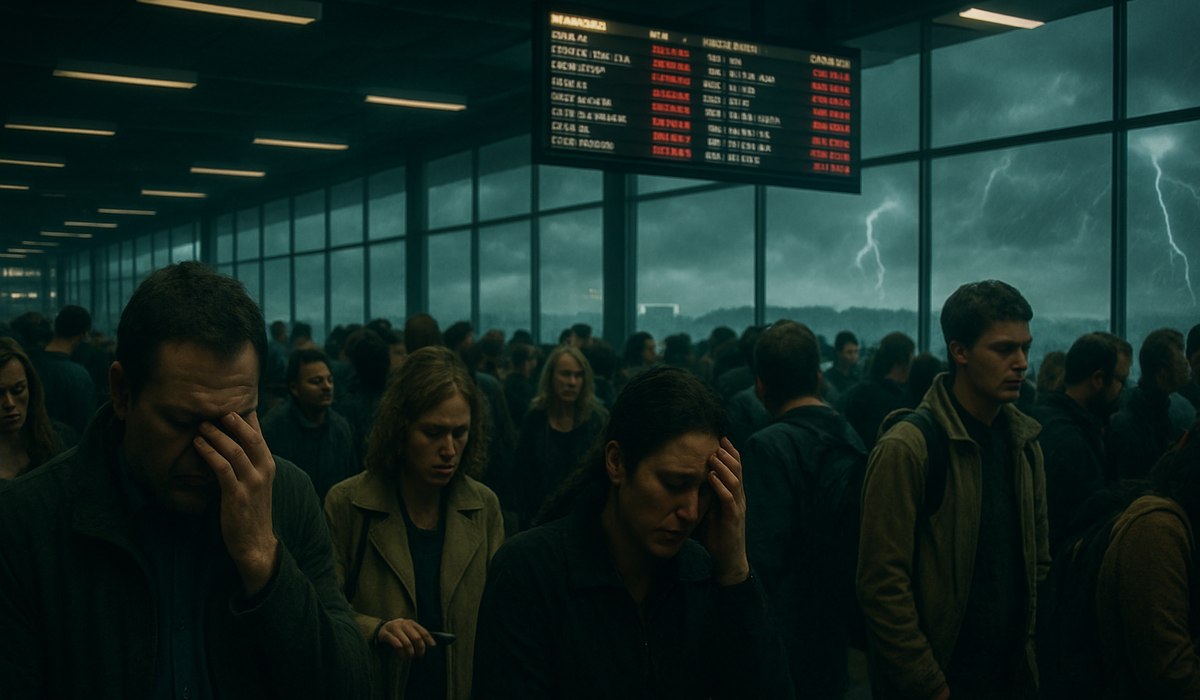
Image generated by AI
Massive Flight Disruptions as Flyers Fresh Wave Crashes Across Five States
Thousands of U.S. air travelers faced a bruising travel day on April 11, 2026, as a fresh wave of disruptions rippled through major airports across Georgia, Illinois, California, Massachusetts, and New York. The cascading cancellations and delays affected 675 flights, with at least 56 services scrapped entirely, leaving passengers stranded during peak spring and Easter-period travel demand. Delta Air Lines, American Airlines, SkyWest, and Air Canada bore the brunt of operational chaos as fast-moving storm systems collided with already stretched airline schedules and network capacity constraints.
Storm Systems and Peak Demand Collide Across Major Hubs
The latest flyers fresh wave of disruptions emerged from a familiar pattern: aggressive spring weather converging with maxed-out airline operations. Thunderstorms and low-cloud ceilings triggered temporary runway closures, ground stops, and extended spacing requirements at critical hubs. As aircraft and crews fell out of position, delays cascaded downstream, ultimately forcing cancellations on routes dependent on tight turnarounds and regional connections.
Aviation analysts noted that the U.S. air network remains structurally vulnerable when weather and high load factors simultaneously stress the system. Pilot shortages, congested airspace around major metropolitan areas, and minimal operational buffers between flights have amplified disruption severity. Unlike previous decades when airlines maintained cushion capacity, modern scheduling maximizes aircraft utilization, leaving little room for weather-related recovery. Federal Aviation Administration updates confirmed that weather-related delays and groundings were the primary driver of disruptions across all five affected states.
Which Airlines and Routes Are Most Affected
Delta Air Lines experienced elevated cancellation counts, particularly at Atlanta and New York hubs where storm cells and airspace restrictions collided with dense schedules. Atlanta, serving as Delta's primary connecting hub, proved especially vulnerable to cascade effects that rippled throughout the carrier's domestic network.
American Airlines struggled with significant delays on transcontinental and Midwest-Northeast routes. Recovery efforts were hampered when consecutive weather days compressed turnaround times, straining gate availability and crew scheduling at major hubs.
SkyWest, operating regional services for multiple major carriers, amplified system-wide disruption. Because many regional flights feed mainline hubs from smaller communities, cancellations created downstream effects affecting hundreds of connecting passengers.
Air Canada also reported delays on cross-border services, particularly affecting travelers routing through U.S. gateway cities. International connections suffered when U.S. domestic legs fell behind schedule, creating missed connections and rebooking challenges.
The Airline Passengers Association reported that connecting passengers faced the greatest disruption, as missed feeder flights resulted in multi-day travel delays and significant rebooking complications.
Structural Vulnerabilities Exposed in U.S. Aviation Network
This flyers fresh wave of disruptions exposed persistent vulnerabilities in American aviation infrastructure. The concentration of traffic at major hubs—Atlanta, Chicago, Los Angeles, Boston, and New York—creates inherent fragility when weather affects even one critical facility.
Chicago O'Hare's complex runway configuration means that any reduction in arrival or departure rates rapidly cascades into holding patterns and ground queues. The airport's role as a central artery for east-west and north-south traffic amplifies system-wide effects when operations slow.
On the West Coast, Los Angeles and San Francisco airports' reliance on arrival metering during low-ceiling conditions backed up regional and feeder services. These constraints, layered atop crowded schedules, sent ripples through domestic networks dependent on California's gateways.
Northeast airports in Boston and New York operate in especially tight airspace with limited flex capacity during peak periods. Spring weather patterns in this region frequently create low-visibility conditions that exacerbate congestion and delays.
Industry experts suggest that post-pandemic pilot shortages remain a critical constraint. Airlines cannot fully staff additional flights or absorb disruptions through schedule flexibility. Transportation Department data indicates pilot availability has improved modestly but remains below pre-pandemic levels, limiting operational resilience.
What Passengers Should Know and Do Now
| Metric | Details |
|---|---|
| Total Disrupted Flights | 675 services across five states |
| Outright Cancellations | 56 flights scrapped completely |
| Primary Affected States | Georgia, Illinois, California, Massachusetts, New York |
| Primary Carriers Impacted | Delta, American, SkyWest, Air Canada |
| Peak Disruption Time | April 11, 2026 (spring break period) |
| Primary Root Cause | Severe storms + network strain |
What This Means for Travelers
Passengers facing the flyers fresh wave of disruptions should take immediate action to protect their travel plans:
-
Check your flight status immediately with your airline or flight-tracking application. Cancellations and significant delays warrant proactive rebooking before customer service lines become overwhelmed.
-
Request rebooking on alternative carriers if your original flight is cancelled. Interline agreements between major U.S. carriers ensure you can reach your destination, though you may face modest fare differences.
-
Arrive at the airport earlier than scheduled for the next 48-72 hours, as residual delays continue affecting regional and cross-country service as aircraft and crews return to normal positions.
-
Document your delay or cancellation for potential Department of Transportation compensation claims. Carriers must provide meal vouchers and accommodation for overnight delays caused by airline operational issues (weather typically exempts carriers from compensation requirements).
-
Monitor weather forecasts if your journey involves travel through the five affected states over the coming week. Spring storm systems often linger, creating secondary disruptions as moisture patterns shift.
-
Book connecting flights with extended layovers during the remainder of April 2026. The faster-than-normal recovery pace benefits passengers with 3+ hour connections rather than tight 90-minute turnarounds.
FAQ
Q: What is causing the flyers fresh wave of disruptions across these five states?
A: A combination of severe thunderstorms and network strain is triggering cascading flight cancellations. Fast-moving storm systems reduce runway capacity, ground aircraft, and create airspace restrictions. As flights delay, crews and planes fall out of position, forcing downstream cancellations on routes dependent on tight connections and quick turnarounds.
Q: Which passengers are most affected by flight cancellations and delays?
A: Passengers with connections through Atlanta, Chicago, Los Angeles, Boston, or New York face the greatest disruption risk. Those flying regional carriers (SkyWest) feeding mainline hubs experience amplified delays. International passengers connecting through U.S. gateways may face multi-day itinerary disruptions.
Q: Are airlines providing compensation for cancelled or significantly delayed flights?
A: Weather-related cancellations typically exempt airlines from Department of Transportation monetary compensation. However, carriers must provide meal vouchers, accommodation for overnight delays, and rebooking on alternative carriers at no additional cost to passengers.
Q: When will flight operations return to normal across these five states?
A: Airlines typically require 24-48 hours to fully clear backlogged aircraft and crews after major disruptions. Full network normalization depends on continued favorable weather and successful recovery operations. Monitor your airline's social media and website for hourly updates through April 13, 2026.
Related Travel Guides
- Spring Travel Season 2026: How to Avoid Flight Disruptions
- [Complete Guide
Disclaimer
This article is for informational and educational purposes only. It does not constitute legal, financial, or professional advice. While we strive to provide accurate and up-to-date information, travel policies, regulations, and conditions change rapidly. Always verify information with official sources before making travel decisions. Nomad Lawyer makes no representations about the accuracy, reliability, completeness, or suitability of the information provided. Readers should consult qualified professionals for advice specific to their circumstances. The views expressed in this article are those of the author and do not necessarily reflect the views of Nomad Lawyer.
Preeti Gunjan
Contributor & Community Manager
A passionate traveller and community builder. Preeti helps grow the Nomad Lawyer community, fostering engagement and bringing the reader experience to life.
Learn more about our team →