
Fresh April Flight Disruptions Spread Across Five U.S. States
Fresh April flight disruptions cascade across five U.S. states in 2026 as severe thunderstorms and air traffic control constraints trigger thousands of delays and cancellations during peak spring travel season.

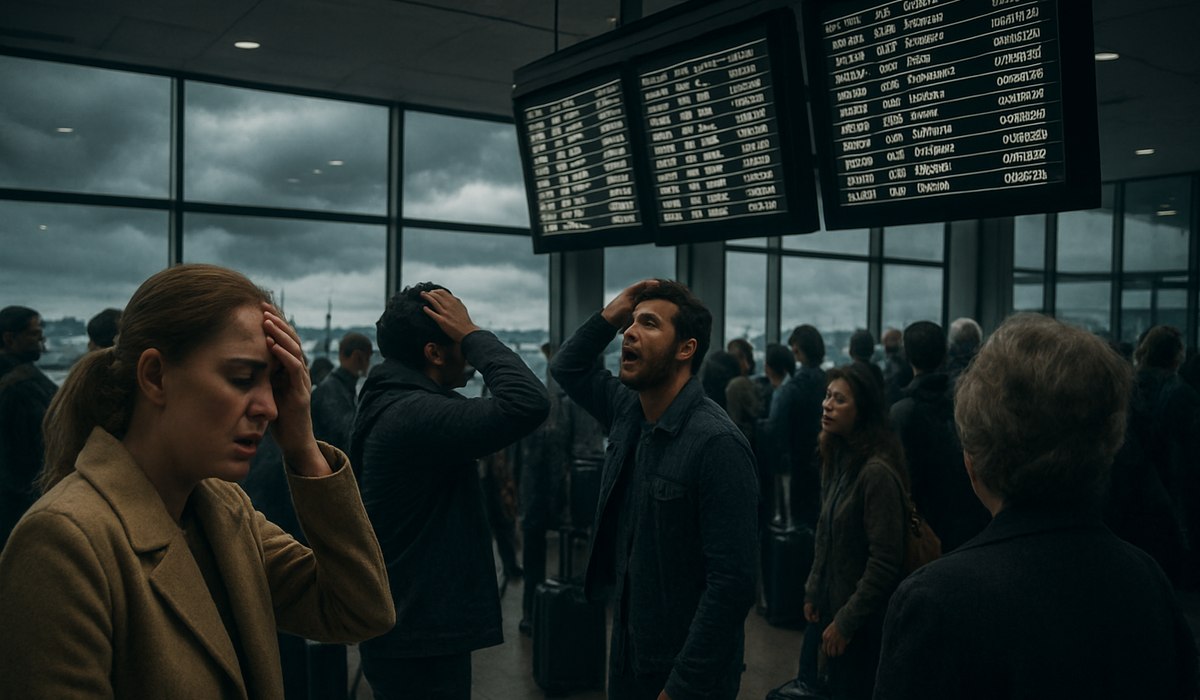
Image generated by AI
Early April 2026 Brings Widespread Fresh April Flight Chaos
Chicago O'Hare International Airport, Dallas-Fort Worth, Houston's George Bush Intercontinental, New York's LaGuardia, and San Francisco International are reeling from cascading flight disruptions that began March 31 and intensified through the first full week of April 2026. Severe thunderstorms combined with tight airline schedules and Federal Aviation Administration capacity constraints have triggered over 3,100 delays and 100-plus cancellations in the opening days alone. This fresh April flight situation affects millions of travelers during one of the busiest spring travel periods, with ripple effects spreading far beyond the immediate storm zones to impact connecting hubs across all five affected states: Illinois, Texas, New York, California, and Georgia.
Storm Systems Ignite a Turbulent Start to April
Early April arrived with volatile weather patterns that caught the aviation industry during peak holiday travel demand. Thunderstorms, low-hanging clouds, and flooding disrupted major air corridors stretching from the Midwest through the South, according to real-time data from FlightAware. The fresh April flight disruptions began March 31, with meteorologists identifying a broader outbreak pattern running through April 7 that brought damaging winds and heavy rain to the Midwest and Southern regions.
The timing proved catastrophic for schedulers managing aircraft and crew positioning. When a thunderstorm system moves through a major hub, it doesn't just delay local flights—it strands planes and personnel elsewhere in the network. Airlines operating on tight schedules heading into Easter found themselves unable to recover from even short weather events, creating a domino effect that lasted days.
Chicago O'Hare's Hub Collapse Triggers Nationwide Ripple Effects
Chicago O'Hare International Airport absorbed a disproportionate share of early April's disruptions, serving as ground zero for cascading cancellations. The massive Midwest hub's role as a connecting point for dozens of airlines meant that local weather impacts radiated nationwide. Dozens of departures and arrivals faced delays, cancellations, or were held on airport ramps as storm cells moved through Illinois.
Passengers on connecting flights through O'Hare experienced missed connections and extended holds as airlines awaited weather clearance. The hub's operational constraints meant that recovery took significantly longer than the actual storm duration. With limited gate availability and tight turnaround times, a single weather event at O'Hare cascaded into delays affecting flights in California, Florida, and across the Northeast within hours.
According to the FAA, the capacity challenges at O'Hare demonstrated how dependent the national airspace system is on major hub operations. When one hub fails, the entire network feels the impact within the same day.
Texas Airports Face Ground Stops and Heavy Delays
Texas emerged as another critical disruption zone during the fresh April flight situation. George Bush Intercontinental Airport in Houston implemented a formal ground stop on April 4 evening as slow-moving thunderstorms reduced visibility and created dangerous holding patterns for arriving aircraft. Departure boards filled with delays while thousands of travelers waited for conditions to improve.
Dallas-Fort Worth International, serving as a primary connecting point for both domestic and international routes, experienced weather-related slowdowns that fed into gate congestion and taxiway backups. The combination of severe local storms and a tight national route network amplified each interruption's impact. A single thunderstorm burst grounding flights in Houston or Dallas for even one hour can leave aircraft and crews out of position for the entire day, affecting departures in other states long after the immediate weather threat clears.
Travel industry analysis indicates that Texas airports processed hundreds of late operations and concentrated cancellations at Dallas, Houston, and San Antonio hubs throughout early April.
What This Means for Travelers During Peak Spring Travel Season
The fresh April flight disruptions underscore the fragility of the U.S. aviation network during busy periods. With major hubs experiencing ground stops, passengers should expect longer overall travel times, missed connections, and potential rebooking onto flights days later. Airlines are prioritizing crew positioning and aircraft utilization over customer convenience, meaning standby lists grow quickly and alternative flight options disappear rapidly.
Travelers should monitor conditions continuously using real-time tools, consider purchasing trip insurance, and arrive at airports extra early. Hotel availability near major hubs fills quickly when mass disruptions occur, so stranded passengers may face difficulty securing lodging. The Federal Aviation Administration and individual carriers provide regular updates through official channels—social media information often lags reality by hours.
Traveler Action Checklist
- Check flight status continuously on FlightAware before heading to the airport
- Contact your airline directly for rebooking options rather than waiting in airport queues
- Document all expenses (hotels, meals, transportation) for potential reimbursement claims
- Review your airline's delay and cancellation policies via US DOT
- Book refundable tickets when possible during volatile spring weather seasons
- Arrive at airports 3+ hours before departure during known disruption periods
- Request meal vouchers and hotel accommodations before airport resources become scarce
- Save airline customer service numbers before losing phone battery at crowded gates
- Consider alternative transportation (train, rental car) if connecting flights face repeated disruptions
- File compensation claims within 30 days of disruption under applicable regulations
Impact Data Table
| Metric | Early April 2026 Impact | Affected Region |
|---|---|---|
| Total Delays (March 31–April 1) | 3,100+ | Nationwide |
| Total Cancellations (March 31–April 1) | 100+ | Nationwide |
| April 5–6 Cancellations | 700+ | U.S. Network |
| April 5–6 Delays | 8,600+ | U.S. Network |
| April 6 Single-Day Delays | 4,722 | Nationwide |
| April 6 Single-Day Cancellations | 307 | Nationwide |
| Primary Disruption Zone | Illinois, Texas, New York | Central, South, Northeast |
| Secondary Impact Zones | California, Georgia | West Coast, Southeast |
| Duration of Fresh April Flight Crisis | March 31–April 7 | Multi-State Pattern |
| Peak Ground Stop Events | Houston (April 4), LaGuardia (April 5) | Texas, New York |
East Coast Hubs Struggle With Post-Easter Congestion
Following Easter weekend, a fresh surge of disruption hit the Northeast. April 5 and April 6 together produced more than 700 cancellations and over 8,600 delays across the United States, with major strain concentrating at New York hubs and along the Northeast corridor. LaGuardia Airport moved into a ground stop for part of April 5 as low clouds and traffic saturation curtailed arrivals, while nearby airports experienced extended arrival spacing.
Travelers connecting through New York on Delta Air Lines, American Airlines, and other carriers faced rolling delays as airlines adjusted schedules and rerouted aircraft. The post-holiday Monday on April 6 proved especially challenging, with New York, Atlanta, Chicago, and Las Vegas all appearing among the hardest-hit hubs. Passengers navigated long security lines, crowded gate areas, and overbooked rebooking desks as the fresh April flight crisis peaked.
West Coast Feels the Knock-On Effects
Although the most intense storms targeted central and eastern regions, California experienced knock-on effects from the nationwide disruption. San Francisco International Airport logged rising arrival delays as adverse weather elsewhere forced the national traffic management system to meter flights into West Coast hubs. This meant slower arrival rates and extended airborne holding for flights bound for California airports, even
Disclaimer
This article is for informational and educational purposes only. It does not constitute legal, financial, or professional advice. While we strive to provide accurate and up-to-date information, travel policies, regulations, and conditions change rapidly. Always verify information with official sources before making travel decisions. Nomad Lawyer makes no representations about the accuracy, reliability, completeness, or suitability of the information provided. Readers should consult qualified professionals for advice specific to their circumstances. The views expressed in this article are those of the author and do not necessarily reflect the views of Nomad Lawyer.
Preeti Gunjan
Contributor & Community Manager
A passionate traveller and community builder. Preeti helps grow the Nomad Lawyer community, fostering engagement and bringing the reader experience to life.
Learn more about our team →