
Florida Secluded Beaches and Island Escapes: Complete Travel Guide Beyond Resort Crowds
Escape crowded resort strips with this comprehensive travel guide to Florida's most pristine barrier islands, national seashores, and wild coastal reserves.

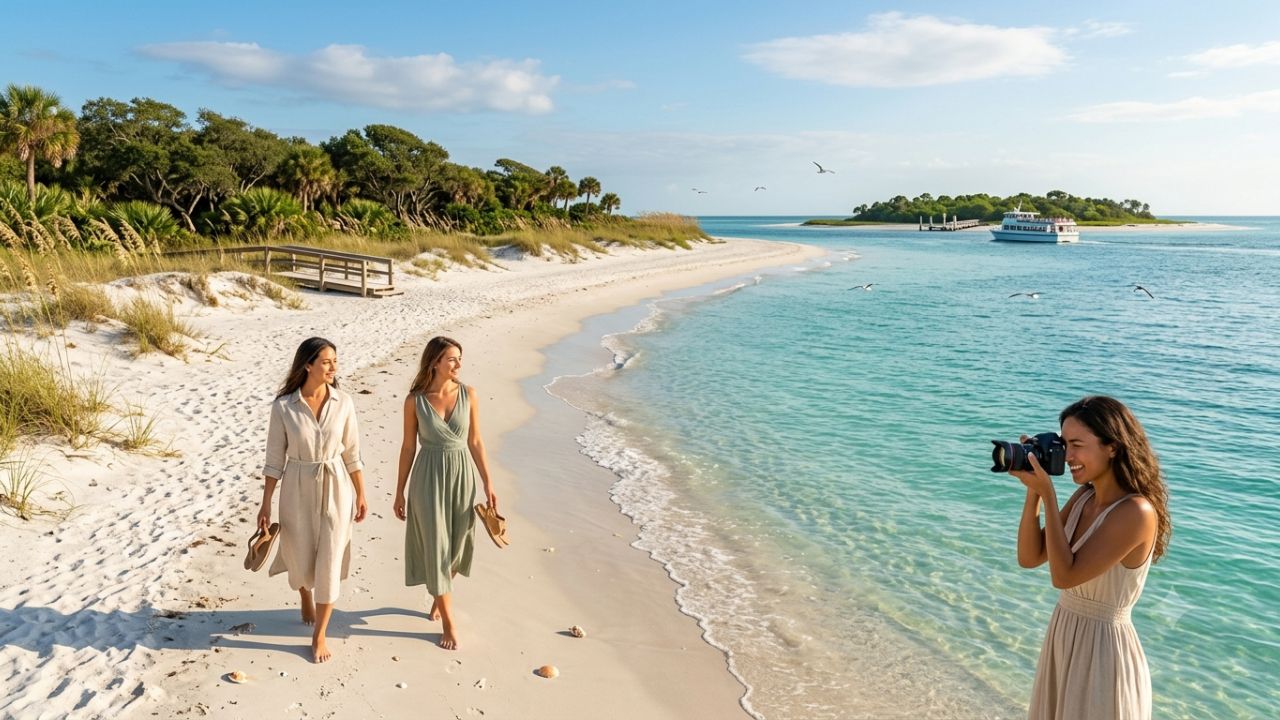
Florida's protected barrier islands and coastal reserves offer tranquil escapes from high-density resort corridors.
While Florida welcomed a staggering 143.3 million visitors in 2025 and an additional 39.88 million arrivals in the first quarter of 2026, an increasing wave of domestic and international travelers is seeking tranquil alternatives to the state's commercial resort corridors. Beyond the bustling hotel strips of Miami Beach and Daytona, the Sunshine State harbors an expansive network of protected barrier islands, federal seashores, and wildlife sanctuaries where rolling sand dunes, maritime hammocks, and uncrowded shorelines take center stage.
From the deserted quartz-sand beaches of the Forgotten Coast to the coral ramparts of Dry Tortugas National Park, discovering Florida's natural coastline requires specialized transit planning, ferry reservations, and awareness of state park conservation rules.
Florida's Premier Secluded Beaches and Coastal Sanctuaries
Whether navigating tranquil Gulf waters by passenger ferry or taking scenic highway drives along the Panhandle, these seven coastal destinations deliver raw natural beauty far removed from beachfront high-rises.
| Destination | Coastal Region | Admission / Ferry Access | Defining Attractions & Highlights |
|---|---|---|---|
| St. George Island State Park | Northwest Florida (Forgotten Coast) | $6 per vehicle | 9 miles of undeveloped beaches, sugary dunes, and birdwatching |
| Caladesi Island State Park | Central Gulf Coast (Dunedin) | $20 adult / $10 child ferry | Accessible only by ferry from Honeymoon Island; mangrove kayak trails |
| Canaveral National Seashore | Atlantic Space Coast | $25 per vehicle (7-day pass) | 24 miles of wild coastline, sea turtle nesting, Playalinda & Apollo beaches |
| Dry Tortugas National Park | Florida Keys (70 miles west of Key West) | $15 park fee + ferry/seaplane | Historic 19th-century Fort Jefferson, pristine coral reef snorkeling |
| Gasparilla Island State Park | Southwest Florida (Boca Grande) | $3 per vehicle + toll causeway | Historic 1890 Port Boca Grande Lighthouse, world-class shelling, tarpon fishing |
| Navarre Beach Marine Park | Florida Panhandle (Santa Rosa Island) | Free public beach access | Uncrowded Gulf waters, Florida's longest pier (1,545 ft), marine sanctuary |
| Don Pedro Island State Park | Southwest Florida (Charlotte County) | $3 per vehicle (dock access restricted) | Pristine barrier-island shelling; accessible primarily via private boat/kayak |
International Source Markets Powering Coastal Dispersal
According to VISIT FLORIDA, international arrivals are increasingly diversifying their itineraries by pairing theme parks and city breaks with regional coastal excursions.
| International Source Country | 2025 Florida Visitation | Key Travel Pattern & Demographic Focus |
|---|---|---|
| Canada | 3.2 million | Long-stay snowbirds seeking peaceful Gulf Coast retreats and nature trails |
| Brazil | 1.3 million | High-spending Latin American travelers combining Miami luxury with Keys ecotourism |
| United Kingdom | 1.2 million | Families combining Central Florida theme parks with Gulf barrier island getaways |
| Colombia | 655,000 | Eco-conscious travelers exploring coastal state parks, kayaking, and national seashores |
| Mexico | 613,000 | Rising demand for road trips across the Panhandle, Santa Rosa, and Space Coast |
Top Island and Secluded Beach Highlights
1. Caladesi Island State Park: Gulf Coast Solitude
Located off the coast of Dunedin, Caladesi Island is one of the few completely undeveloped barrier islands along Florida’s urbanized Central Gulf Coast. Reached via a 20-minute passenger ferry departing from Honeymoon Island State Park, Caladesi features three miles of natural shoreline, a three-mile mangrove paddling trail, and a nature trail winding through virgin slash pine forests. Note that while day visitors are welcome, overnight marina berthing is currently restricted.
2. Dry Tortugas National Park: Remote Fortifications and Coral Reefs
Sitting 70 miles west of Key West in the Gulf of Mexico, Dry Tortugas is among the most remote national parks in the United States. Accessible solely by the official Yankee Freedom catamaran ferry or private charter seaplanes, the park encompasses seven small coral keys dominated by Fort Jefferson—the largest brick masonry structure in the Western Hemisphere. Visitors enjoy world-class shallow-water snorkeling along the fort's moat wall and pristine coral beds teeming with sea turtles and tropical fish.
3. Canaveral National Seashore: Atlantic Wilderness
Spanning 57,000 acres along Florida’s Space Coast, Canaveral National Seashore protects the longest expanse of pristine Atlantic beach in the state. Divided into the northern Apollo Beach entrance (near New Smyrna Beach) and the southern Playalinda Beach entrance (near Titusville), the reserve provides crucial nesting grounds for thousands of loggerhead, green, and leatherback sea turtles between May and October. Visitors can also witness rocket launches from the Kennedy Space Center directly from the sand.
4. The Forgotten Coast: St. George Island & Cape San Blas
Stretching along Franklin and Gulf counties in northwest Florida, the "Forgotten Coast" lives up to its name with zero high-rises and wide-open spaces. St. George Island State Park occupies the eastern end of a 28-mile barrier island, offering nine miles of pristine sand dunes, maritime forest campsites, and calm Gulf waters. Nearby, Cape San Blas offers horseback riding along the beach, though travelers should monitor ongoing restoration work at T.H. Stone Memorial St. Joseph Peninsula State Park following temporary operational updates in October 2026.
Practical Planning Guidelines for Remote Coastal Escapes
To maximize a secluded coastal trip in Florida, travelers should observe several key logistical best practices:
- Reserve Concession Ferries Far in Advance: Ferries to Dry Tortugas (Yankee Freedom) routinely sell out 4 to 6 months ahead; book transport before locking in non-refundable lodging in Key West.
- Pack Pack-In, Pack-Out Supplies: Unlike commercial resort beaches, remote parks like Canaveral National Seashore and Caladesi Island offer limited or zero food concessions; bring ample drinking water, reef-safe sunscreen, and snacks.
- Respect Seasonal Wildlife Regulations: From May through October, Florida's beaches host nesting sea turtles and shorebirds; artificial flashlights and disturbance of marked dune nests are strictly illegal under state and federal law.
- Verify Post-Storm Park Advisories: Coastal state parks frequently issue dynamic notices regarding boardwalk repairs, dock access, or low-tide marina access; check official Florida State Parks bulletins before setting out.
Related Travel Guides
- UNDP Warns Compounding Fuel, Food Inflation and 9.5% Debt Burden Threaten Uzbekistan, Kenya, and Emerging Economies
- Road Tripping Costa Rica's Caribbean Coast: The Ultimate Cahuita to Puerto Viejo Travel Guide
- Taiwan Expands US Tourism Footprint With Portland Marathon Partnership and Wellness Campaigns
Frequently Asked Questions
What is the most secluded beach in Florida to visit?
Dry Tortugas National Park (70 miles west of Key West) and St. George Island State Park along the Forgotten Coast rank among Florida's most isolated and pristine beaches.
How do you get to Caladesi Island State Park?
Caladesi Island is accessible via an authorized passenger ferry departing daily from neighboring Honeymoon Island State Park, costing $20 for adults and $10 for children.
Do you need advance reservations to visit Dry Tortugas?
Yes. The commercial passenger ferry from Key West (Yankee Freedom) and authorized seaplane charters routinely book up several months in advance, making early reservations mandatory.
Are there entrance fees for Florida's coastal state parks?
Most Florida coastal state parks charge vehicle entrance fees ranging from $3 to $6, while Canaveral National Seashore charges $25 per private vehicle for a seven-day pass.
Disclaimer
This article is for informational and educational purposes only. It does not constitute legal, financial, or professional advice. While we strive to provide accurate and up-to-date information, travel policies, regulations, and conditions change rapidly. Always verify information with official sources before making travel decisions. Nomad Lawyer makes no representations about the accuracy, reliability, completeness, or suitability of the information provided. Readers should consult qualified professionals for advice specific to their circumstances. The views expressed in this article are those of the author and do not necessarily reflect the views of Nomad Lawyer.
Naina Thakur
Contributor & Travel Specialist
Travel enthusiast and legal writer covering visa regulations, responsible tourism, and cultural journeys across global destinations.
Learn more about our team →