
Spain Is Quietly Fixing Overtourism Through Walking Tourism And Why Your Next Trip Needs This Slow Movement, Find Out Now
Spain Is Quietly Fixing Overtourism Through Walking Tourism And Why Your Next Trip Needs This Slow Movement, Find Out Now

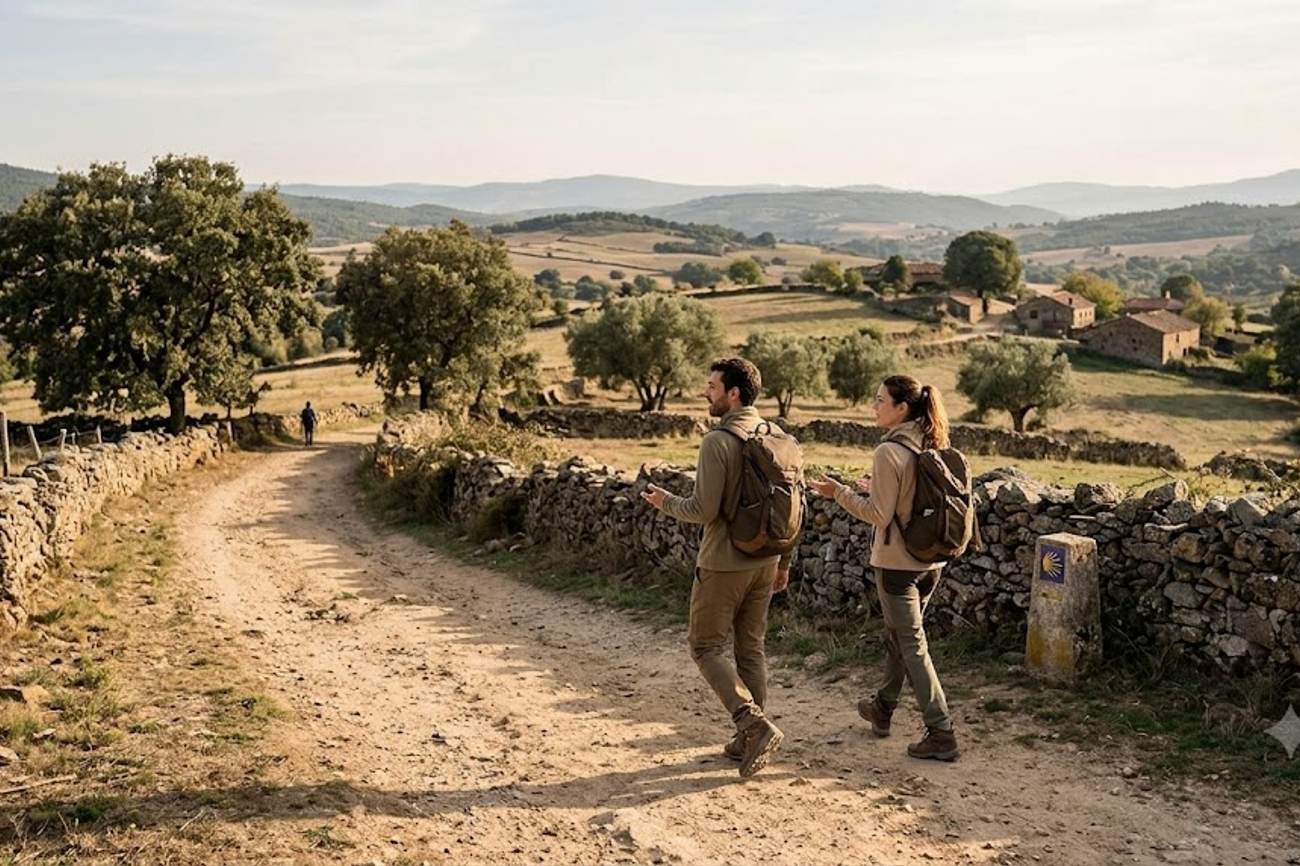
Image generated by AI
Are you planning to swap high-speed rail for hiking boots in Spain? If you are looking to escape the congestion of Madrid and Barcelona to explore the Iberian Peninsula on foot, you need a specific logistics strategy to navigate the transition from urban hubs to rural trail networks.
The Shift to Pedestrian-Centric Transit
Spain is currently managing a massive influx of over 96.8 million international arrivals. To combat the resulting urban strain, the national tourism strategy is pivoting toward "slow travel." For the traveler, this means a shift in logistics: instead of relying on the AVE high-speed network for point-to-point transit, the focus is moving toward decentralized, foot-based exploration. This transition is designed to move visitor volume away from overcrowded city centers and into rural economies, specifically targeting historic networks and regional pathways.
Regional Trail Networks and Economic Impact
The movement toward pedestrian tourism is not merely ecological; it is a structured economic shift. The Camino de Santiago alone generates an estimated annual direct economic impact exceeding 500 million euros. By utilizing these routes, travelers shift their spending from corporate hotel chains to family-run guesthouses and local artisans.
| Route/Region | Primary Topography | Key Logistics Focus | Economic Status |
|---|---|---|---|
| Camino de Santiago | Diverse/Rural | Waymarking & Albergues | High Impact (>500M€/yr) |
| Andalusia Trails | Rugged/Sun-drenched | Heat Management/Water Access | Growing |
| Pyrenees Peaks | High Altitude/Alpine | Technical Gear/Seasonal Access | Stable |
| Canary Islands Paths | Subtropical/Volcanic | Micro-climate Navigation | Emerging |
Traveler Logistics Guide
Transitioning from a traditional itinerary to a walking-based journey requires a different approach to booking and gear. Follow these steps to optimize your transit:
1. Route Selection and Digital Mapping Do not rely solely on printed maps. Use official regional resources and digital tools to track trail maintenance and closures. For those entering Spain via major hubs, check the Spanish National Tourist Office for updated regional guidelines on pedestrian corridors.
2. Baggage Strategy: The "Luggage Transfer" Model To maximize the pedestrian experience without compromising health, utilize local luggage transfer services. These services move your main suitcase from one guesthouse to the next daily, allowing you to carry only a small daypack. This is the standard operating procedure for the Camino de Santiago and is becoming available in Andalusia.
3. Accommodation Logistics Shift your booking strategy from centralized hotels to Albergues (hostels) or Casas Rurales (rural homestays). In peak seasons, these fill quickly. I recommend booking your first and last three nights in advance, then utilizing local networks for the mid-route segments to maintain flexibility.
4. Ground Transport Connections To reach the start of rural trails, you will often need to combine high-speed rail with regional buses. Use Renfe for the long-haul leg to the nearest provincial city, then coordinate local bus transfers to the trailheads. Always verify the last bus departure time from rural villages, as schedules are significantly less frequent than in urban centers.
5. Customs and Health Requirements While there are no internal customs checks within Spain, ensure your travel insurance specifically covers "hiking" or "trekking," as standard tourist policies sometimes exclude high-altitude activities in the Pyrenees.
Regional Connectivity Impact
The promotion of walking tourism is fundamentally reshaping how travelers move across the Iberian Peninsula. By diverting traffic from the Madrid-Barcelona axis, the pressure on municipal water supplies and urban housing markets is reduced. For the traveler, this means easier access to authentic cultural sites and shorter queues at regional landmarks.
The investment in trail maintenance and digital resources is transforming remote villages into viable transit nodes. Where once a village was a mere blur seen from a train window, it is now a destination with established hospitality infrastructure. This decentralization allows you to experience indigenous culinary traditions and heritage sites that are completely inaccessible via standard tour bus itineraries.
FAQ: Spain Pedestrian Transit 2024
Do I need a special permit to walk the Camino de Santiago? You do not need a permit to walk, but you must obtain a "Credencial" (Pilgrim's Passport) to stay in official Albergues and receive the Compostela certificate upon completion.
How long should a typical layover be when switching from AVE trains to regional buses? Allow at least 2 to 3 hours. Regional bus schedules in rural Spain are less frequent and less punctual than the high-speed rail network.
Can I check my bags through to a rural trail destination? No. You must collect your luggage at the final rail station and then coordinate with a third-party luggage transfer service to move your gear between trail accommodations.
Trade the speed of the rail for the rhythm of the road.
#CaminoDeSantiago2024 #IberianTrailLogistics #SpainSlowTravel #PyreneesTrekking #AndalusiaPedestrianRoutes
Related Travel Guides
- Munich Travel Secrets Reveal Why Majestic Nymphenburg Palace And Hidden Royal Gardens Beat Busy Festival Crowds Every single Time
- Sweden Connects United Kingdom and More European Countries to Arctic Trains, Christmas Markets and Ski Escapes in 2026
- Spain Leads the Way Alongside Poland and Five Global Destinations as Budget Travel Takes a New Turn With Reported Savings of Up to 66% in 2026
Disclaimer
This article is for informational and educational purposes only. It does not constitute legal, financial, or professional advice. While we strive to provide accurate and up-to-date information, travel policies, regulations, and conditions change rapidly. Always verify information with official sources before making travel decisions. Nomad Lawyer makes no representations about the accuracy, reliability, completeness, or suitability of the information provided. Readers should consult qualified professionals for advice specific to their circumstances. The views expressed in this article are those of the author and do not necessarily reflect the views of Nomad Lawyer.
Kunal K Choudhary
Co-Founder & Contributor
A passionate traveller and tech enthusiast. Kunal contributes to the vision and growth of Nomad Lawyer, bringing fresh perspectives and driving the community forward.
Learn more about our team →