
Florence Plans Major Expansion of Airbnb Curbs Beyond Historic Centre
Florence tripled its short-term rental restrictions in 2026, expanding Airbnb bans far beyond the historic centre. This sweeping policy affects tens of thousands of homes as Italy tackles Europe's housing crisis.

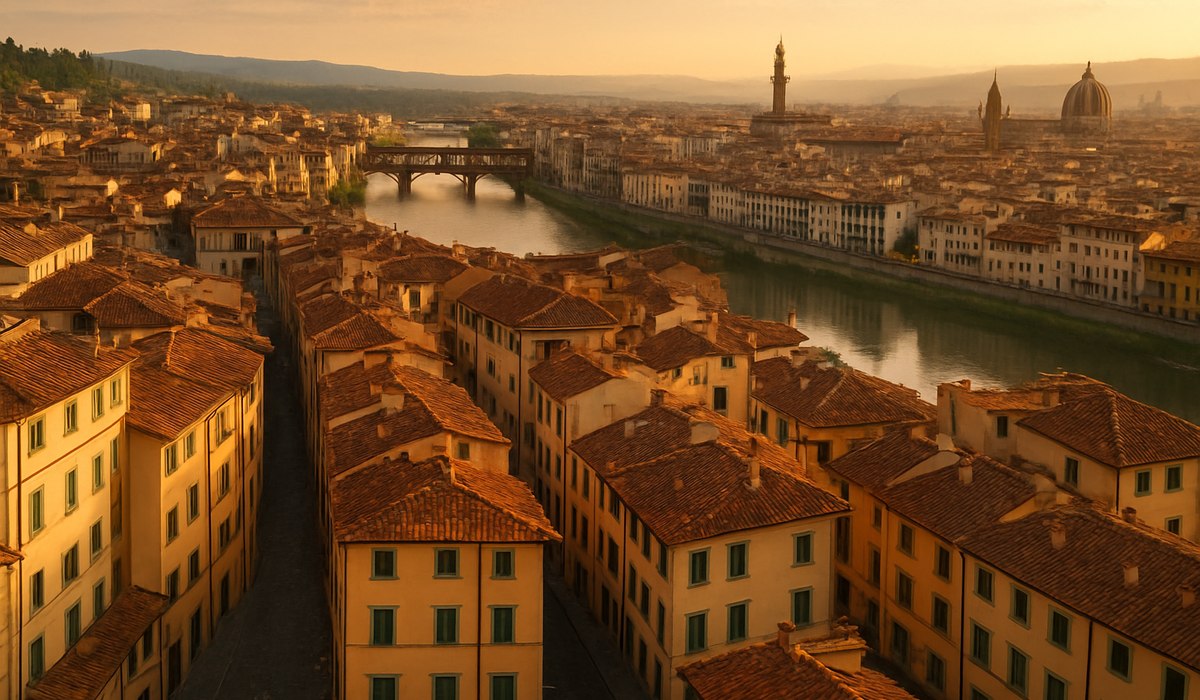
Image generated by AI
Florence Plans Major Short-Term Rental Restrictions Across the City
Florence is implementing sweeping new regulations to curb short-term tourist rentals far beyond its historic centre. The Italian city announced plans to nearly triple the number of homes subject to Airbnb restrictions, marking one of Europe's most aggressive responses to housing affordability crises. The expansion targets neighborhoods across Florence's broader metropolitan area, not just the UNESCO World Heritage core. City officials frame the initiative as essential protection for residential communities facing displacement from tourism-driven speculation. The policy takes effect immediately, affecting thousands of property owners and reshaping how travelers can book accommodations throughout the region.
Florence's Ambitious Airbnb Expansion Ban
The expansion represents Florence's boldest move yet to reclaim residential space from the short-term rental economy. Previously, restrictions concentrated on the historic centre, allowing nearby neighborhoods relative freedom. The new framework extends bans to surrounding districts where locals increasingly struggle to find affordable housing. Florence's administration emphasizes that tourism cannot supersede citizens' rights to stable, affordable residential communities. Municipal authorities conducted extensive consultations with neighborhood associations before drafting the expanded regulations. The measure requires owners to secure explicit permits for any short-term rentals, with most applications expected to face rejection. Officials estimate the policy will remove approximately 30,000 to 40,000 units from the tourist accommodation market, fundamentally altering Florence's tourism infrastructure. Learn more about Italy's housing policies through Reuters coverage.
Impact on Housing Availability and Local Communities
Housing advocates celebrate the expansion as a necessary intervention in Florence's escalating affordability crisis. Residential rents have climbed 15-25% over the past three years as Airbnb transformed historic neighborhoods into tourist enclaves. Families increasingly relocate to outer suburbs, fragmenting communities and straining public services. The policy aims to return approximately 35,000 units to long-term rental markets, stabilizing neighborhood demographics. Local residents report that entire apartment blocks now function as pseudo-hotels, with constant turnover disrupting community cohesion. Florence's university also struggled to house students as dormitory alternatives vanished into the Airbnb economy. The expansion directly addresses these documented harms by prioritizing residents over transient visitors. Community organizations in affected neighborhoods have endorsed the measure, citing improved social stability prospects. Housing prices have already shown modest decline in districts where preliminary restrictions took effect. The policy reflects broader European recognition that unregulated short-term rentals undermine urban livability.
Tourism Industry Pushback and Economic Concerns
Hospitality businesses and property owners fiercely oppose the expansion, arguing it threatens economic viability. Tourism generates approximately 12% of Florence's regional GDP, supporting over 40,000 jobs directly and indirectly. Hotel operators claim that Airbnb restrictions will simply shift demand to unlicensed accommodations rather than solving housing problems. Small investors who purchased properties specifically for short-term rental income face significant financial losses. Affected owners argue the regulations constitute unfair retroactive punishment for legal investments made under previous rules. Tourism boards warn that reduced accommodation diversity may push budget-conscious travelers toward competing destinations like Rome or Barcelona. The hospitality sector has launched legal challenges, alleging constitutional violations and inadequate compensation provisions. Some economists counter that tourism-dependent economies require diversification, and short-term rentals represent unsustainable growth models. Florence's mayor acknowledged legitimate business concerns but maintained that housing accessibility supersedes commercial interests. The standoff reflects fundamental tensions between tourism development and urban livability across Mediterranean cities.
What Digital Nomads Need to Know
Digital nomads and extended visitors face significant changes when planning Florence stays in 2026 and beyond. Traditional hotels now represent the primary accommodation option, with prices typically 20-40% higher than premium Airbnb listings. Several boutique hotel chains have expanded operations to capture displaced demand, offering longer-term corporate rates. Coworking spaces have proliferated throughout the city, providing professional infrastructure for remote workers. Neighborhoods outside the restriction zone, including Oltrarno and Sant'Ambrogio, still permit limited short-term rentals through licensed operators. Travelers should book accommodations immediately, as availability during peak seasons now approaches capacity levels. Alternative cities like Siena, Pisa, and Montepulciano within 100km offer less restrictive rental environments. Digital nomads considering multi-month stays should contact licensed property management companies for long-term arrangements. University housing programs occasionally accept short-term tenants during summer breaks. Planning flexibility becomes essential, as last-minute bookings may prove impossible during festival seasons like Easter and May festivities.
Key Data on Florence's Airbnb Restrictions
| Metric | Previous Policy | Expanded Policy | Change |
|---|---|---|---|
| Affected Properties | ~12,000 units | ~40,000 units | +233% increase |
| Geographic Coverage | Historic centre only | City-wide districts | Triple expansion |
| Implementation Timeline | Phased over 12 months | Immediate effect | Accelerated enforcement |
| Expected Hotel Rate Increase | Variable | 20-40% premium | Market adjustment |
| Tourist Arrivals Projection | 3.2M annually | 2.8M annually | -12% estimated decline |
| Long-term Rental Recovery | 8,000-10,000 units | 30,000+ units | Major housing gain |
| Legal Challenges Filed | 127 cases | 340+ cases pending | Significant litigation |
What This Means for Travelers
The Florence restrictions fundamentally reshape travel planning for visitors considering extended stays. Here are actionable strategies:
-
Book hotels immediately for your Florence visit, as Airbnb availability has contracted sharply. Licensed hotels now dominate the accommodation market across all price points.
-
Consider alternative accommodation models like furnished apartment rentals through licensed property managers or corporate housing platforms, which remain legally operational.
-
Explore nearby communities like Siena, Lucca, or smaller Tuscan towns with less restrictive policies. Regional trains connect these destinations within 30-90 minutes of Florence.
-
Plan visits during shoulder seasons (April, May, September, October) to secure better hotel rates and avoid peak tourism competition.
-
Verify accommodation legality before booking any short-term rental by checking municipal licensing databases. Unlicensed accommodations risk sudden cancellation without refund.
-
Budget for higher costs by allocating 25-40% additional funds for lodging compared to previous Airbnb-dependent pricing models.
Frequently Asked Questions
Can I still find Airbnb listings in Florence in 2026?
Limited listings remain in restricted zones through licensed operators and some grandfather-clause properties. Most new short-term rentals are prohibited. Licensed alternatives and hotels now dominate Florence's accommodation landscape, offering legal certainty and regulatory compliance guarantees.
Which Florence neighborhoods still permit short-term rentals?
Outer districts including Oltrarno, Cascine, and Campo di Marte maintain limited short-term rental permissions. However, properties must obtain municipal licenses and comply with occupancy restrictions. Always verify licensing status through Florence's municipal housing authority before booking.
How much will hotel prices increase due to these restrictions?
Industry analysts project 20-40% price increases for comparable accommodations. Budget hotels now average €80-120 per night, while mid-range properties command €130-220. Premium establishments have implemented dynamic pricing reflecting reduced supply and elevated demand levels.
Are there legal alternatives for multi-month stays?
Furnished apartment rentals through licensed property management companies, corporate housing platforms, and university partnerships remain legal options. These typically require longer minimum stays (30-90 days) but offer residential stability and competitive monthly rates.
Related Travel Guides
- Travel Tribeca Festival Turns 25: Tech Innovation Reshapes NYC Film Tourism
- Canada Boeing Routes: Air Canada Retires 450-Seat 777s for 440-Seat Fleet
- [American Airlines & Delta Chaos: Chemical Smell Halts FAA Facility, Ground Stops at DC-Area Airports](/american-airlines-delta-chaos-faa-facility-chemical-2026)
Disclaimer
This article is for informational and educational purposes only. It does not constitute legal, financial, or professional advice. While we strive to provide accurate and up-to-date information, travel policies, regulations, and conditions change rapidly. Always verify information with official sources before making travel decisions. Nomad Lawyer makes no representations about the accuracy, reliability, completeness, or suitability of the information provided. Readers should consult qualified professionals for advice specific to their circumstances. The views expressed in this article are those of the author and do not necessarily reflect the views of Nomad Lawyer.
Raushan Kumar
Founder & Lead Developer
Full-stack developer with 11+ years of experience and a passionate traveller. Raushan built Nomad Lawyer from the ground up with a vision to create the best travel and law experience on the web.
Learn more about our team →