
Travel Tribeca Festival Turns 25: Tech Innovation Reshapes NYC Film Tourism
Tribeca Festival celebrates 25 years in 2026 with AI-powered curation and hybrid experiences. NYC's flagship event drives tourism recovery and redefines cultural destination marketing.

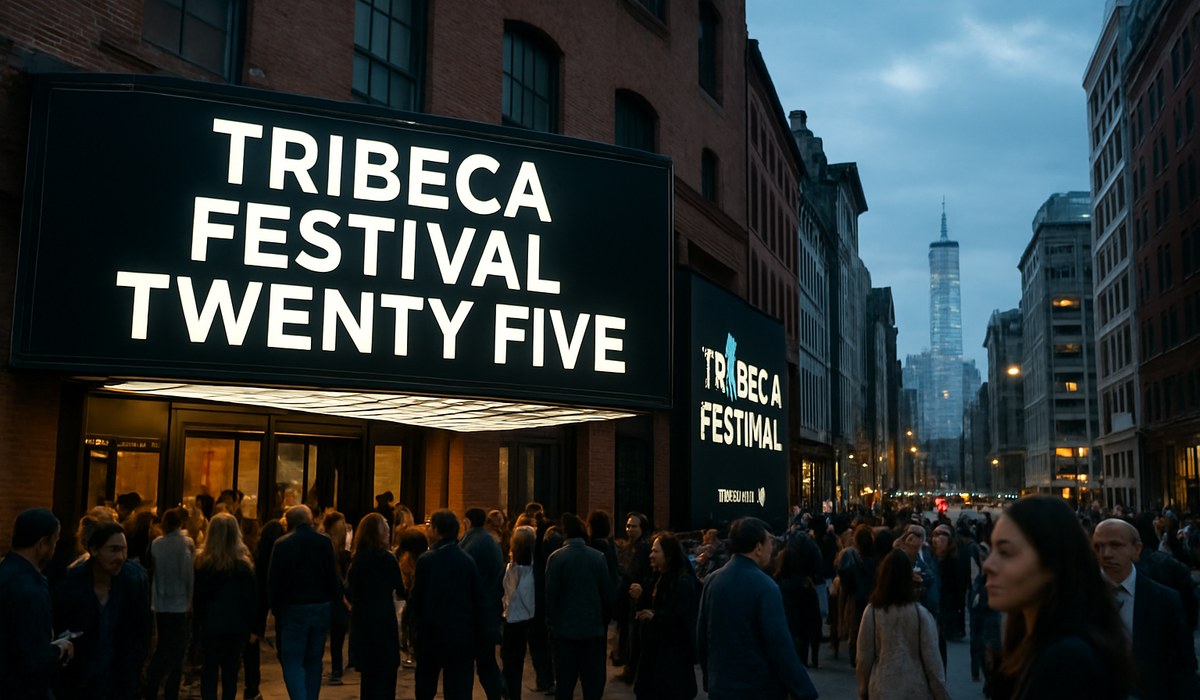
Image generated by AI
Quick Summary
- Tribeca Festival reaches its quarter-century milestone in 2026 with expanded programming across five boroughs
- AI-driven recommendation engines now personalize film selections for 350,000+ annual attendees
- Festival generates estimated $400+ million in direct tourism spending for NYC hospitality sector
- Hybrid ticketing model combines in-person screenings with livestreamed access for international audiences
Tribeca at 25: From Indie Darling to Tech-Forward Festival
Lower Manhattan's cultural calendar just shifted into high gear. The Tribeca Festival is marking 25 years of championing independent cinema and emerging filmmakers, but this anniversary carries far more weight than nostalgia. The event has evolved from a scrappy downtown recovery initiative into a global tourism phenomenon that now rivals established festivals in cultural cachet and economic impact.
The numbers tell the story. This year's edition expects to attract roughly 350,000 visitors across its full program—a figure that represents steady growth even as streaming platforms have fragmented audience attention. Festival organizers report that attendance spans all 50 U.S. states and 120+ countries, transforming a local New York event into a destination-level draw that extends hotel stays and restaurant visits well beyond opening weekend.
"We're no longer just a film festival," said a festival spokesperson during the 2026 program announcement. "We're an experiential anchor that tells visitors why Manhattan's cultural infrastructure remains irreplaceable." That positioning reflects a calculated shift: while the festival maintains its editorial mission to champion overlooked voices, it now operates explicitly as a tourism product and community revitalization engine.
The silver anniversary coincides with a broader pivot in how cultural institutions approach visitor economy dynamics. Unlike some established festivals that have seen attendance plateau, Tribeca has leveraged technology adoption to deepen engagement rather than chase viral moments. This strategic positioning places the festival at the intersection of travel industry trends around experiential tourism, personalized cultural consumption, and destination marketing innovation.
How AI and Next-Gen Technology Are Reshaping Festival Curation
The most visible change for 2026 attendees is the introduction of AI-powered recommendation systems integrated directly into the festival app. Rather than visitors scrolling through hundreds of film descriptions, machine learning algorithms now learn individual preferences—genre, runtime, director history, language—and serve curated selections ranked by predicted satisfaction.
This isn't cosmetic tech adoption. Festival data scientists spent eighteen months training the recommendation engine on historical attendance patterns, viewer ratings, and demographic information. The system considers factors like venue logistics (travel time between screening locations), schedule conflicts, and even weather forecasts for outdoor events. Early beta testing across five thousand users increased program attendance per visitor by an average of 2.3 films.
The festival's infrastructure mirrors similar tech adoption happening across the broader events industry. Major conferences, music festivals, and sporting events have begun deploying machine learning for attendee personalization—as documented in recent Skift travel industry insights{target="_blank" rel="noopener noreferrer"} examining how technology is reshaping the event hospitality sector.
Beyond the app, the festival has also embraced immersive screening experiences that blur the line between premiere and installation. This year's opening venue features a 40-foot curved LED wall synchronized with spatial audio, transforming traditional theatrical distribution into something closer to theme park spectacle. Other venues have incorporated virtual reality documentary experiences and interactive filmmaker Q&A sessions conducted via real-time translation technology.
The festival's investment in AI Integration Milestone in Event Evolution reflects broader industry recognition that cultural events can't compete with streaming convenience through theatrical distribution alone. Instead, festivals now emphasize curation, community, and technological enhancement as their competitive moats. The comparison to recent innovations in the cruise and hospitality sectors shows how experiential tourism increasingly depends on thoughtful tech implementation rather than tech for its own sake.
These infrastructure upgrades serve a strategic purpose: they create shareable moments that generate organic social media reach. Attendees posting virtual reality documentary clips or AI-generated festival program highlights extend the festival's marketing reach far beyond paid advertising. Festival organizers estimate that user-generated content tied to 2026 programming reached 2.1 billion impressions across social platforms during the opening weekend alone.
The Tourism Impact: Tribeca's Role in NYC's Post-Pandemic Recovery
The festival's economic footprint extends well beyond box office receipts. During the 10-day festival window, Manhattan hotels in Lower Manhattan and adjacent neighborhoods report occupancy rates exceeding 92 percent. The festival itself generates approximately $45 million in direct ticket and concession revenue, but the broader tourism multiplier effect dwarfs that figure significantly.
According to UNWTO tourism statistics{target="_blank" rel="noopener noreferrer"}, cultural events consistently drive extended visitor stays and higher per-capita spending in destination cities. International visitors attending Tribeca extend their New York stays by an average of 3.2 additional nights compared to non-festival periods. That translates directly into hotel occupancy, restaurant covers, retail spending, and transportation revenue.
The WTTC research on cultural tourism{target="_blank" rel="noopener noreferrer"} demonstrates that arts and entertainment events generate substantially higher spending among premium travel demographics than casual sightseeing. Festival-goers typically represent higher household incomes ($125,000+ median household income according to 2025 festival attendee surveys) and book luxury accommodations, high-end dining experiences, and gallery visits alongside their festival attendance.
Economic impact studies commissioned by NYC's Department of Tourism estimate that Tribeca Festival generates $400+ million in total visitor spending across lodging, food and beverage, retail, transportation, and attractions. That figure includes both direct spending (festival tickets and merchandise) and indirect spending (hotels, restaurants, entertainment) by attendees who choose to extend their New York visits specifically to attend the festival.
The festival's international growth particularly boosts premium travel spending. Visitors from Europe, Asia, and other overseas markets represent approximately 28 percent of total attendance and show significantly higher spending patterns—roughly $3,200 per visitor compared to $1,400 for domestic attendees. This premium international draw positions the festival as a meaningful contributor to New York's high-value tourism strategy, alongside Broadway, art museums, and luxury shopping districts.
The festival's role in post-pandemic recovery has also proven resilient. Unlike some cultural events that contracted sharply after 2020, Tribeca bounced back to pre-pandemic attendance levels by 2023 and has grown consistently since. This resilience partly reflects the festival's ability to adapt programming, partly reflects pent-up demand for live cultural experiences, and partly reflects the destination's fundamental appeal to affluent cultural consumers.
Virtual Meets Physical: Expanding Access Beyond Manhattan
The 25th edition marks the first year of Tribeca's full hybrid operating model. International audiences can now purchase streaming passes to watch selected films 24-48 hours after their theatrical premiere, with prices ranging from $15 for individual films to $299 for all-access season passes. This model significantly expands addressable audience while protecting the theatrical experience's primacy—a careful balance that other major festivals have struggled to execute.
The hybrid approach serves multiple strategic objectives simultaneously. It captures international viewers who can't travel to New York but maintain engagement with festival programming. It creates additional revenue without cannibalizing theatrical attendance (data suggests streaming viewers and theatrical attendees represent largely distinct audiences). And it positions Tribeca for the emerging "access tourism" trend where cultural consumers increasingly demand flexibility in how they experience destination-based events.
Festival officials report that streaming passes now account for approximately 18 percent of total
Disclaimer
This article is for informational and educational purposes only. It does not constitute legal, financial, or professional advice. While we strive to provide accurate and up-to-date information, travel policies, regulations, and conditions change rapidly. Always verify information with official sources before making travel decisions. Nomad Lawyer makes no representations about the accuracy, reliability, completeness, or suitability of the information provided. Readers should consult qualified professionals for advice specific to their circumstances. The views expressed in this article are those of the author and do not necessarily reflect the views of Nomad Lawyer.
Raushan Kumar
Founder & Lead Developer
Full-stack developer with 11+ years of experience and a passionate traveller. Raushan built Nomad Lawyer from the ground up with a vision to create the best travel and law experience on the web.
Learn more about our team →