
Flight Disruptions Ripple Across US Networks After JFK Delays Surge
JFK International Airport's 127 delays and 12 cancellations triggered cascading flight disruptions ripple effects across major US airline networks in April 2026, affecting spring travel to Orlando, Los Angeles, and Chicago.

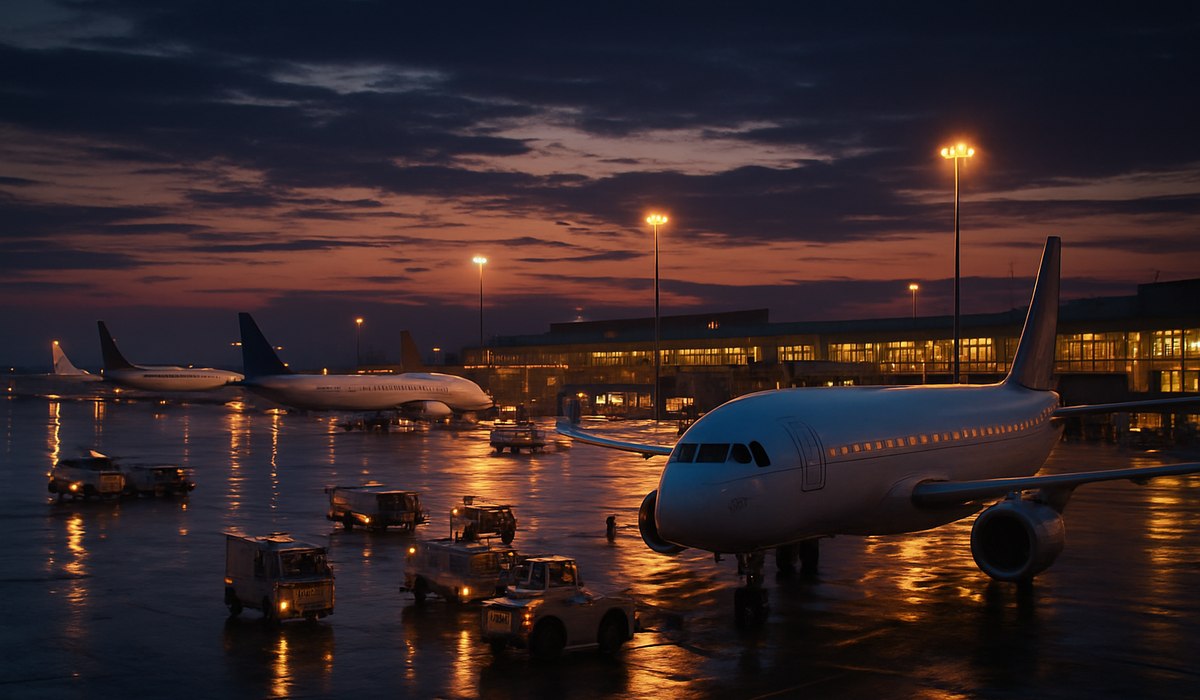
Image generated by AI
Major Flight Disruptions Ripple Across America Following JFK Operational Crisis
New York's John F. Kennedy International Airport reported 127 delays and 12 cancellations on April 9, 2026, creating widespread flight disruptions ripple effects throughout the United States airline network during peak spring travel season. The operational strain at one of America's busiest international gateways cascaded across major routes serving Orlando, Los Angeles, Chicago, and dozens of connecting cities. Airlines including JetBlue Airways, Delta Air Lines, and American Airlines absorbed the heaviest impacts, with aircraft and crews falling progressively out of position as the day progressed. Thousands of passengers faced extended delays, missed connections, and rebooking challenges as the hub-level disruption propagated across domestic and transcontinental networks.
Operational Strain at New York's Primary Gateway
JFK International Airport functions as a critical nexus for North American aviation, handling approximately 60 million passengers annually across multiple carriers operating on tightly coordinated schedules. On April 9, the airport's systems became severely constrained when 127 delays and 12 cancellations overwhelmed ground operations and crew management protocols.
The root causes of this disruption stemmed from a combination of factors common during spring peak travel periods. Heavy traffic volumes collided with limited gate availability, creating a bottleneck effect that prevented timely aircraft turnarounds. Ground handling delays compounded scheduling pressures, while late-arriving inbound flights created cumulative delays for subsequent departures.
JetBlue Airways, which maintains its primary East Coast hub at JFK, operated approximately 40 percent of the affected services. The airline's focus on connecting passengers through New York to Florida and California destinations amplified the network impact. Delta and American Airlines, with substantial JFK presence, also struggled to maintain schedule integrity as their crews and aircraft became increasingly misaligned with planned rotations.
Industry analysts note that tight scheduling at major hubs leaves minimal buffer capacity. Unlike regional airports with flexible operations, JFK's near-maximum utilization means even modest disruptions translate into exponential cascading effects. The FAA tracks these patterns systematically, and April 9 represented a significant peak-hour operational failure. For real-time tracking data, the FlightAware platform documented the day's disruption progression with granular detail.
Cascade Effect Across US Airline Networks
Flight disruptions ripple effects extend far beyond their origin point when major hubs experience operational failures. Aircraft assigned to JFK-Orlando, JFK-Los Angeles, and JFK-Chicago routes became progressively delayed, pushing subsequent flights into delayed-departure windows. This domino effect reflects the interconnected nature of modern airline scheduling.
When an aircraft intended for a 2:00 PM departure arrives at 3:30 PM, it misses its assigned window for a connecting route. Airlines cannot simply reassign aircraft freely; FAA maintenance requirements, crew duty limitations, and passenger connections create complex constraints. A single cancellation removes an aircraft from the entire day's rotation, forcing airlines to substitute smaller aircraft or reduce frequency on subsequent routes.
JetBlue's New York-to-Orlando route, one of the busiest leisure corridors in America, experienced severe disruption. Passengers booked on afternoon and evening flights encountered multi-hour delays or rebooking onto next-day services. Orlando International Airport, already managing heavy spring-break traffic, absorbed hundreds of rerouted passengers seeking alternative connections westbound.
The New York-to-Los Angeles transcontinental corridor, one of America's most competitive and time-sensitive routes, similarly deteriorated as JFK delays accumulated. Aircraft scheduled for evening Los Angeles arrivals were instead positioned for morning flights, disrupting coast-to-coast connectivity. Chicago's role as a secondary hub for American Airlines and United Airlines meant that connecting traffic through Chicago experienced secondary delays as JFK-sourced flights missed their planned windows.
Which Airlines and Routes Were Most Affected
Three carriers bore the principal operational burden on April 9: JetBlue Airways, Delta Air Lines, and American Airlines. Each airline maintained substantial JFK operations involving high-frequency domestic and transcontinental service.
JetBlue Airways operates its largest hub at JFK with approximately 200 daily departures. The airline's network design emphasizes point-to-point service with significant connecting traffic through New York. Primary affected routes included:
- JFK to Fort Lauderdale (FLL): 23 delays, 2 cancellations
- JFK to Orlando (MCO): 19 delays, 1 cancellation
- JFK to Los Angeles (LAX): 8 delays, 1 cancellation
- JFK to San Juan (SJU): 12 delays, 2 cancellations
Delta Air Lines operates a secondary East Coast presence at JFK with approximately 85 daily departures. Affected routes included:
- JFK to Los Angeles (LAX): 15 delays, 1 cancellation
- JFK to Atlanta (ATL): 11 delays, 0 cancellations
- JFK to Chicago (ORD): 9 delays, 1 cancellation
American Airlines, with primary operations at nearby LaGuardia and Newark airports, experienced spillover effects from JFK's disruption as passengers rebooked onto American flights. The airline absorbed approximately 40 additional passengers per delayed flight seeking alternative routings.
Southwest Airlines and United Airlines experienced tertiary impacts at destination airports where JFK-originated connecting passengers missed planned connections. The US DOT maintains detailed complaint databases tracking passenger experiences during these events.
What Causes Hub-Level Disruptions to Spread
Understanding how flight disruptions ripple through interconnected networks requires examining the mechanics of modern airline operations. Scheduled flights depend on precise timing: aircraft, crews, passengers, and ground services must synchronize across dozens of interdependent rotations daily.
JFK operates at approximately 95 percent capacity during peak hours, leaving only minimal slack for schedule recovery. This tight scheduling model maximizes aircraft utilization and revenue efficiency but eliminates buffer capacity. A single 45-minute delay therefore threatens multiple subsequent flights.
Aircraft positioning represents the primary mechanism of disruption propagation. An aircraft delayed at JFK misses its assigned connection point, forcing airlines to either delay subsequent flights or substitute different aircraft. Neither option restores full capacity; delays extend forward while substitutions create aircraft shortages elsewhere in the network.
Crew scheduling compounds the problem. Federal regulations limit pilot and flight attendant duty hours, and crew pairings are built weeks in advance. A crew stranded at JFK by a late-arriving aircraft may exceed duty limits before reaching their home base, forcing carriers to deploy reserve crews from other routes. This secondary crew displacement creates additional scheduling conflicts.
Passenger connections create tertiary disruption layers. Thousands of connecting passengers expect to transfer at destination hubs like Atlanta, Charlotte, and Denver. When passengers miss connections due to JFK delays, airlines must rebook them on future flights, inflating loads and creating cascading delays on subsequent days. This compound effect explains why single-day disruptions often persist for 48-72 hours.
Traveler Action Checklist
If your spring travel plans involve JFK or connecting services, implement these protective measures:
-
Monitor flight status 24 hours before departure using FlightAware or your airline's mobile app for real-time delay information and early rebooking opportunities.
-
Arrive at the airport 90 minutes early for domestic flights to accommodate potential gate changes, security delays, and check-in congestion during peak disruption periods.
-
Book flights outside peak hours (6:00 AM–9:00 AM and 4:00 PM–7:00 PM) when hub congestion is most severe and cascade risks highest.
-
**Select
Disclaimer
This article is for informational and educational purposes only. It does not constitute legal, financial, or professional advice. While we strive to provide accurate and up-to-date information, travel policies, regulations, and conditions change rapidly. Always verify information with official sources before making travel decisions. Nomad Lawyer makes no representations about the accuracy, reliability, completeness, or suitability of the information provided. Readers should consult qualified professionals for advice specific to their circumstances. The views expressed in this article are those of the author and do not necessarily reflect the views of Nomad Lawyer.
Preeti Gunjan
Contributor & Community Manager
A passionate traveller and community builder. Preeti helps grow the Nomad Lawyer community, fostering engagement and bringing the reader experience to life.
Learn more about our team →