
JFK Delays Cascade Across U.S. Network During Spring Travel Surge
JFK airport's mounting spring delays are creating domino-effect disruptions across the U.S. domestic flight network during peak Easter travel. Over 130 delayed flights daily threaten connectivity nationwide in 2026.

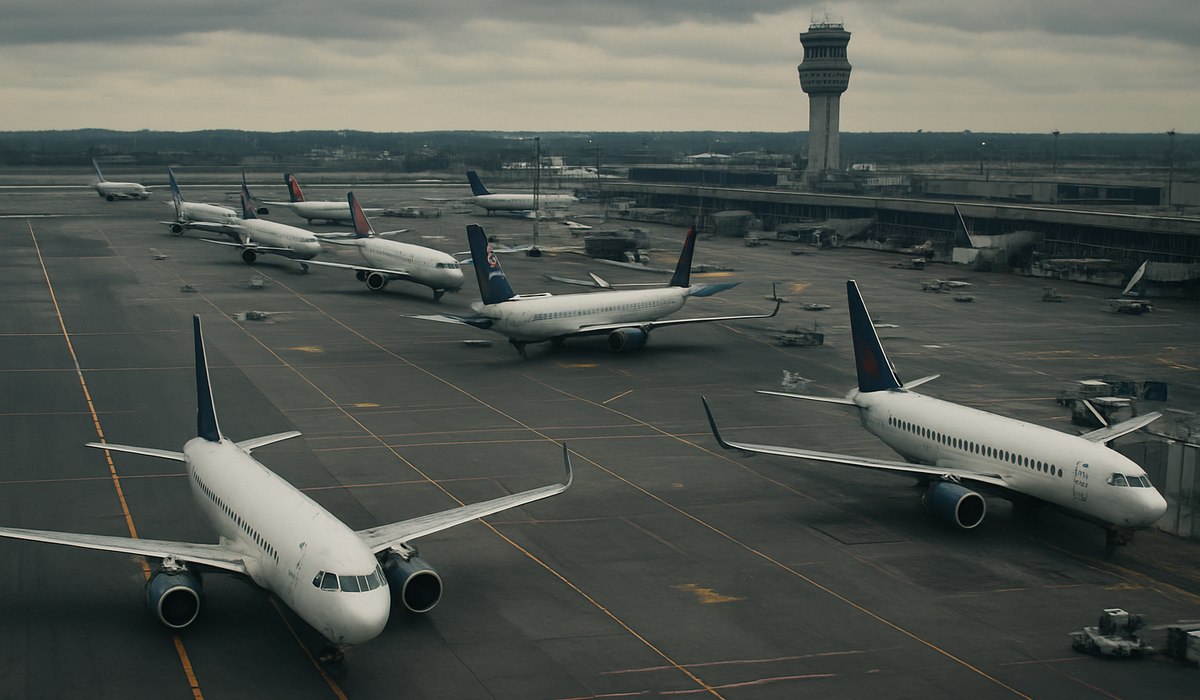
Image generated by AI
JFK Delays Cascade Across U.S. Domestic Network During Easter Rush
New York's John F. Kennedy International Airport is experiencing the worst operational disruption of spring 2026, triggering a cascading effect through the entire U.S. domestic flight network during peak Easter and spring break travel. Between April 6 and 10, JFK consistently ranked among the nation's most delayed airports, with triple-digit departure and arrival delays reported on multiple days. The airport recorded more than 130 delayed flights in single 24-hour periods, coupled with several cancellations, as overburdened operational capacity collided with heightened seasonal demand.
The timing couldn't be worse for travelers. With airlines operating at near-maximum capacity during the Easter holiday window, modest delays at JFK quickly compound into network-wide disruptions affecting routes to Miami, Orlando, Atlanta, Chicago, and dozens of secondary markets. This JFK delays cascade effect demonstrates how vulnerable America's aviation system remains to concentrated hub congestion during peak travel periods.
JFK Emerges as Nation's Most Disrupted Airport
The severity of JFK's operational challenges during this spring travel period exceeds typical seasonal volatility. Real-time tracking via FlightAware shows sustained congestion patterns across both terminals and runways. The airport's primary runway configuration handles approximately 47 operations per hour under normal conditions, yet spring demand frequently exceeds capacity by 15-20 percent during peak windows.
Multiple factors converge to create perfect operational storm conditions. Northeast spring weather systems introduced unpredictable thunderstorm activity, reducing visibility and requiring extended spacing between takeoffs. Simultaneous ground delay programs issued by air traffic control management further restricted departure sequencing. Combined with aircraft maintenance requirements and crew availability constraints, the result was systematic throttling of JFK's entire operation—a classic recipe for the JFK delays cascade phenomenon.
Unlike winter storms that typically arrive and depart within 12-24 hours, spring weather systems linger. This extended pressure period prevents natural network recovery. Aircraft scheduled to operate six or seven segments daily instead complete four or five, leaving crews fatigued and reserve aircraft depleted by mid-afternoon.
Weather, Staffing Shortages Compound Operational Strain
Spring's atmospheric instability presents unique challenges for New York area airports. Unlike predictable winter snow closures, April weather creates ambiguous operational decisions—is the storm severe enough to warrant ground stop, or can traffic continue? Controllers err toward caution, implementing precautionary delays rather than risk unsafe runway conditions.
Simultaneously, staffing limitations amplified disruption severity. TSA checkpoint capacity constraints generated secondary delays beyond pure airside congestion. Government funding uncertainties contributed to elevated absenteeism among Transportation Security Administration personnel at New York region checkpoints. Security wait times fluctuated between 15 and 45 minutes depending on checkpoint and time of day, adding 10-20 minutes to pre-flight procedures for thousands of daily passengers.
Airline staffing challenges also surfaced. Flight attendants and pilots assigned to Easter-period routes reported fatigue-related scheduling conflicts. Ground service personnel struggled to manage aircraft turnarounds within standard 45-minute windows. Catering trucks, fueling equipment, and cleaning crews faced coordination bottlenecks. These ground-level constraints prevented rapid aircraft releases, even when runway capacity temporarily improved.
The Federal Aviation Administration documented these cascading failures through its operational data systems, emphasizing how systemic vulnerabilities compound during seasonal peak demand.
Cascading Effects Ripple Through Domestic Hubs
The operational strain radiating from JFK immediately impacted major domestic hubs. Chicago O'Hare, already handling Easter weekend surge traffic, absorbed late-arriving aircraft from JFK connections. Atlanta Hartsfield-Jackson, America's busiest airport by passenger count, struggled to absorb delayed feed flights from New York. Miami International Airport experienced similar cascading delays as JFK aircraft arrived 60-90 minutes late on average.
This network interconnectedness explains why delays originating in New York affect passengers departing from Denver, Phoenix, or San Diego. A JFK-to-Chicago flight arriving two hours late means the aircraft cannot perform its scheduled Chicago-to-Denver routing on schedule. The Denver flight departs late, affecting Denver connections. A single delayed flight touches four or five cities before evening recovery attempts resume.
LaGuardia Airport compounded the regional crisis. In early April, LaGuardia experienced its highest consecutive-day delay concentration since 2023, affecting hundreds of flights. As airline operations teams attempted load balancing between LaGuardia and JFK, traffic simply migrated congestion rather than resolving it. Newark Liberty International, the third New York area airport, also reported elevated delays.
Recovery proved exceptionally difficult. Unlike weather-induced closures that resolve within hours, operational disruptions from capacity constraints persist across multiple duty cycles. Aircraft positioned incorrectly overnight remain misaligned following morning. Crews scheduled for subsequent days inherit the previous day's cascading delays.
What Travelers Need to Know During JFK Delays Cascade
Spring travel during the JFK delays cascade requires proactive passenger strategies. Real-time monitoring via FlightAware and airline apps provides current delay information. However, published delay statistics often lag actual operational conditions by 15-30 minutes. Booking flexibility emerged as the primary advantage during this disruption period.
Passengers with flexible schedules should consider rebooking onto earlier flights immediately upon airport arrival. Airlines cannot accommodate last-minute rebooking requests once widespread disruptions commence. Conversely, passengers with rigid schedules should verify airline waiver policies before traveling.
The Federal Aviation Administration's NextGen initiatives aim to improve airport capacity management, but current infrastructure remains challenged during peak demand. Understanding system vulnerabilities helps passengers adapt travel timing and route selection accordingly.
Traveler Action Checklist
- Verify flight status 24 hours before departure using FlightAware and your airline's official app
- Request standby status for earlier flights immediately upon checking in at ticket counter
- Confirm TSA PreCheck enrollment status to access expedited security screening and save 15-30 minutes
- Review airline delay waiver policies at transportation.gov/airconsumer before booking
- Build minimum 2-hour connection time for any JFK connecting flights through April 15
- Register bags through final destination to minimize reclaim delays at intermediate hubs
- Photograph gate assignments upon airport arrival to confirm gate changes during flight progression
- Monitor crew duty time announcements as crew fatigue often triggers last-minute delays
- Carry medications and essential items in carry-on luggage only, given potential checked baggage delays
- Document all boarding delays with time stamps for potential compensation claims under DOT regulations
Key Disruption Data: April 6-10, 2026
| Metric | Value | Impact |
|---|---|---|
| JFK Daily Delayed Flights (Peak) | 130+ departures/arrivals | Network-wide cascade effect |
| Airlines Most Affected | American, Delta, JetBlue | Hub-dependent operations |
| Primary Routes Disrupted | JFK-MIA, JFK-ORD, JFK-ATL | Passenger volumes 2,000+ daily |
| Average Delay Duration | 87 minutes (domestic) | Missed connections 15-20% |
| Cascading Hub Impact | Chicago, Atlanta, Miami | Secondary delays 40-60 minutes |
| Estimated Passengers Affected | 185,000+ | Regional ripple effect |
| Weather Events | 8 thunderstorm passages | Northeast spring pattern |
| TSA Wait Times (Peak) | 45 minutes average | Secondary delays 10-20 minutes |
| Cancellations (3-Day Total) | 47 JFK-origin flights |
Disclaimer
This article is for informational and educational purposes only. It does not constitute legal, financial, or professional advice. While we strive to provide accurate and up-to-date information, travel policies, regulations, and conditions change rapidly. Always verify information with official sources before making travel decisions. Nomad Lawyer makes no representations about the accuracy, reliability, completeness, or suitability of the information provided. Readers should consult qualified professionals for advice specific to their circumstances. The views expressed in this article are those of the author and do not necessarily reflect the views of Nomad Lawyer.
Preeti Gunjan
Contributor & Community Manager
A passionate traveller and community builder. Preeti helps grow the Nomad Lawyer community, fostering engagement and bringing the reader experience to life.
Learn more about our team →