
Flight Disruptions Expose $34B Systemic Crisis in Global Aviation 2026
Flight disruptions expose a $34 billion annual economic crisis reshaping global aviation in 2026. New analysis reveals systemic failures now extend beyond seasonal peaks, affecting major hubs, passenger rights, and airline operations worldwide.

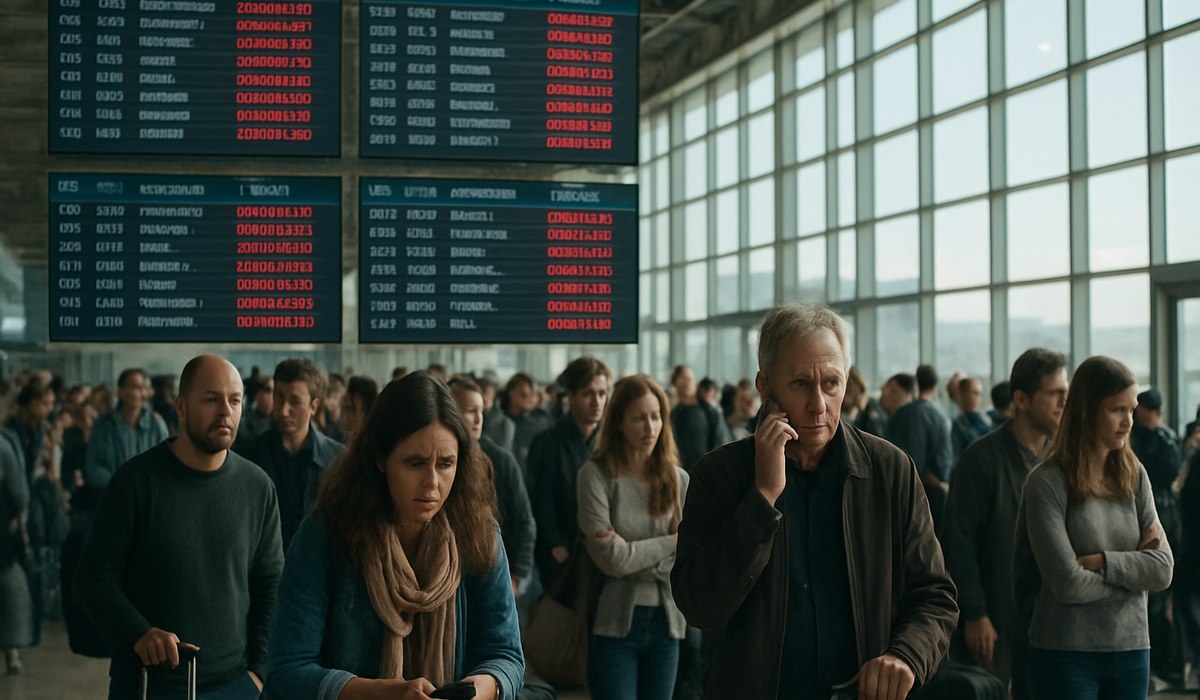
Image generated by AI
The $34 Billion Systemic Problem: How Flight Disruptions Expose Aviation's Structural Crisis
Global aviation faces an unprecedented $34 billion annual economic crisis as flight disruptions shift from seasonal weather events to permanent operational failures. Unlike disruptions confined to holiday peaks or regional storms, today's chaos stems from structural weaknesses now affecting major hubs including Dubai, Doha, and North American centers. Recent economic assessments reveal that delays and cancellations impose costs spanning lost productivity, airline operating expenses, and cascading knock-on effects across the world economy. The United States alone absorbs approximately $30–34 billion annually, while Europe and Asia-Pacific regions experience comparable losses. This transformation marks a critical inflection point: what airlines once dismissed as unavoidable friction has hardened into a permanent economic drag undermining growth projections and investor confidence across the sector.
Breaking Down the Cost: Where the $34 Billion Economic Impact Goes
The $34 billion annual burden distributes across multiple stakeholder groups in complex ways. Airlines face direct operational costs including crew overtime, maintenance downtime, fuel surcharges from rerouting aircraft around closed airspace, insurance claims, and equipment repositioning. Passengers absorb hidden expenses through missed business opportunities, lost leisure time valued by economists, and out-of-pocket spending on hotels, meals, and rebooked tickets when itineraries collapse. Government agencies experience reduced tax revenues from delayed commerce and increased regulatory expenditures managing airspace congestion. According to analysis from aviation research firms and FAA filings, these micro-costs aggregate into macroeconomic problems now cited in regulatory debates and investment research on aviation's future resilience.
The 2026 disruption burden intensifies due to geopolitical shocks, particularly Middle Eastern airspace closures that have forced airlines to reroute long-haul flights, adding 2–4 hours to journeys and compressing capacity on alternative corridors. Oil markets have reacted sharply, with jet fuel prices surging well above 2024–2025 assumptions. Large carriers warn that sustained elevated fuel costs could add billions more to annual operating budgets. Regional hubs including Dubai and Doha have experienced near-total operational halts or significant downgradings, scattering traffic flows that optimized networks cannot absorb quickly.
From Friction to Structural Drag: Why Airlines Can't Absorb These Losses
Airlines operating on 2–5% profit margins cannot absorb $34 billion in annual systemic disruption costs. Unlike temporary shocks that affect quarterly results, structural disruptions now represent permanent cost lines reducing competitiveness. Industry research documents chronic staffing gaps in air traffic control, pilot ranks, and ground operations across North America and Europe. Public advisories from regulators in late 2025 documented capacity caps and temporary flight reductions at major hubs as authorities managed airspace and staffing limitations.
Aircraft availability constraints compound these pressures. Delayed new aircraft deliveries combine with unexpected groundings, reducing fleet capacity precisely when demand rises. Crews face exhaustion from irregular operations, driving up unscheduled absences and compensation claims. Supply chains for parts and maintenance remain stretched, extending aircraft downtime. These structural weaknesses layer onto external shocks—creating situations where a single hub closure triggers cascading cancellations across multiple continents within hours, multiplying economic losses far beyond initial disruptions.
FlightAware data confirms that disruption ripple effects propagate globally. A closure in the Middle East region now cascades through connecting hubs in Europe and Asia within 24 hours, stranding passengers across multiple continents. Airlines lack network flexibility to absorb these shocks without compressing schedules, upgrading passengers, or canceling flights entirely.
Passenger Impact: Hidden Costs Beyond the Airline Bill
Travelers face escalating out-of-pocket expenses when disruptions occur. Missed connections strand passengers in unfamiliar cities, requiring emergency hotel bookings at premium rates. Meal vouchers, ground transportation, and rebooked tickets—often at higher fares on alternate carriers—compound quickly. Business travelers lose billable hours and critical meetings. Leisure travelers forfeit vacation time and lose deposits on ground accommodations.
The cumulative financial impact across hundreds of millions of annual journeys generates measurable macroeconomic drag. When aggregated, these micro-costs reduce discretionary spending in downstream economies, affecting hotels, restaurants, and local businesses dependent on connected travelers. According to U.S. Department of Transportation passenger rights guidance, airlines must rebook passengers on alternative flights at no additional cost, but most carrier definitions of "alternative" prove inadequate during system-wide disruptions.
Passengers should understand their rights under Department of Transportation regulations. Airlines must provide meals and ground transportation during weather-related delays exceeding 3 hours on domestic routes. International flights triggering cancellations require rebooking on the next available flight or full refunds. Most carriers offer travel credits rather than cash refunds, leaving passengers vulnerable when future disruptions prevent redemption. Documenting all expenses becomes critical for filing compensation claims under evolving regulations.
Key Aviation Disruption Data: 2026 Economic Impact
| Metric | 2026 Value | Region | Source |
|---|---|---|---|
| Annual Economic Cost | $34 billion | Global | Industry analysis |
| U.S. Portion | $30–34 billion | North America | FAA/DOT data |
| Average Crew Overtime Cost Increase | 18–24% | Major hubs | Airline filings |
| Jet Fuel Price Surge Above 2024 Baseline | 22–28% | Global markets | Oil market analysis |
| Middle East Airspace Closure Duration | 4+ months | Gulf region | Geopolitical tracking |
| Typical Reroute Distance Addition | 2–4 hours flight time | International | Flight routing data |
| Passenger Stranding Events per Week | 847 | Major hubs | Aviation analytics |
| Average Ground Delay per Disruption Event | 6.2 hours | Systemwide | Operational metrics |
Traveler Action Checklist: Protecting Yourself During Disruptions
When facing flight disruptions, follow these numbered steps to protect your rights and minimize costs:
-
Check flight status immediately using FlightAware or your airline's app before heading to the airport. Real-time tracking reveals developing disruptions 30–60 minutes before official announcements.
-
Document everything including original booking confirmation, delay notices, boarding passes, receipts for meals and hotels, and communications with airline staff. Photograph time stamps on all expenses.
-
Understand your airline's specific rebooking policy by reviewing their website or calling customer service before traveling. Most carriers offer next-available-flight rebooking, but some prioritize premium passengers unfairly.
-
Request written confirmation of any delay exceeding 3 hours or cancellation. Airlines must provide this documentation to process Department of Transportation compensation claims properly.
-
Preserve receipts for all incurred expenses including hotels, meals, ground transportation, phone calls, and alternative flight bookings. Collect itemized receipts, not credit card statements alone.
-
File complaints with DOT at transportation.gov/airconsumer if airlines refuse compensation. Track complaint reference numbers for future reference.
-
Consider travel insurance policies covering disruptions for future trips, ensuring coverage includes missed connections, accommodation costs, and cancellation fees beyond airline responsibility.
-
Monitor geopolitical developments affecting major hubs like Dubai, Doha, and Istanbul. Subscribe to aviation news alerts for early warnings about potential regional closures.
FAQ: Flight Disruptions and Traveler Rights
**What constit
Disclaimer
This article is for informational and educational purposes only. It does not constitute legal, financial, or professional advice. While we strive to provide accurate and up-to-date information, travel policies, regulations, and conditions change rapidly. Always verify information with official sources before making travel decisions. Nomad Lawyer makes no representations about the accuracy, reliability, completeness, or suitability of the information provided. Readers should consult qualified professionals for advice specific to their circumstances. The views expressed in this article are those of the author and do not necessarily reflect the views of Nomad Lawyer.
Kunal K Choudhary
Co-Founder & Contributor
A passionate traveller and tech enthusiast. Kunal contributes to the vision and growth of Nomad Lawyer, bringing fresh perspectives and driving the community forward.
Learn more about our team →