
Flight Disruptions Dulles April 2026: 44 Delays, 7 Cancellations Ripple Across U.S. Aviation
Washington Dulles experienced 44 delays and 7 cancellations on April 9, 2026, as flight disruptions dulles continues to signal broader spring operational strain affecting transatlantic and domestic routes across major U.S. carriers.

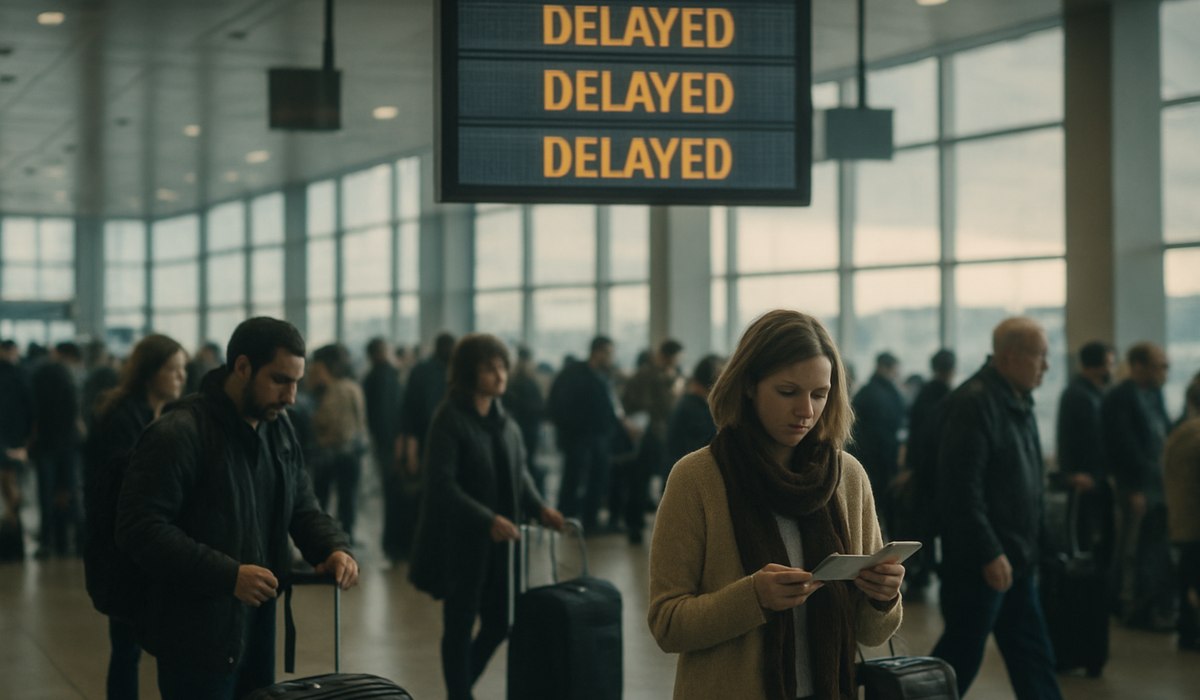
Image generated by AI
Significant Flight Disruptions Hit Washington Dulles on April 9
Washington Dulles International Airport recorded 44 delays and 7 cancellations on April 9, 2026, affecting thousands of passengers across multiple carriers including United Airlines, Lufthansa, and Virgin Atlantic. The disruptions impacted key transatlantic routes to Munich, London, and Frankfurt, alongside domestic connections to San Antonio and other major U.S. cities. This operational strain reflects escalating challenges within the broader U.S. aviation network as spring travel demand reaches seasonal peaks, with flight disruptions dulles serving as a visible indicator of system-wide capacity constraints.
Delays Mount on Transatlantic and Domestic Links
Operational data from April 9 revealed cascading delays and cancellations building throughout the day at Dulles, with disproportionate impact on long-haul transatlantic services and critical domestic hub connections. Major European gateways including Munich, Frankfurt, and London experienced substantial schedule disruptions, while domestic networks to cities like San Antonio faced heightened delays. United Airlines, as Dulles' dominant carrier, recorded multiple delayed arrivals and departures across its daily schedule, forcing rebooking efforts onto subsequent flights with limited seat availability.
Lufthansa and Virgin Atlantic transatlantic operations bore particular exposure, with delays on these routes creating downstream ripple effects across European connection banks. Passengers holding onward reservations to continental destinations, the Middle East, and African cities faced cascading itinerary disruptions. The interconnected nature of modern airline networks means that single-airport disruptions rapidly propagate across multiple airlines and geographies, amplifying passenger impact beyond initial delay counts.
United Airlines, Lufthansa and Virgin Atlantic Among Most Affected
United Airlines experienced the highest concentration of delays at Dulles on April 9, reflecting its substantial operational footprint at the Washington hub. The carrier's domestic and international schedules both encountered schedule instability, with multiple departure waves pushed backward and several cancellations announced mid-day.
Lufthansa operations, connecting Dulles with German hubs including Munich and Frankfurt, represented a significant portion of international flight disruptions. European labor actions and weather systems compounding Dulles-area congestion created compounding delays for this carrier's transatlantic network.
Virgin Atlantic transatlantic services to London experienced delays that subsequently affected the carrier's UK-Europe connection network, impacting passengers booked on onward flights through London Gatwick and Heathrow. The carrier's limited redundancy at Dulles meant fewer alternative aircraft and crew remained available for rapid recovery.
Ripple Effects on European Connections and Onward Itineraries
The April 9 flight disruptions dulles generated significant secondary impacts for passengers holding connections through European hubs. Passengers who missed Frankfurt connections faced extended layovers or rebooking onto alternative routing with associated delays of 4-12 hours. Munich-bound passengers experienced late aircraft arrivals cascading into evening departure waves, compressing turnaround windows for crew and aircraft maintenance checks.
Transatlantic service delays from Dulles create particular vulnerability in European networks because connecting banks operate on precise 90-120 minute intervals. When Dulles-originating aircraft arrive 45 minutes late, connecting passengers frequently miss departure windows for onward European routes. Additionally, crews scheduled for subsequent rotations face illegal flight-time limitations under European Union flight-time regulations, forcing airline crew repositioning and additional schedule adjustments.
Passengers traveling to African and Middle Eastern destinations via European hubs faced the highest cumulative delays, with some itineraries disrupted by 8+ hours as airlines attempted recovery scheduling around weather systems affecting multiple regions simultaneously.
Broader Spring Turbulence Across U.S. Aviation System
The April 9 disruptions at Washington Dulles reflect systemic capacity constraints affecting major U.S. aviation hubs during spring peak travel. Industry data from early April 2026 documented thousands of delays across New York area airports, Los Angeles, Dallas-Fort Worth, and Atlanta as seasonal demand approached operational limits.
Spring weather patterns—including thunderstorms along the East Coast and Mid-Atlantic corridor—combined with heavy seasonal demand and constrained airline staffing created a network operating near maximum capacity. When single nodes like Dulles encounter weather delays or air traffic control restrictions, knock-on effects spread rapidly across nationwide airline schedules. The Federal Aviation Administration documented elevated delay metrics system-wide, with cascading impacts extending across multiple days as airlines struggled to recover from disrupted crew and aircraft positioning.
Aviation analysts note that U.S. airports have limited operational slack built into schedules, meaning that 15-20% reduction in throughput capacity (via weather, staffing limitations, or maintenance issues) directly translates to widespread delays rather than absorption within existing buffers. This structural constraint means that isolated incidents at major hubs quickly become national disruption events affecting passengers across multiple connecting airports.
Current Flight Status and Real-Time Tracking
Passengers traveling through Washington Dulles should verify real-time flight status using FlightAware, which provides live departure and arrival tracking, gate assignments, and aircraft history. The FAA National Airspace System status page displays current delays by airport and region, enabling travelers to assess broader operational conditions affecting their routes.
Airlines typically provide rebooking options through their official websites and customer service lines rather than through airport service desks, which experience high volume during disruption events. Setting up automated flight alerts enables passengers to receive immediate notifications of schedule changes rather than discovering disruptions at airport terminals.
| Data Point | April 9, 2026 Details |
|---|---|
| Delays Recorded | 44 confirmed delays across all carriers |
| Cancellations | 7 flights cancelled outright |
| Primary Carrier | United Airlines (dominant Dulles operator) |
| Affected International Hubs | Munich, Frankfurt, London |
| Affected Domestic Destinations | San Antonio and other major U.S. cities |
| Estimated Passenger Impact | 8,000-12,000 passengers across all affected flights |
| Primary Cause | Spring weather and system capacity constraints |
| Secondary Cause | European labor actions and overseas weather delays |
Traveler Action Checklist
Passengers affected by flight disruptions dulles or similar April 2026 events should take the following actions:
-
Monitor real-time status using FlightAware or your airline's mobile app at least 24 hours before departure.
-
Contact your airline directly via official phone numbers or website chat rather than waiting at airport service desks during peak disruption hours.
-
Document all flight changes including original confirmation numbers, new flight details, and any expenses incurred (meals, hotels, ground transportation).
-
Check passenger rights through the U.S. Department of Transportation Civil Rights office for compensation eligibility under DOT rules requiring reimbursement for delays exceeding 3+ hours on U.S. flights.
-
Photograph all boarding passes and receipt documentation for both original and rebooked flights to support any future compensation claims.
-
Request written confirmation of rebooking details from airline agents, including new confirmation numbers and any compensation offers presented.
-
File formal complaints with the FAA and DOT if you experience systemic delays, overbooking, or inadequate rebooking assistance during travel.
What This Means for Travelers
Spring travel through U.S. hub airports like Dulles carries elevated disruption risk through May 31, 2026, as seasonal demand combines with weather variability and constrained airline
Disclaimer
This article is for informational and educational purposes only. It does not constitute legal, financial, or professional advice. While we strive to provide accurate and up-to-date information, travel policies, regulations, and conditions change rapidly. Always verify information with official sources before making travel decisions. Nomad Lawyer makes no representations about the accuracy, reliability, completeness, or suitability of the information provided. Readers should consult qualified professionals for advice specific to their circumstances. The views expressed in this article are those of the author and do not necessarily reflect the views of Nomad Lawyer.
Raushan Kumar
Founder & Lead Developer
Full-stack developer with 11+ years of experience and a passionate traveller. Raushan built Nomad Lawyer from the ground up with a vision to create the best travel and law experience on the web.
Learn more about our team →