
Flight Disruptions China: Eastern and Lao Airlines Face 449 Combined Delays in April 2026
Flight disruptions China escalate as China Eastern and Lao Airlines report 33 cancellations and 416 delays across Asia Pacific in early April 2026. Regional weather and airspace constraints compound operational strain.

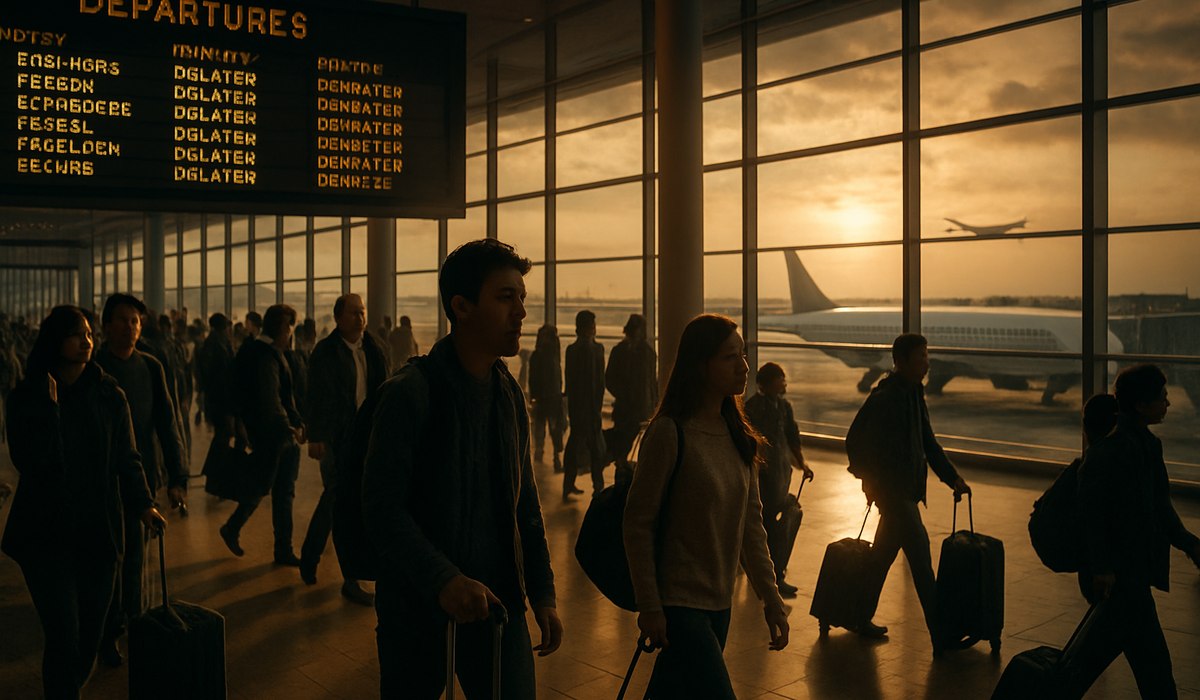
Image generated by AI
Major Flight Disruptions Hit China Eastern and Lao Airlines
China Eastern and Lao Airlines are grappling with significant operational strain across Asia Pacific routes, with combined figures showing 33 flight cancellations and 416 delays during the first week of April 2026. The disruption wave affects domestic Chinese services, cross-border Southeast Asian connections, and longer regional itineraries that depend on these carriers for critical feeder legs. Both airlines continue rebuilding networks and staffing levels following pandemic-era recovery efforts while simultaneously managing resurging passenger demand. The scale of flight disruptions China is experiencing underscores mounting pressure on key Asian aviation hubs and their interconnected networks.
Scale of Disruption: 33 Cancellations and 416 Delays
The operational impact across both carriers reveals the fragility of regional aviation networks during periods of concurrent strain. On the most severely affected days, China Eastern experienced mid-single-digit percentage cancellation rates alongside delay ratios exceeding 10% of scheduled departures. These figures aggregate into dozens of outright cancellations paired with several hundred delayed flights across the carrier's domestic and regional schedule. Lao Airlines, despite operating a considerably smaller network, absorbed an outsized proportion of disruptions due to its role as the national carrier connecting a landlocked nation with limited alternative transport infrastructure. Real-time tracking through FlightAware illustrates the cascading nature of these delays throughout the first week of April, with knock-on effects propagating through subsequent flight rotations.
Regional Factors Compounding Airline Strain
Multiple converging operational challenges created conditions ripe for flight disruptions China witnessed during early April. Seasonal thunderstorms and adverse weather systems affected major gateways including Shanghai, Beijing, and Southeast Asian regional hubs, periodically restricting takeoff and landing operations. Airspace congestion, particularly at high-density nodes, narrowed available routing options and forced aircraft into holding patterns. Pre-existing airspace constraints in neighboring regions further complicated flight paths and extended turnaround windows for crews and aircraft. When incoming flights arrive late at Shanghai or Beijing—home to China Eastern's primary operations—subsequent departures face increasingly compressed scheduling windows. This domino effect characteristic of high-density networks means a single morning delay can propagate through multiple aircraft rotations by evening, exponentially multiplying passenger impact across the day.
Impact on Connectivity and Passenger Routes
Flight disruptions China created particular hardship for travelers depending on connections through regional hubs. Lao Airlines passengers suffered disproportionately since the carrier operates Thailand, Vietnam, and China connections where delays from larger partners directly cascade into cancellations. Fog and low visibility at mountainous Lao airports historically contribute to operational vulnerability, and April's conditions again triggered ground holds and schedule changes. Domestic Chinese routes operating through congested Shanghai and Beijing hubs experienced the highest disruption concentrations. Cross-border itineraries relying on China Eastern feeder legs faced extended waits or cancellations when upstream flights arrived late. Passengers booked on multi-carrier itineraries involving either airline faced compounding complications as connecting flight slots disappeared during delays.
Carrier Recovery Amid Post-Pandemic Rebuilding
Both China Eastern and Lao Airlines remain in active recovery and network expansion phases following pandemic-era operational reductions. China Eastern, as one of China's largest state-backed carriers, operates dense networks across mainland hubs with onward Southeast Asian connectivity. The airline's strategy during disruption periods emphasizes preserving connectivity rather than immediate cancellations, often deploying ground holds and extended turnaround times to maintain downstream flight integrity. Lao Airlines functions as a critical regional connector where infrastructure limitations and absence of competitive transportation alternatives heighten the carrier's operational importance. Industry operational data suggests both carriers sought to maximize flight completions despite strain, translating temporary delays into longer passenger waits rather than immediate schedule cuts. Recovery timelines depend on sustained weather improvements and sustained regional airspace capacity.
Key Disruption Data Summary
| Metric | Figure | Details |
|---|---|---|
| Total Cancellations | 33 | Combined across both carriers, early April 2026 |
| Total Delays | 416 | Affecting Asia Pacific regional and domestic routes |
| Primary Affected Carrier | China Eastern | Largest volume of delays at Shanghai hub |
| Secondary Affected Carrier | Lao Airlines | Proportionally higher impact due to network size |
| Primary Weather Factor | Thunderstorms | Seasonal systems affecting major gateways |
| Key Affected Hubs | Shanghai, Beijing | China Eastern primary operation centers |
| Regional Impact | Southeast Asia | Connections through Thailand, Vietnam, Laos |
| Delay Range | Extended holds | Many flights 2–4+ hours behind schedule |
| Cancellation Type | Connection-driven | Many cancellations from upstream delays |
| Recovery Strategy | Ground holds | Preserving connectivity over immediate cuts |
What This Means for Travelers
Passengers booked on China Eastern or Lao Airlines during disruption periods face elevated risks of delays and potential cancellations, particularly on routes through Shanghai, Beijing, or regional Southeast Asian hubs. Take these actionable steps to protect your travel:
-
Monitor your flight status actively using FlightAware or your airline's mobile app at least 24 hours before departure, then every 2–3 hours on travel day.
-
Contact your airline immediately if you receive a delay or cancellation notice—early action improves rebooking options on less-congested flights.
-
Book connecting flights with minimum 3-hour windows when involving China Eastern or Lao Airlines during periods of elevated disruption.
-
Request meal vouchers and accommodation for delays exceeding 12 hours; review your airline's policy at US DOT for passenger rights.
-
Check baggage policies before travel, as disrupted flights sometimes require manual retagging at connection hubs.
-
Purchase travel insurance covering flight disruptions, particularly for itineraries crossing multiple carriers or requiring connections through high-strain hubs.
-
Avoid Friday-Monday travel windows on affected routes when hub congestion typically peaks during regional recovery operations.
Frequently Asked Questions
What caused the April 2026 flight disruptions at China Eastern? Concurrent seasonal thunderstorms, airspace congestion at Shanghai and Beijing hubs, and pre-existing regional routing constraints combined to create operational strain. Domino effects from early delays propagated through subsequent flight rotations, multiplying passenger impact across the day.
How does disruption at Shanghai impact Lao Airlines passengers? Lao Airlines operates critical connecting flights through Thai and Vietnamese hubs that feed into China Eastern services. When China Eastern flights arrive late in Shanghai, onward Lao Airlines connections face cancellation or extended delays, leaving passengers stranded in intermediate cities.
Where can I find real-time flight status information? FlightAware provides live flight tracking, delay information, and airport status updates. Your airline's mobile app and website also display current schedule changes and cancellation notices.
What passenger rights apply to flight disruptions in Asia Pacific? Passenger compensation and accommodation entitlements vary by jurisdiction. Review US DOT consumer protections and your airline's policy documentation. International flights may fall under different regulations depending on departure and destination countries.
Related Travel Guides
Explore more resources for navigating Asia Pacific travel challenges:
- Asia Pacific Flight Delays: A Traveler's Complete Guide
- China Eastern Routes and Network Overview
- [Southeast Asian Hub Navigation: Bangkok,
Disclaimer
This article is for informational and educational purposes only. It does not constitute legal, financial, or professional advice. While we strive to provide accurate and up-to-date information, travel policies, regulations, and conditions change rapidly. Always verify information with official sources before making travel decisions. Nomad Lawyer makes no representations about the accuracy, reliability, completeness, or suitability of the information provided. Readers should consult qualified professionals for advice specific to their circumstances. The views expressed in this article are those of the author and do not necessarily reflect the views of Nomad Lawyer.
Preeti Gunjan
Contributor & Community Manager
A passionate traveller and community builder. Preeti helps grow the Nomad Lawyer community, fostering engagement and bringing the reader experience to life.
Learn more about our team →