
Flight Delays Turbulent Week Hits 2,300+ Daily Across U.S. Hubs
Flight delays turbulent conditions surge past 2,345 daily in 2026 as spring travel season accelerates, affecting major U.S. airport hubs and stranding thousands of passengers through cascading network disruptions.

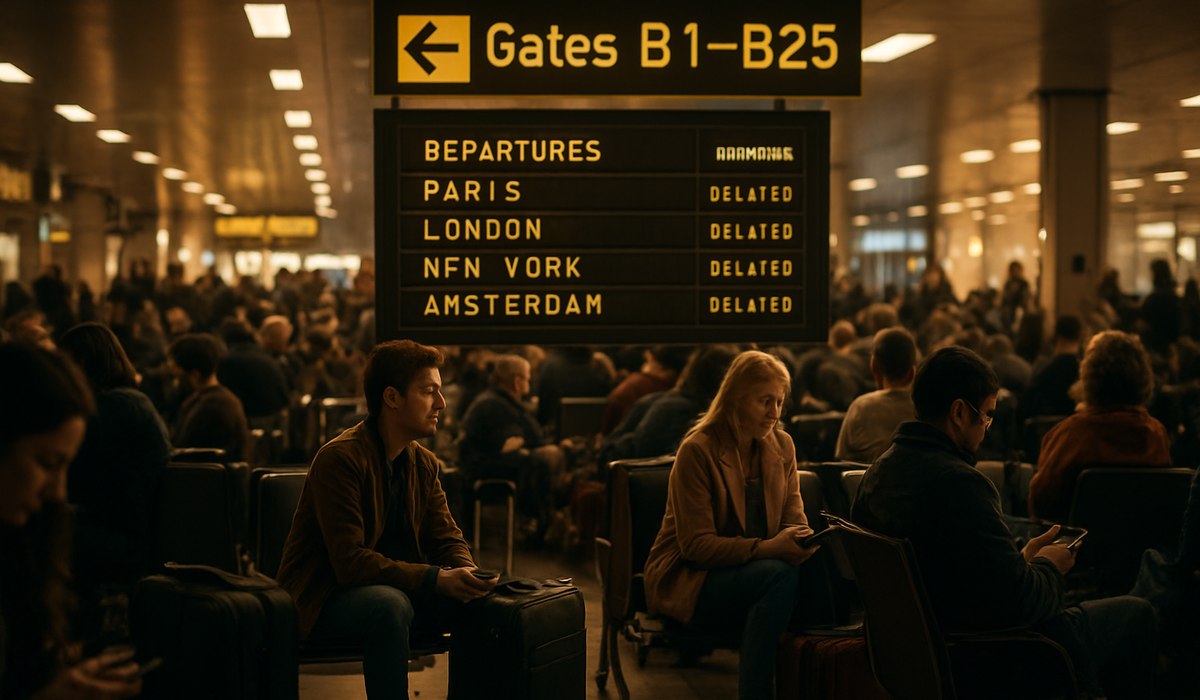
Image generated by AI
Spring Travel Season Disrupted: Daily Flight Delays Exceed 2,300 at Major U.S. Hubs
U.S. air travelers face a week of unprecedented operational strain as flight delays turbulent conditions spike past 2,345 daily across the nation's busiest airport hubs. Atlanta, Chicago O'Hare, New York area airports, Miami, Los Angeles, and Houston reported cascading delays affecting thousands of passengers heading into peak spring season. This surge represents one of the most significant disruption cycles of early 2026, with single-day cancellations exceeding 200 flights nationwide and interconnected network effects extending disruptions across regions separated by thousands of miles.
Nationwide Delays Surge Past 2,300 as Major Hubs Struggle
The scale of current flight delays turbulent impact has reached critical levels. Flight-tracking data shows at least one day surpassed 4,300 delayed flights nationwide, with multiple hubs simultaneously recording four-figure delay totals. Atlanta logged 285 delays and 76 cancellations on April 5 alone, while Miami and Denver each experienced hundreds of additional disruptions on peak travel days.
Chicago O'Hare emerged as the hardest-hit airport, recording over 200 delays within a 24-hour period. New York's LaGuardia and Newark airports, along with Dallas Fort Worth and Denver, experienced significant afternoon and evening bottlenecks. The concentration of delays at these major hubs demonstrates how constrained runway capacity and limited departure slots create cascading effects throughout the domestic network.
Passengers connecting through single-hub routes faced the greatest impact, with late inbound flights eliminating onward connections to smaller cities until the following day. Real-time monitoring through FlightAware revealed the spreading nature of these disruptions as aircraft fell out of position across multiple airlines' networks.
Chicago O'Hare, Atlanta, and New York Lead Disruption Charts
Chicago O'Hare International Airport bore the heaviest operational burden this week, with delays consistently exceeding 200 flights daily. The airport's role as a major United Airlines hub concentrated impacts on that carrier's network, creating widespread downstream effects.
Hartsfield-Jackson Atlanta International Airport recorded severe pressure with 285 documented delays on April 5. As the world's busiest airport by passenger count, any disruption at Atlanta multiplies across Delta Air Lines' extensive network, affecting connections to hundreds of secondary markets nationwide.
New York area airports, including LaGuardia and Newark, reported stacked delays during afternoon and evening peak hours. Constrained airspace and limited runway availability at these congested facilities meant that even minor operational hiccups accumulated into multi-hour delays by evening operations.
Miami International Airport, Los Angeles International, Houston Intercontinental, and Denver International rounded out the week's most heavily affected hubs. Each experienced their own spike cycles as weather systems rolled through their respective regions and staff shortages limited recovery flexibility. For current status updates, passengers can check the FAA's real-time flight delay information.
Cascading Effects Ripple Through Interconnected Airport Network
The hub-and-spoke system that defines U.S. air travel means disruptions concentrate at key nodes with exponential downstream consequences. When a flight arrives late into Chicago O'Hare, it doesn't just delay that single aircraft—it disrupts every connecting flight scheduled to depart on that plane over the next 12 hours.
Spring thunderstorms, low cloud ceilings, and high winds reduced airport capacity across the Midwest, South, and Northeast this week. Traffic management initiatives from the Federal Aviation Administration slowed arrivals and restricted departure windows at the nation's busiest hubs. Weather in one region created knock-on effects thousands of miles away as airlines struggled to reposition aircraft and crews.
Runway and ground construction projects at major airports further constrained operations. Temporary runway closures reduced available takeoff and landing slots during peak hours. Even modest reductions in throughput magnified the impact when late afternoon congestion waves hit already-stressed systems.
Controller staffing shortages at several key facilities limited flexibility for rapid recovery. When technical problems or weather events occurred, facilities with reduced staffing couldn't quickly implement recovery procedures. Many carriers also operated lean crew rosters and tight schedule buffers, making cascading disruptions inevitable when delays occurred.
United Airlines reported over 800 delayed flights in a single day, with concentrated impact at Newark, Chicago O'Hare, Denver, Washington Dulles, and Houston hubs. Frontier Airlines documented more than 200 significant delays across its network, with similar hub-concentration patterns. Delta and other carriers experienced similar ripple effects at their respective hub facilities.
| Airport Hub | Delays (Peak Day) | Cancellations | Primary Carriers | Capacity Status |
|---|---|---|---|---|
| Chicago O'Hare | 200+ | 15-20 | United, American | Severely Constrained |
| Atlanta (ATL) | 285 | 76 | Delta | Severely Constrained |
| New York (LGA/EWR) | 150+ | 20+ | United, American, JetBlue | Severely Constrained |
| Miami (MIA) | 120+ | 12+ | American, Spirit | Constrained |
| Denver (DEN) | 110+ | 15+ | United, Frontier | Constrained |
| Los Angeles (LAX) | 95+ | 10+ | American, United, Southwest | Moderate Constraint |
What Travelers Should Know as Spring Travel Season Accelerates
Passenger volumes in early 2026 are at or above pre-pandemic levels at most major hubs, driven by spring break trips, extended warm-weather getaways, and seasonal business travel. With more flights operating near capacity, aircraft rarely have available seats for disrupted passengers.
Current flight delays turbulent conditions make it essential for travelers to build extra buffer time into itineraries. Connecting flights scheduled within 90 minutes face extreme risk of missed connections. Direct flights remain the safest option when available.
The U.S. Department of Transportation's Airline Consumer Assistance provides information on passenger rights including meal vouchers, hotel accommodations, and rebooking requirements when delays exceed specific thresholds. Carriers must provide compensation for covered disruptions, though weather and ATC delays carry specific exclusions.
Travelers should monitor flight status constantly through FlightAware and airline apps rather than relying on initial scheduled times. Proactive contact with airlines before disruptions occur often results in better rebooking options than waiting for formal delay announcements.
Travel insurance covering cancellations and delays has become increasingly valuable given current volatility. Policies should specify coverage for weather-related disruptions, which many carriers exclude from compensation requirements.
Traveler Action Checklist
-
Book direct flights whenever possible to avoid missing connections during the current disruption cycle affecting major hubs.
-
Build 2-3 hour buffer times between connecting flights rather than relying on minimum connection windows.
-
Monitor flight status starting 24 hours before departure using both airline apps and FlightAware real-time tracking.
-
Contact your airline immediately if delays exceed 3 hours to understand rebooking options before alternative flights fill.
-
Document all receipts for meals, hotels, and transportation if delays exceed carrier-defined thresholds for accommodation provision.
-
Verify your airline's specific delay policies on their website, as compensation thresholds and coverage vary significantly.
-
Consider travel insurance covering weather delays if your itinerary includes major hub connections during spring season.
-
**Request
Disclaimer
This article is for informational and educational purposes only. It does not constitute legal, financial, or professional advice. While we strive to provide accurate and up-to-date information, travel policies, regulations, and conditions change rapidly. Always verify information with official sources before making travel decisions. Nomad Lawyer makes no representations about the accuracy, reliability, completeness, or suitability of the information provided. Readers should consult qualified professionals for advice specific to their circumstances. The views expressed in this article are those of the author and do not necessarily reflect the views of Nomad Lawyer.
Raushan Kumar
Founder & Lead Developer
Full-stack developer with 11+ years of experience and a passionate traveller. Raushan built Nomad Lawyer from the ground up with a vision to create the best travel and law experience on the web.
Learn more about our team →