
Middle East Flight Chaos Hits Cairo, Dubai, Istanbul April 2026
Middle East flight disruptions escalated on April 6, 2026, with 375+ delays and 17 cancellations across Cairo, Dubai, and Istanbul cascading to European and Asian hubs. Geopolitical tensions and airspace restrictions reshape regional aviation.

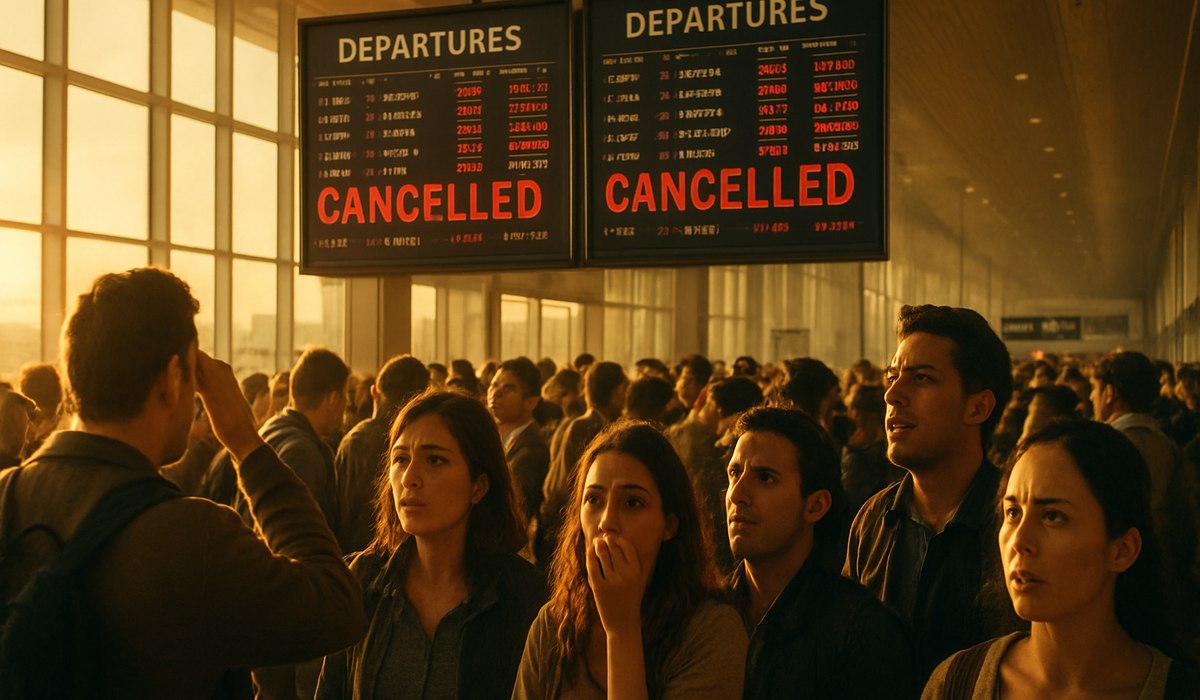
Image generated by AI
Unprecedented Middle East Flight Chaos Disrupts Three Major Hubs
Cairo International Airport, Dubai International, and Istanbul's Atatürk hub experienced cascading disruptions on April 6, 2026, with aviation trackers recording over 375 flight delays and 17 cancellations in a single day. The unprecedented middle east flight turbulence rippled across Europe, Africa, and Asia as aircraft and crews fell out of position. Cairo alone reported 155 delayed flights and six cancellations, while Dubai and Istanbul faced similarly intense pressures, affecting both domestic and international passengers seeking rebooking assistance at overwhelmed desks.
375+ Delays Hit Three Major Middle East Hubs in Single Day
The April 6 disruption marked one of the most chaotic operational days across Middle Eastern aviation since February's geopolitical escalations. Aviation data trackers and regional travel media documented the scope: Cairo International Airport absorbed 155 delayed departures and arrivals plus six cancellations, impacting connections to Europe, Africa, and secondary Gulf destinations.
Dubai International and Istanbul simultaneously processed scores of delayed flights, creating a domino effect across their route networks. Passengers faced extended queues at check-in, security, and rebooking desks as airlines struggled to accommodate the volume. Ground crews worked overtime to reposition aircraft and comply with altered flight schedules. The concentration of delays within a compressed timeframe highlighted how fragile regional aviation infrastructure remains when multiple stressors align.
Industry observers noted that airlines operating through these hubs have been maintaining minimal scheduling buffers since late February. Any single disruption—whether weather, airspace closure, or operational bottleneck—now cascades rapidly across the network. Secondary hubs in Abu Dhabi, Kuwait City, Riyadh, Amsterdam, and Paris all registered knock-on effects as aircraft intended for onward connections arrived hours late.
Cascading Effects: How Cairo and Dubai Disruptions Ripple Globally
The middle east flight delays on April 6 didn't remain confined to regional boundaries. A single delayed departure from Cairo or Dubai frequently meant missed connections in Paris, Amsterdam, London, and Asian gateways eight to twelve hours later.
Aircraft positioning constraints proved particularly damaging. When a widebody aircraft sat delayed at Cairo for four hours, it wasn't available for its scheduled evening departure to Frankfurt. Crew fatigue regulations prevented some airlines from simply "pushing" through delays, forcing cancellations of subsequent segments. This cascading pattern affected approximately 15,000 to 20,000 downstream passengers across European and Asian networks.
Emirates, Egyptair, Turkish Airlines, and international carriers serving these hubs implemented flexible rebooking policies, but seat availability on alternative flights had already contracted due to weeks of reduced frequencies. Passengers experienced rebooking onto flights 24 to 48 hours later or accepted involuntary reroutes through unexpected connections.
Real-time flight tracking via FlightAware showed the geographic spread: delays originating in Cairo affected onward flights to cities including Berlin, Brussels, Rome, Singapore, and Bangkok. Dubai disruptions impacted services to Sydney, Mumbai, London, and New York. Istanbul's position as a critical Europe-Asia bridge amplified its ripple effects across three continents.
Conflict and Airspace Restrictions Reshape Regional Routes
Ongoing regional tensions involving Iran, Gulf states, and external powers escalated dramatically in late February 2026, prompting multiple governments to restrict or redesignate airspace corridors. These geopolitical constraints form the underlying foundation for current middle east flight volatility.
Airlines now navigate a patchwork of closed corridors, mandatory reroutes, and government advisories that have extended flight times by 30 to 90 minutes on affected routes. The modifications require additional fuel, crew scheduling adjustments, and revised departure slots—all reducing operational flexibility precisely when disruptions demand rapid adaptation.
Dubai absorbed particular pressure, with several international carriers announcing temporary service suspensions through late April. Cathay Pacific, Air Astana, and other airlines publicly withdrew or reduced frequencies to the emirate, directly tightening seat inventory during peak travel periods. Egyptian airspace experienced temporary restrictions in early March, diverting international traffic to Cairo and regional alternates, demonstrating how quickly route architecture shifts when primary corridors close.
Istanbul's geographic position as the bridge between Europe, the Middle East, and Asia created dual challenges: the city absorbed rerouted traffic while simultaneously managing security consultancy advisories and fluctuating regional demand. Airlines scheduling Istanbul connections now face unpredictable flight times and increased probability of missed onward flights.
Weather, Fuel Supply Vulnerabilities, and Capacity Strains Compound Disruption
Beyond geopolitical factors, operational vulnerabilities have degraded regional aviation resilience. Dense fog struck Dubai and Sharjah in early April, triggering diversions and visibility-related delays at precisely the moment when scheduling buffers had vanished.
Persistent unsettled weather around the Persian Gulf created visibility and braking-action constraints at multiple hubs simultaneously. Fuel logistics added another constraint: drone-related incidents near Dubai fuel storage facilities in March prompted conservative fuel-planning measures across carriers operating in the emirate. Airlines began either carrying extra fuel from departure cities or limiting aircraft weight through reduced passenger loads—both measures directly translating to operational delays and schedule compressions.
Capacity strains reflect weeks of voluntary and imposed frequency reductions. Airlines across the Middle East now operate altered schedules, with some carriers maintaining only 60 to 70 percent of pre-February frequencies on Gulf routes. Reduced seat availability eliminates the spare capacity that normally absorbs disrupted passengers, forcing rebooking onto flights a full day or more later.
Turkish carriers also faced capacity pressures as Istanbul absorbed diverted traffic and European airlines rerouted services away from direct Middle Eastern routing. The cumulative effect created an environment where even routine schedule adjustments produced visible passenger impact.
What Nomadic Professionals Should Know About Middle East Travel
For location-independent workers and frequent business travelers, April 2026's middle east flight chaos introduced operational risks that demand contingency planning. The region's current volatility suggests that journey times, connection reliability, and seat availability all remain unpredictable through at least late April 2026.
Professionals planning Middle Eastern hub transits should build 4 to 6 hours into connection windows rather than the standard 2 to 3 hours, effectively accepting longer total journey times. Direct routing through Cairo, Dubai, or Istanbul now carries elevated risk of missed downstream connections, making connection-heavy itineraries particularly vulnerable.
Travel insurance that covers airline disruption becomes essential, particularly policies with rebooking guarantees and hotel coverage for unplanned overnight stays. Remote work infrastructure should assume worst-case scenarios: plan business meetings for two days after arrival, maintain video conferencing capability while in transit, and avoid time-critical commitments on travel days.
Seat selection strategies shift toward booking final destinations on separate tickets rather than through-bookings, preserving rebooking optionality if earlier segments cancel. Flexibility on travel dates and willingness to depart 24 hours earlier or later than preferred can dramatically improve seat availability and connection reliability.
For digital nomads basing themselves in Middle Eastern hubs, recognizing that exit flights may require 2 to 3 days advance rebooking preparation changes accommodation checkout timing and logistical planning.
Traveler Action Checklist
-
Monitor flight status: Check FlightAware and your airline app twice daily for 7 days before departure; look for pattern changes in your specific flights.
-
Build connection buffers: Allow minimum 4 hours between segments into or out of Cairo, Dubai, or Istanbul; accept longer journey times through April.
-
Secure travel insurance: Confirm coverage includes airline disruption, rebooking assistance, and hotel accommodations for unplanned delays.
-
Book final destination separately: Purchase separate tickets for your last leg rather than through
Disclaimer
This article is for informational and educational purposes only. It does not constitute legal, financial, or professional advice. While we strive to provide accurate and up-to-date information, travel policies, regulations, and conditions change rapidly. Always verify information with official sources before making travel decisions. Nomad Lawyer makes no representations about the accuracy, reliability, completeness, or suitability of the information provided. Readers should consult qualified professionals for advice specific to their circumstances. The views expressed in this article are those of the author and do not necessarily reflect the views of Nomad Lawyer.
Raushan Kumar
Founder & Lead Developer
Full-stack developer with 11+ years of experience and a passionate traveller. Raushan built Nomad Lawyer from the ground up with a vision to create the best travel and law experience on the web.
Learn more about our team →