
Flight chaos hits Europe as May 2026 cancellations surge across major hubs
Flight chaos hits European networks on May 9, 2026, with 25+ cancellations and 60+ delays cascading through Moscow, London, and Helsinki. Geopolitical tensions and capacity constraints strain four major carriers.

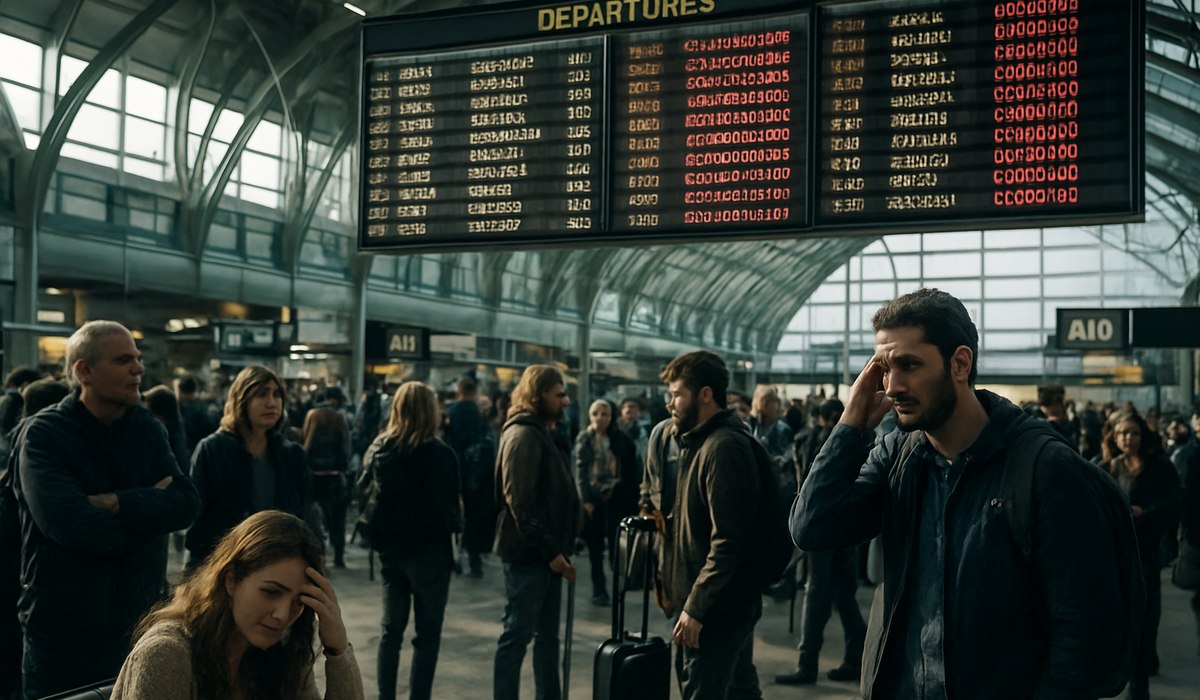
Image generated by AI
European Airlines Face Cascading Disruptions on May 9
Flight chaos hits major European hubs as at least 25 cancellations and 60+ delays disrupt travel across Moscow, London, Helsinki and connecting routes on May 9, 2026. Aeroflot, British Airways, Finnair, and Icelandair services face the brunt of disruptions stemming from geopolitical airspace restrictions, capacity constraints, and labour actions across the continent. Hundreds of passengers found themselves stranded, rebooked, or facing unexpected overnight stays as the domino effect of cascading delays rippled through interconnected flight networks.
The concentrated cluster of disruptions arrived during an already volatile period for European aviation, reflecting systemic pressures that have accumulated since early March when regional tensions first began reshaping flight operations across the continent.
May 9 Disruptions Spread Across Four Major Carriers
Data from real-time flight tracking services documented the precise scope of May 9's disruption affecting Europe's critical transport corridors. Aeroflot operations from Sheremetyevo Airport in Moscow experienced repeated schedule volatility, building on documented patterns of instability since March. British Airways flights departing from London's Heathrow and Gatwick faced additional pressure from an already capacity-constrained system operating near maximum utilization.
Finnair's Helsinki-based network absorbed delays affecting Nordic connections and transcontinental routes linking Northern Europe to Asian and Middle Eastern destinations. Icelandair's operations, though smaller in absolute numbers, still contributed to the overall cascade of disruptions affecting passenger connectivity across multiple time zones.
The timing proved particularly disruptive because these carriers operate interconnected networks where delays at one hub quickly translate to missed connections at secondary airports. A late arrival in London from Moscow creates cascading effects for passengers booked onward to continental Europe or beyond. This interconnectedness means that 25 cancellations can impact far more than the direct passengers on those flights, affecting hundreds through broken connections and forced rebookings.
Moscow Struggles With Persistent Airspace Volatility
Moscow's Sheremetyevo Airport remains under persistent operational strain due to ongoing airspace restrictions and rerouting requirements. Since early March 2026, documented records show over 170 delays and dozens of cancellations occurring in single-day snapshots across Moscow's airport network. These disruptions stem directly from geopolitical tensions that have fundamentally altered available flight corridors for both Aeroflot and international carriers.
Aircraft that previously utilized efficient overflight paths through restricted airspace now require extended routing, consuming additional fuel, crew duty hours, and scheduling flexibility. When aircraft burn extra hours aloft, their subsequent rotations compress, leaving diminished recovery time for weather events, technical issues, or ground handling delays. This structural squeeze on scheduling efficiency explains why seemingly small disruptions cascade into system-wide failures.
Aeroflot's operational complexity has intensified as the carrier balances domestic Russian services with constrained international capacity. Gate changes, aircraft swaps, and rolling delays reflect the constant recalibration required to maintain any semblance of schedule reliability under these pressures.
London Airports Operating at Critical Capacity
British Airways' operations from London face unprecedented pressure from structural capacity constraints compounded by geopolitical disruptions. April 2026 analysis documented over 1,600 delays and dozens of cancellations in single 24-hour periods at Heathrow and Gatwick combined, indicating that London's airport system operates with minimal buffer for unexpected events.
When one flight runs late, crew rotations compress, aircraft become misaligned with scheduled rotations, and downstream departures slip backward through the day. British Airways suspended most services to Dubai, Doha, Abu Dhabi, Amman, Bahrain, and Tel Aviv through late spring 2026 due to regional instability and airspace closures, but these route suspensions have disrupted normal passenger flow patterns without reducing overall airport congestion.
The May 9 disruptions at London airports should be understood not as isolated incidents but as symptoms of an over-constrained system where minor disturbances quickly cascade into major passenger impacts. Heathrow and Gatwick operate at near-maximum capacity during peak hours, leaving virtually no slack for recovery from weather, technical issues, or staffing challenges.
Geopolitical Tensions Continue to Ripple Through Networks
Geopolitical factors originating thousands of miles away now directly constrain airline operations across Europe. Airspace closures and rerouting requirements around Russian and Middle Eastern regions have fundamentally restructured how carriers plan flights, allocate resources, and schedule crew rotations. These aren't temporary disruptions likely to resolve quickly; they represent structural changes to European aviation networks that will persist through 2026 and potentially beyond.
Conflict-related security concerns and airspace closures force carriers to add hours to flight times, reduce aircraft availability through longer rotations, and constrain crew scheduling flexibility. Middle Eastern tensions specifically disrupted British Airways' profitability and passenger connectivity through Gulf hubs, with route suspensions extending through late spring.
The cumulative impact creates a more fragile aviation system where normal operational disruptions (weather, maintenance, industrial actions) previously absorbed by schedule buffers now immediately cascade into cancellations. A single weather delay in Brussels now triggers missed connections in Helsinki, which then affects Asian-bound passengers originally routed through Finnair services.
Labour Disputes and Industrial Actions Add Complexity
European labour disputes introduce unpredictable disruption layers atop the geopolitical pressures already straining operations. Finnair warned in early May of potential disruption to Brussels services tied to national strikes in Belgium, illustrating how local labour disputes affect multinational airline networks. When ground handlers strike at a single airport, cascading effects ripple across carrier networks for days as aircraft queue for stands, baggage handlers, and de-icing services.
Staff shortages, whether from strike actions or normal attrition, reduce the operational flexibility carriers need to recover from disruptions. Industrial actions at Helsinki have previously forced Finnair to cancel entire flight blocks on specific days, then manage the resulting aircraft queue backlog for subsequent days.
These labour pressures won't resolve quickly, as staffing shortages and wage negotiations remain unresolved across European ground handling services and airline crew bases.
Real-Time Flight Tracking and Passenger Resources
Passengers affected by May 9 disruptions can monitor developing situations through FlightAware, which provides real-time flight status, historical data, and airport congestion metrics. The FAA maintains updates on airspace conditions affecting transatlantic and European operations, while the US DOT provides passenger rights information for flights affected by carrier disruptions.
Real-time tracking data shows that cancellations cluster around morning and early afternoon departures when aircraft rotations become misaligned from prior-day delays. This pattern suggests that disruptions don't resolve organically but actually intensify throughout operational days as scheduling compresses.
Impact Summary: Key Data Points
| Metric | Details |
|---|---|
| Cancellations | 25+ confirmed on May 9, 2026 |
| Delays Reported | 60+ across affected carriers and routes |
| Primary Airports | Moscow (Sheremetyevo), London (Heathrow/Gatwick), Helsinki |
| Carriers Affected | Aeroflot, British Airways, Finnair, Icelandair |
| Root Causes | Airspace rerouting, capacity constraints, labour disputes, geopolitical tensions |
| Moscow March Peak | 170+ delays and dozens of cancellations in single day |
| London April Peak | 1,600+ delays and dozens of cancellations in 24 hours |
| Route Suspensions | British Airways suspended Middle Eastern services through late spring |
| Recovery Outlook | Structural issues likely to persist through 2026 |
What This Means for
Disclaimer
This article is for informational and educational purposes only. It does not constitute legal, financial, or professional advice. While we strive to provide accurate and up-to-date information, travel policies, regulations, and conditions change rapidly. Always verify information with official sources before making travel decisions. Nomad Lawyer makes no representations about the accuracy, reliability, completeness, or suitability of the information provided. Readers should consult qualified professionals for advice specific to their circumstances. The views expressed in this article are those of the author and do not necessarily reflect the views of Nomad Lawyer.
Kunal K Choudhary
Co-Founder & Contributor
A passionate traveller and tech enthusiast. Kunal contributes to the vision and growth of Nomad Lawyer, bringing fresh perspectives and driving the community forward.
Learn more about our team →