
Flight Chaos Across Asia-Gulf Routes: Chinese Carriers Cancel 54 Flights
Flight chaos across major Asia-Gulf corridors intensified on April 11, 2026, as Chinese carriers canceled 54 flights and delayed 368 others. Thousands of travelers face disruptions from Beijing to Dubai.

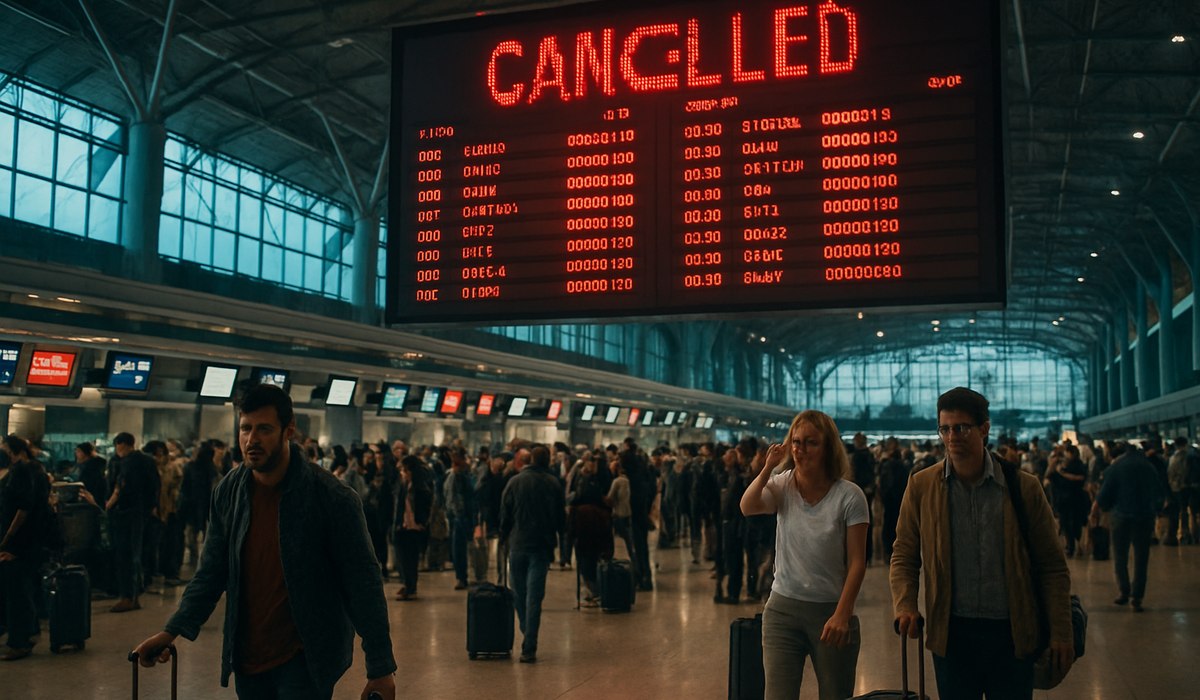
Image generated by AI
Thousands Face Major Disruptions as Chinese Carriers Report Severe Schedule Failures
Flight chaos across Asia and the Gulf reached critical levels on April 11, 2026, when three major Chinese carriers—China Eastern, Shanghai Airlines, and Hainan Airlines—simultaneously canceled 54 flights while delaying 368 additional departures. The disruptions cascaded through primary hubs at Beijing Capital and Shanghai, triggering cascading delays across secondary gateways in Mumbai, Chennai, Dubai, and Riyadh. Approximately 8,000 to 12,000 passengers faced rebooking challenges, missed connections, and extended airport waits as the operational crisis unfolded throughout the day.
Widespread Disruptions From China to the Gulf
The magnitude of flight chaos across the region became evident through real-time data from FlightAware, which tracked the 422 total schedule changes affecting both domestic and international services. Airlines reported that the disruptions stemmed from a combination of weather systems, airspace congestion, and operational bottlenecks that compressed crew availability and gate capacity simultaneously.
Regional media outlets documented long queues forming at check-in desks and transfer counters as passengers frantically sought alternative arrangements. The departure boards at major Chinese airports displayed predominantly red status indicators—a stark visual representation of the operational strain. What began as localized delays at Beijing and Shanghai quickly propagated through the entire Asia-Pacific-Gulf network, demonstrating the interconnected vulnerability of modern aviation systems.
Passengers bound for Middle Eastern destinations experienced the most severe impacts, as their flights either faced multi-hour delays or complete cancellations with limited rebooking alternatives available on the same routing.
Beijing and Shanghai Bear the Brunt of Schedule Disruptions
Beijing Capital Airport and Shanghai's primary terminals emerged as ground zero for the operational crisis. Both airports serve as primary hubs for the three affected carriers, concentrating the disruption impact at facilities already operating near maximum capacity during the busy spring travel season.
Historical punctuality data for Beijing Capital had already ranked China Eastern, Shanghai Airlines, and Hainan Airlines among carriers experiencing longer average delay times at the airport. The April 11 disruptions exacerbated this pattern, with departure delays stretching beyond one hour for numerous international flights. Ground handling crews faced compounding challenges as delayed aircraft created bottlenecks in gate availability, while crew rotation schedules fractured under the pressure of consecutive cancellations.
Shanghai's Pudong and Hongqiao airports, vital connectors for both regional and long-haul traffic, experienced triple-digit minute delays on several domestic rotations. The Yangtze River Delta region's rail infrastructure provided limited relief for flexibility-conscious travelers, but international passengers with onward connections lacked practical alternatives and remained dependent on airline rebooking decisions.
Cascading Impact on Regional Hubs Across South Asia and the Gulf
The flight chaos across Asia extended beyond China's borders, affecting critical gateway cities that serve as vital connection points for intercontinental travel. India's major metros—Mumbai and Chennai—experienced secondary disruption waves as Chinese carriers adjusted or canceled rotations on short notice. Passengers discovered themselves competing for scarce seats on a limited pool of alternative flights, with travel search platforms documenting increased schedule volatility compared with early April patterns.
Dubai and Riyadh emerged as prominent congestion points where transit passengers faced acute risks of missing long-haul connections. When inbound services from China or India arrived severely delayed or disappeared entirely, rebooking onto alternative departures became complicated by seat availability constraints and carrier-specific restrictions. Gulf hubs, already managing elevated passenger volumes as bridges between Asia, Europe, and Africa, absorbed additional pressure from stranded connecting traffic.
The shortage of available seat inventory during peak travel season meant that affected passengers often faced either multi-day waits for alternative flights or costly out-of-pocket changes to escape their predicaments.
Operational Strain Across Asia: Weather, Airspace, and Crew Fatigue
Multiple factors converged to create the perfect storm for flight chaos across the region. Seasonal weather patterns affecting East Asian airspace forced airlines to implement revised routing procedures, adding time and fuel to existing schedules. Simultaneously, temporary airspace restrictions in several Chinese control zones compressed available departure windows, creating bottlenecks that cascading delays throughout the day.
Crew fatigue represented an often-overlooked contributor to the cascading failures. When aircraft couldn't depart on schedule, pilots and flight attendants accumulated duty time violations that grounded subsequent rotations. Maintenance checks, similarly delayed by the congestion, further reduced available aircraft for rebooking purposes.
The cumulative effect of these independent factors—weather delays, airspace congestion, maintenance backlogs, and crew unavailability—created a domino effect through the network. Airlines couldn't recover the schedule swiftly because each solution required resolving multiple interdependent constraints simultaneously.
Traveler Action Checklist: Your Rights and Recovery Options
If your flight faced cancellation or delay on April 11, 2026, follow these numbered steps to protect your interests:
-
Document Everything: Photograph your boarding pass, ticket receipt, and any written communication from the airline regarding your flight status.
-
Check Eligibility for Compensation: Visit the U.S. Department of Transportation airline consumer rights portal to determine if you qualify for compensation under applicable regulations (typically $200-$600 USD depending on delay length).
-
Request Rebooking Immediately: Ask the airline to rebook you on the next available flight to your destination, preferably on an alternative carrier if the original airline lacks availability.
-
Capture Meal and Accommodation Receipts: Airlines must provide meals, hotels, and ground transportation during overnight delays for international flights. Keep all receipts as proof.
-
File a Formal Complaint: Submit written correspondence to your airline's customer relations department within 30 days, citing flight number, date, and specific losses incurred.
-
Consider Third-Party Assistance: Flight compensation companies can pursue claims on your behalf if the airline denies responsibility.
-
Monitor Your Airline's Service Credits: Some carriers offer future flight vouchers or miles—understand your eligibility and redemption deadlines.
Key Data: Impact Summary Table
| Metric | Value | Notes |
|---|---|---|
| Total Flight Cancellations | 54 flights | Across China Eastern, Shanghai Airlines, Hainan Airlines |
| Total Flight Delays | 368 flights | Additional disruptions beyond cancellations |
| Estimated Passengers Affected | 8,000-12,000 | Based on average aircraft capacity (150-180 seats) |
| Primary Airport Impacts | Beijing Capital, Shanghai Pudong | Primary hubs for affected carriers |
| Secondary Airport Impacts | Mumbai, Chennai, Dubai, Riyadh | International gateway disruptions |
| Average Delay Duration | 60+ minutes | Documented on departure boards through afternoon |
| Busiest Affected Routes | China-India, China-UAE, China-Saudi Arabia | Intercontinental traffic most impacted |
What This Means for Future Travelers
The April 11 disruptions underscore persistent vulnerabilities in Asian aviation infrastructure during peak travel seasons. Airlines operating thin margins on crew utilization and aircraft availability lack adequate buffers to absorb simultaneous operational shocks. Passengers should expect that similar weather patterns, airspace congestion, or maintenance issues may trigger comparable disruptions through April and May.
Business travelers relying on confirmed connections through Chinese hubs should build additional buffer time into itineraries—ideally overnight connections rather than same-day transfers. Leisure passengers might reconsider heavily-booked peak travel periods, when airline schedule flexibility diminishes significantly. Finally, maintain travel insurance that covers flight delay compensation, as airline-provided rebooking alone rarely compensates for lost time, missed meetings, or forfeited accommodations.
Disclaimer
This article is for informational and educational purposes only. It does not constitute legal, financial, or professional advice. While we strive to provide accurate and up-to-date information, travel policies, regulations, and conditions change rapidly. Always verify information with official sources before making travel decisions. Nomad Lawyer makes no representations about the accuracy, reliability, completeness, or suitability of the information provided. Readers should consult qualified professionals for advice specific to their circumstances. The views expressed in this article are those of the author and do not necessarily reflect the views of Nomad Lawyer.
Kunal K Choudhary
Co-Founder & Contributor
A passionate traveller and tech enthusiast. Kunal contributes to the vision and growth of Nomad Lawyer, bringing fresh perspectives and driving the community forward.
Learn more about our team →