
Flight Chaos Atlanta: 73 Cancellations Disrupt Spring Travel
Hartsfield-Jackson Atlanta International Airport faces flight chaos with 73 cancellations and 300+ delays on April 7, 2026, snarling connections across US and international networks during peak spring travel season.

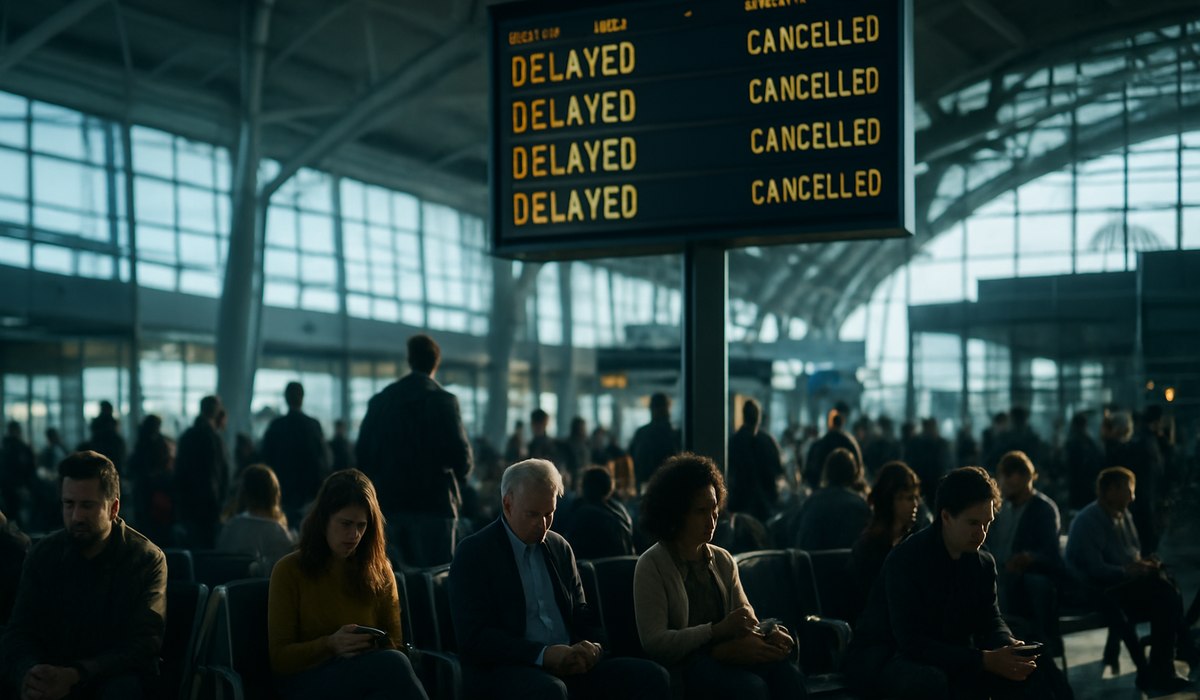
Image generated by AI
Flight Chaos Atlanta: Major Disruptions at World's Busiest Hub
Hartsfield-Jackson Atlanta International Airport ground to a halt on April 7, 2026, with 73 flight cancellations and over 300 delays cascading through the aviation network. The world's busiest passenger airport by volume saw widespread disruptions affecting domestic and international routes during peak spring travel season. Delta Air Lines, American Airlines, Southwest Airlines, and transatlantic carriers experienced the heaviest operational impact, leaving thousands of passengers stranded and forcing massive schedule reshuffles across the United States and Europe.
Fresh Disruptions at the World's Busiest Hub
Atlanta's primary airport recorded staggering numbers of operational failures on April 7. Flight-tracking data confirmed 73 canceled departures and arrivals alongside approximately 300 to 330 delayed flights during peak hours. The flight chaos Atlanta experienced involved a mix of domestic and international routes, complicating travel to major U.S. cities like New York, Chicago, Miami, and Orlando. European gateways serving London, Frankfurt, and Paris felt secondary impacts as connecting passengers missed their onward legs.
The scope of disruption reflects Atlanta's outsized role in the North American aviation network. Hartsfield-Jackson serves as a crucial hub for Delta Air Lines, which operates more flights there than any other carrier. When flight chaos strikes Atlanta, even modest cancellation percentages translate into thousands of affected passengers. Industry analysis shows that the airport's central position means local slowdowns rapidly produce nationwide missed connections and rolling delays across spoke airports experiencing no local weather problems.
Scale of Impact: Why Atlanta Matters
Understanding why flight chaos Atlanta generates such widespread consequences requires examining hub connectivity. Hartsfield-Jackson averages over 110 million annual passengers and handles approximately 2,700 daily flights. This volume means the airport functions as a critical transfer point for passengers originating in smaller markets who depend on the hub to reach other destinations.
When 73 cancellations occur at a typical airport, local disruption remains contained. At Atlanta, the same cancellations break hundreds of itineraries and leave aircraft and crews dangerously out of position. Secondary delays then ripple through the network as planes struggle to reach their next scheduled departure point. A delayed arrival in Atlanta directly delays departures from Boston to Los Angeles if that same aircraft was assigned. Network analysts emphasize that flight chaos Atlanta creates disproportionate national impact precisely because of this connecting traffic dependency.
Weather, Demand, and Staffing Collide
April 7 disruptions stemmed from converging operational pressures rather than a single cause. Spring weather systems brought thunderstorms, low visibility, and heavy rain to the Southeast, prompting ground delay programs at Hartsfield-Jackson. Seasonal passenger demand remained elevated as families traveled for spring break, while staffing constraints persisted across airlines and TSA security checkpoints.
Historical patterns show that brief ground stops cascade into extended schedule deterioration. A two-hour weather delay at Atlanta forces crews into illegal rest periods, aircraft into wrong positions, and departure slots to evaporate. Even after weather clears, airlines need 24 to 48 hours to restore normal schedules. Compounding factors—including air traffic control flow restrictions and gate availability limits—extend recovery timelines. Flight chaos Atlanta during spring demonstrates how the airport's operational complexity amplifies minor disruptions into major crises.
What Travelers Should Know Now
Passengers currently traveling through Atlanta face extended delays and likely rebooking complications. Hartsfield-Jackson operates at capacity during spring peak, leaving minimal schedule flexibility. Monitor real-time conditions using FlightAware for current cancellation and delay data. Check your airline's customer service page for rebooking options and compensation eligibility.
The FAA manages ground delay programs that may affect future Atlanta operations. Visit the U.S. Department of Transportation website for passenger rights information. Airlines must provide meals, lodging, and rebooking on alternative carriers when cancellations result from airline operations. Document all expenses for potential compensation claims under DOT regulations and airline policies.
| Metric | Details |
|---|---|
| Airport | Hartsfield-Jackson Atlanta International (ATL) |
| Date of Disruption | April 7, 2026 |
| Cancellations Recorded | 73 flights |
| Delays Reported | 300-330 flights |
| Primary Cause | Weather, high demand, staffing constraints |
| Most Affected Carriers | Delta, American, Southwest, European partners |
| Top Impacted Routes | ATL-NYC, ATL-ORD, ATL-MIA, ATL-London, ATL-Frankfurt |
| Average Delay Duration | 2-4 hours reported |
Traveler Action Checklist
Follow these steps immediately if your flight involves Atlanta:
-
Check flight status on your airline's app or FlightAware for current cancellation and delay information.
-
Contact your airline directly through customer service phone lines or social media channels for rebooking options before attempting airports.
-
Request written confirmation of any rebooking, meal voucher, or hotel arrangements to document your claim for future compensation.
-
Review your ticket to identify alternative routing options through different hubs like Dallas, Charlotte, or Chicago.
-
Document all additional expenses including meals, ground transportation, and lodging incurred due to the cancellation or delay.
-
File a DOT complaint at transportation.gov/airconsumer if your airline denies compensation for controllable delays or cancellations.
-
Monitor weather and operational updates throughout the day, as spring disruptions at Atlanta often extend into evening flights.
-
Consider travel insurance claims if you purchased coverage; gather receipts and airline communications immediately.
Frequently Asked Questions
What rights do I have if my Atlanta flight is canceled? The DOT requires airlines to provide rebooking on the next available flight at no additional cost. If the airline cannot accommodate you within 3 hours, you're entitled to meals, lodging, and ground transportation. You may also request a refund instead of rebooking. Keep all receipts for reimbursement claims.
How long do Atlanta disruptions typically take to clear? Recovery from major disruptions like flight chaos Atlanta usually requires 24 to 48 hours. Aircraft and crews need repositioning, which cascades through subsequent flights. Spring weather patterns can prompt recurring delays, extending recovery. Monitor updates through FlightAware for real-time status improvements.
Should I rebook through a different hub? Yes. If your Atlanta connection is canceled, immediately explore rebooking through Charlotte (CLT), Dallas (DFW), or Chicago (ORD). These hubs often have greater schedule flexibility during disruptions. However, ensure you're not losing significant convenience or incurring unreasonable travel time extensions.
Am I entitled to compensation beyond meals and hotels? Under DOT rules, passengers are not automatically entitled to financial compensation for weather-related cancellations. However, if the airline caused the cancellation through operational failures or maintenance issues, you may claim compensation. Document everything and file complaints with the DOT if your airline denies payment unjustly.
What This Means for Spring Travel
Flight chaos Atlanta during April demonstrates ongoing vulnerability in the North American aviation network. Spring peak season—Easter holidays, family trips, business travel—leaves little margin for error. Airports operating near capacity experience cascading failures when weather, staffing, or demand spike simultaneously.
Travelers should expect elevated delays throughout spring at major
Disclaimer
This article is for informational and educational purposes only. It does not constitute legal, financial, or professional advice. While we strive to provide accurate and up-to-date information, travel policies, regulations, and conditions change rapidly. Always verify information with official sources before making travel decisions. Nomad Lawyer makes no representations about the accuracy, reliability, completeness, or suitability of the information provided. Readers should consult qualified professionals for advice specific to their circumstances. The views expressed in this article are those of the author and do not necessarily reflect the views of Nomad Lawyer.
Raushan Kumar
Founder & Lead Developer
Full-stack developer with 11+ years of experience and a passionate traveller. Raushan built Nomad Lawyer from the ground up with a vision to create the best travel and law experience on the web.
Learn more about our team →