
Fire Damages Hanover Trash Transfer Station Building, Disrupting Waste Operations and Prompting Regional Resilience Review in 2026
A fire at the Hanover Trash Transfer Station damaged a key waste facility building, triggering temporary service changes and raising questions about infrastructure resilience for residents and travelers alike.

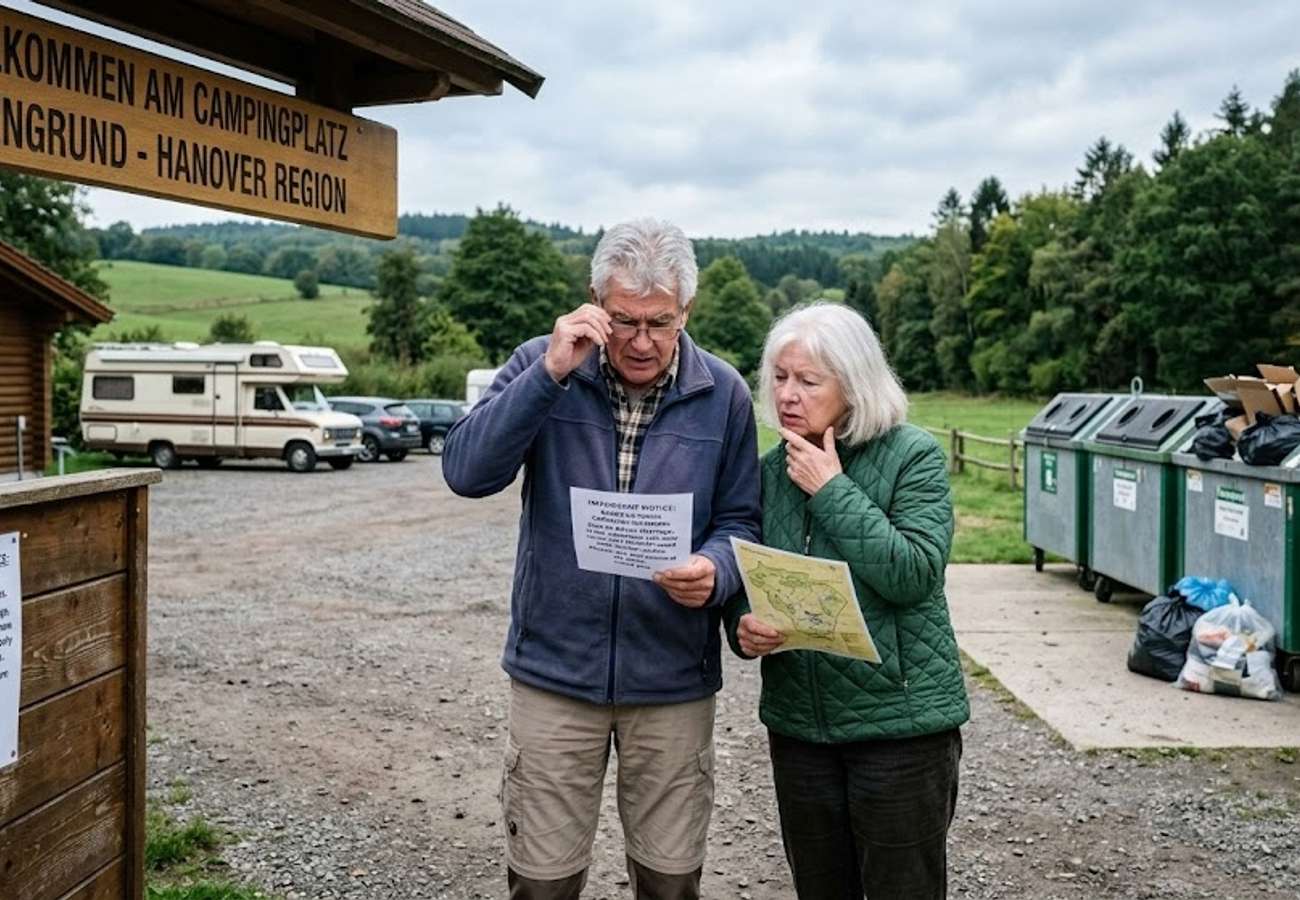
Image generated by AI
A single fire at the Hanover Trash Transfer Station has exposed how fragile regional waste infrastructure can be — and travelers passing through the area will likely notice the ripple effects at hotels, campgrounds, and public rest areas for weeks to come.
The blaze damaged one of the facility's core buildings, halting operations in that section while emergency crews secured the scene and began clearing debris. No injuries were reported, but the structural damage has forced local authorities to reroute drop-offs, adjust operating hours, and ask both residents and commercial haulers to adapt to modified procedures at the site.
How the Incident Unfolded at a Critical Waste Hub
The Hanover Trash Transfer Station functions as a central consolidation point where municipal waste is collected, compacted, and loaded for transport to longer-term disposal or recycling sites. When the fire damaged a portion of the facility, that chain was broken — at least temporarily.
According to local government updates and regional news coverage, the fire was contained to a specific section of the site, but the affected building sustained notable damage. Access lanes and loading areas remained under review as officials examined potential heat and smoke impacts on nearby infrastructure. Operations in and around the damaged structure were halted while crews ensured the area was safe.
Initial accounts do not point to injuries. Attention has instead centered on the structural damage and the short-term loss of capacity at the transfer station. Local emergency responders and public works teams coordinated their efforts to secure the scene and begin an orderly recovery process.
The incident highlights just how pivotal transfer stations are within regional waste systems. Even a single-day disruption can affect curbside collection routes, commercial hauling schedules, and recycling flows — producing swift, visible changes in how trash is received and processed across the community.
What Changed for Residents and Commercial Haulers
Following the fire, publicly posted advisories outlined a series of temporary changes for both residents and commercial haulers who depend on the Hanover facility. Some drop-off functions at the damaged building were suspended or rerouted entirely, while other parts of the site continued accepting material under modified procedures.
When a transfer station experiences an unplanned shutdown, incoming loads are typically redirected to neighboring facilities, or scheduled operating hours are reduced while cleanup progresses. Regional waste management notices and comparable case studies indicate that haulers are often instructed to use alternate transfer locations or deliver directly to landfills until normal capacity is restored.
Residents in the Hanover area have been encouraged through public postings and media coverage to check local channels for the latest operating hours, accepted materials, and any restrictions tied to the damaged building. For some users, this means temporarily limiting bulky item drop-offs, delaying nonessential yard waste disposal, or staggering visits to avoid congestion at the site.
Travelers staying in nearby accommodations may also experience indirect effects. Altered pickup times for hotel and short-term rental waste are common during such disruptions. While these changes are typically minor and short-lived, they can influence how properties manage trash storage and collection during peak travel periods — particularly in a region that hosts seasonal tourism and major road corridors.
Structural Assessments and the Road to Repair
Structural assessments are now underway to determine the full extent of damage to the affected transfer station building. These evaluations typically focus on the roof, support beams, interior walls, and mechanical systems such as compactors, conveyors, and fire protection equipment.
If key systems inside the building were compromised, local waste officials may need to source replacement equipment and schedule substantial repairs or full reconstruction. Capital planning documents from similar municipalities show that such work can involve six-figure investments and multi-month timelines, depending on the complexity of the transfer infrastructure and the availability of specialized contractors.
In the near term, the priority is restoring enough operational capacity to keep residential and commercial trash moving without prolonged delays. That may include temporary repairs, on-site reconfiguration of traffic patterns, and the deployment of portable equipment to handle critical functions while permanent solutions are designed.
Longer term, the incident is likely to prompt discussion about additional fire detection and suppression measures, along with broader resilience upgrades. Recent planning studies at other transfer stations highlight options such as compartmentalized tipping floors, enhanced ventilation, heat-resistant cladding, and improved monitoring of hot loads that can arrive in commercial or residential trash.
Cultural and Environmental Value: Rethinking Waste as a Shared Responsibility
For the visitor, the real impact is subtle but tangible. Transfer stations like the one in Hanover operate largely in the background of daily life, yet they are essential to keeping streets, public spaces, and lodging properties free of accumulating trash. A fire that temporarily removes one building from service reveals just how interdependent local waste systems are — especially in communities that receive seasonal tourism.
The most visible impacts for travelers appear in small ways: dumpsters emptied later in the day, temporary on-site waste storage at campgrounds or marinas, or updated instructions at lodging properties about separating recyclables and trash. Local hospitality businesses often respond by adjusting collection schedules, compacting trash more frequently, or coordinating with alternative haulers until normal transfer operations resume.
Environmental advocates and planners frequently view these disruptions as opportunities to rethink how waste is generated and managed. Increased emphasis on waste reduction, better separation of hazardous or combustible materials, and expanded recycling and organics programs can reduce both the volume and volatility of material entering transfer stations — thereby lowering fire risks over time.
The Hanover incident may also encourage nearby towns and counties to revisit contingency planning for waste and recycling during facility outages. In previous cases across North America, regional partnerships have allowed haulers to divert loads across jurisdictional lines in response to fires, severe weather, or mechanical breakdowns. Such cooperation helps avoid service interruptions that would be noticeable to visitors and residents alike.
Visitor Insider Tips: Navigating Hanover During the Disruption
Travelers heading through the Hanover area in the weeks following the fire should expect minor adjustments rather than major disruptions. Publicly posted service notices and hospitality industry updates suggest a few practical steps:
- Follow updated trash instructions at lodging properties. Short-term rental guests, hotel visitors, and campers should watch for revised pickup days or changes in how recyclables are sorted and stored. Property managers are posting updated guidance as schedules shift.
- Reduce unnecessary waste where possible. Limiting packaging, reusing containers, and consolidating trash can help reduce pressure on a system temporarily operating with reduced infrastructure. This is especially helpful at campgrounds and marinas where on-site storage may be limited.
- Watch for temporary signage at public facilities. Rest areas, parks, and marinas may display revised service schedules near dumpsters or collection points. These measures are designed to maintain cleanliness and safety standards despite the behind-the-scenes disruption.
- Check local government channels before visiting the transfer station directly. If you need to dispose of waste from an RV or camper, verify accepted materials and operating hours before arriving, as some drop-off functions remain suspended or rerouted.
- Practice basic waste-conscious habits. Simple actions — separating recyclables properly, avoiding bulky item drop-offs during the repair period, and staggering visits — can ease the burden on the facility and the community.
Tourism Outlook: What This Means for Hanover Going Forward
As repair work advances and more information becomes publicly available, local channels are expected to provide updates on restored capacity and any permanent changes to the Hanover Trash Transfer Station layout or operating procedures.
The long-term outlook suggests this incident could serve as a catalyst for infrastructure investment in the region. Enhanced fire suppression systems, compartmentalized design features, and improved monitoring protocols are all on the table as officials assess what went wrong and how to prevent similar events.
For the traveling public, staying attentive to posted guidance and practicing basic waste-conscious habits can help the community navigate the aftermath while repairs continue. The fire at Hanover is a reminder that the systems keeping destinations clean and functional are more fragile than they appear — and that travelers play a role in supporting that infrastructure, even indirectly.
Sometimes the most meaningful travel habit is knowing where your trash goes — and what happens when it can't.
Related Travel Guides
Disclaimer
This article is for informational and educational purposes only. It does not constitute legal, financial, or professional advice. While we strive to provide accurate and up-to-date information, travel policies, regulations, and conditions change rapidly. Always verify information with official sources before making travel decisions. Nomad Lawyer makes no representations about the accuracy, reliability, completeness, or suitability of the information provided. Readers should consult qualified professionals for advice specific to their circumstances. The views expressed in this article are those of the author and do not necessarily reflect the views of Nomad Lawyer.
Raushan Kumar
Founder & Lead Developer
Full-stack developer with 11+ years of experience and a passionate traveller. Raushan built Nomad Lawyer from the ground up with a vision to create the best travel and law experience on the web.
Learn more about our team →