Finnair Doubles Helsinki to Tokyo Narita Flights: European Summer Travel Guide to Japan 2027

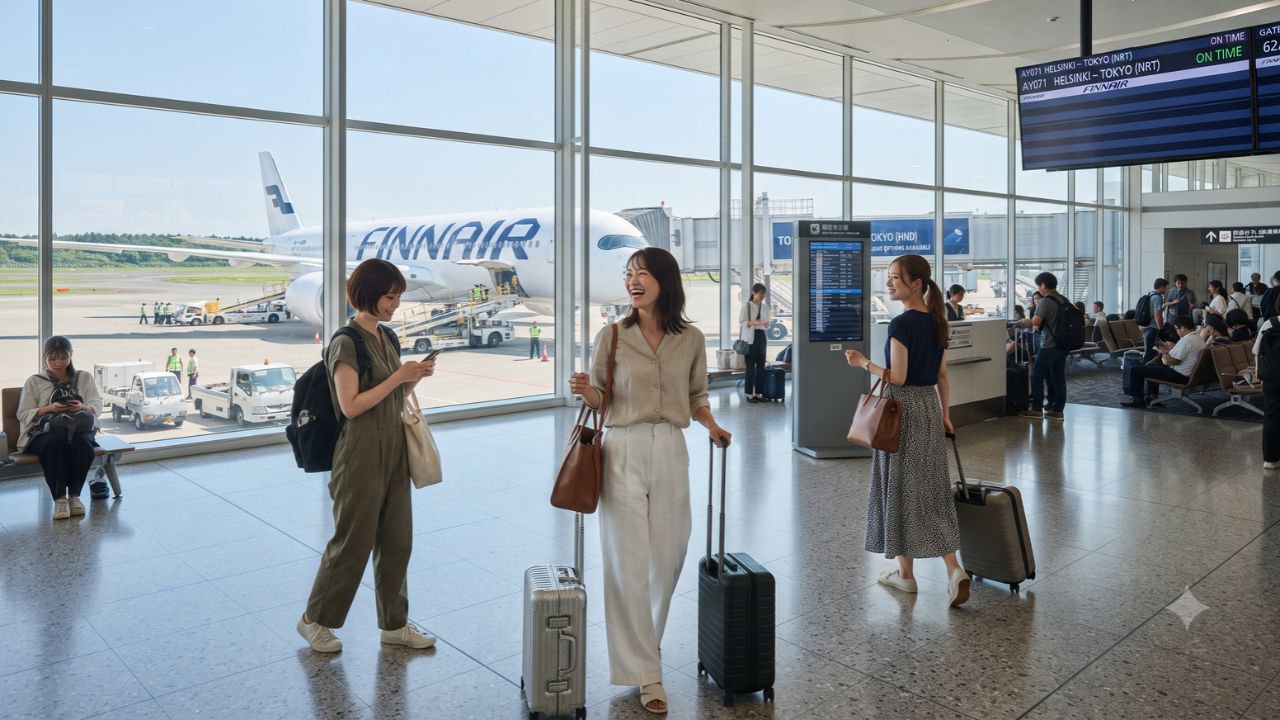
While most first-time tourists head straight to Shibuya Crossing, the preserved Yanaka neighborhood just 15 minutes north of Tokyo Station offers Edo-era wooden temples, quiet cemetery lanes shaded by ancient sakura trees, and family-owned craft breweries. European travelers planning summer journeys across Japan will gain unprecedented flight flexibility in 2027 as Finnair doubles its flagship Helsinki-to-Tokyo Narita service. Commencing 12 May 2027 and continuing through 14 August 2027, the Nordic flag carrier will operate two daily round trips on the Narita route, anchoring a summer network of 32 weekly round-trip flights spanning Tokyo Narita, Tokyo Haneda, Osaka Kansai, and Nagoya.
Running within Finnair's broader summer 2027 schedule from 28 March through 30 October 2027, this capacity expansion provides European travelers with seamless connections through Finavia Helsinki Airport. Understanding the dual-airport dynamics of Tokyo and planning open-jaw routes allows travelers to navigate Japan's dynamic metropolitan and historic centers with ease.
The Trans-Siberian Bypass: 32 Weekly Flights Connecting Europe and Japan
Operating across the top of the globe through its compact Nordic hub, Finnair provides one of the fastest geographic routes linking Northern, Western, and Southern Europe with the Japanese archipelago. The expansion to two daily Narita flights complements the carrier's year-round daily operations into Tokyo Haneda, giving travelers a choice between central urban proximity and wide-ranging long-haul departure times.
| Route & Gateways | Operating Frequency | Summer 2027 Operational Window | Strategic Travel Value |
|---|---|---|---|
| Helsinki (HEL) to Tokyo Narita (NRT) | 2 Daily Round Trips | 12 May 2027 – 14 August 2027 | Peak summer leisure capacity & afternoon arrivals |
| Helsinki (HEL) to Tokyo Haneda (HND) | Daily Service | Full Summer Season (28 Mar – 30 Oct) | 19 km from central Tokyo; rapid evening transfers |
| Helsinki to Osaka Kansai (KIX) | Scheduled Weekly | Full Summer Season (28 Mar – 30 Oct) | Direct access to Kyoto, Nara, and Kansai food culture |
| Helsinki to Nagoya Chubu (NGO) | Scheduled Weekly | Full Summer Season (28 Mar – 30 Oct) | Central gateway to Japanese Alps and historic Takayama |
| Total Network Capacity | 32 Weekly Round Trips | Across 4 Japanese Hubs | Open-jaw itineraries avoiding back-tracking to Tokyo |
This capacity increase comes amid sustained global travel demand. Official data from the Japan National Tourism Organization recorded 3,098,900 international arrivals in August 2026. While overall figures showed a 9.6% year-on-year adjustment compared to August 2025, 14 major international source markets set all-time August visitor records, including the United States, India, France, Italy, Spain, and the Nordic region. Furthermore, figures from Japan's Ministry of Land, Infrastructure, Transport and Tourism (MLIT) showed that the nation's summer international network reached 5,996.5 scheduled weekly flights (including 5,445.5 passenger flights), with Tokyo Haneda and Fukuoka posting year-on-year flight gains.
What Makes Tokyo Airport Transit Different: Haneda versus Narita
Navigating arrival into Tokyo requires understanding the geographic distinction between its two international gateways. Haneda Airport (HND) sits just 19 kilometers south of Tokyo Station along Tokyo Bay. Passengers landing at Haneda can board the Tokyo Monorail to Hamamatsucho or take the Keikyu Airport Line to Shinagawa in approximately 30 minutes.
In contrast, Narita International Airport (NRT) is situated 65 kilometers northeast of central Tokyo in Chiba Prefecture. Rail travel into central stations like Nippori or Ueno takes around 36 to 45 minutes aboard the Keisei Skyliner (traveling at 160 km/h), while the JR Narita Express reaches Tokyo Station and Shinjuku in roughly one hour. Highway limousine buses and private taxis take considerably longer during peak morning and evening traffic corridors.
Knowing this distinction enables smart travelers to book open-jaw tickets: flying into Haneda to dive directly into central nightlife districts like Shibuya or Roppongi, and departing out of Narita or Osaka Kansai after touring western Japan.
Visitor Insider Tips: Exploring Tokyo Like a Local
- Leverage Open-Jaw Multi-City Tickets: Avoid wasting time and money backtracking on the Shinkansen bullet train back to Tokyo. Book Finnair into Tokyo Haneda (HND) or Narita (NRT), travel west through Mount Fuji, Kyoto, and Hiroshima, and depart internationally directly from Osaka Kansai (KIX) or Nagoya (NGO).
- Master the Keisei Skyliner and Digital Transit Passes: When arriving at Narita, purchase a Keisei Skyliner ticket paired with a 24-, 48-, or 72-hour Tokyo Subway Ticket. Download a digital Welcome Suica or Pasmo card to your smartphone wallet before departing Europe to tap through automated train gates seamlessly without purchasing individual paper tickets.
- Send Heavy Luggage Ahead via Takuhaibin: If you plan to travel between Tokyo and Kyoto or hike the Nakasendo trail, use luggage forwarding (takuhaibin) services like Yamato Transport (the Black Cat). Counters are located in both Narita and Haneda arrival lobbies; for approximately 2,000 to 2,500 yen per suitcase, your luggage will be delivered directly to your hotel the next morning.
- Experience Summer Neighborhood Matsuri and Fireworks: Summer in Tokyo brings traditional street festivals (matsuri). In late July, attend the historic Sumida River Fireworks Festival in Asakusa, or explore local neighborhood shrine festivals in Kagurazaka, where residents don cotton yukata robes and neighborhood stalls serve grilled yakitori, shaved kakigori ice, and cold draft beer.
- Escape Midday Summer Heat in Shaded Gardens: Tokyo summers can be humid. Spend the warmest afternoon hours between 1:00 pm and 4:00 pm exploring the air-conditioned galleries of the Tokyo National Museum in Ueno Park, or walk beneath the dense cedar tree canopy of Meiji Jingu Shrine in Harajuku.
Cultural and Environmental Context of Japanese Tourism Growth
The steady rise in international arrivals across Japan highlights the importance of sustainable travel practices and regional dispersal. While traditional tourist sights in central Kyoto and Tokyo’s core shopping districts experience heavy congestion, regional initiatives encourage visitors to explore secondary prefectures across central and western Japan.
Japan's modern electric railway network represents one of the lowest-emission passenger transportation grids in the world. By landing via direct long-haul flights in regional centers like Nagoya or Osaka and utilizing clean rail travel for domestic journeys, international visitors reduce localized air pollution while supporting family-run ryokans, artisan craft studios, and organic tea producers across rural communities.
FAQ: Flying Finnair to Tokyo and Summer Japan Travel 2027
When does Finnair's double-daily Narita service operate?
The additional daily flight on the Helsinki–Tokyo Narita route operates during the summer peak between 12 May 2027 and 14 August 2027.
Which is better for travelers: Tokyo Haneda or Narita Airport?
Haneda Airport is closer to downtown Tokyo (19 km / 30 mins), making it ideal for quick hotel transfers, while Narita Airport (65 km / 1 hr by express train) offers extensive long-haul international flight schedules.
Can I fly into Tokyo and depart from another Japanese city with Finnair?
Yes. Finnair operates scheduled services across Tokyo Haneda, Tokyo Narita, Osaka Kansai, and Nagoya, allowing flexible open-jaw multi-city bookings.
Related Travel Guides
This article is for informational purposes. Flight routes, passenger regulations, visa rules, and transit advisories are subject to change by airlines and aviation authorities. Readers are advised to verify schedules and travel documentation with relevant carriers and border agencies before departure.
Related Stories

United Airlines Expands Japan Network with New Tokyo-Chicago Route and Luxury Boeing 787-9 Houston Service in 2026

Singapore Airlines and Global Carriers Accelerate Multi-Billion-Dollar Premium Cabin Investments Ahead of 2027 Rollout