
Finland and Poland Face European Tourism Revenue Slump as UN Tourism Data Reveals 10.7% Drop: New Travel Alert
UN Tourism data reveals Finland suffered a 10.7% drop and Poland a 0.5% decline in international tourism receipts from Jan–May 2026, driven by rising costs and shifting visitor spending.

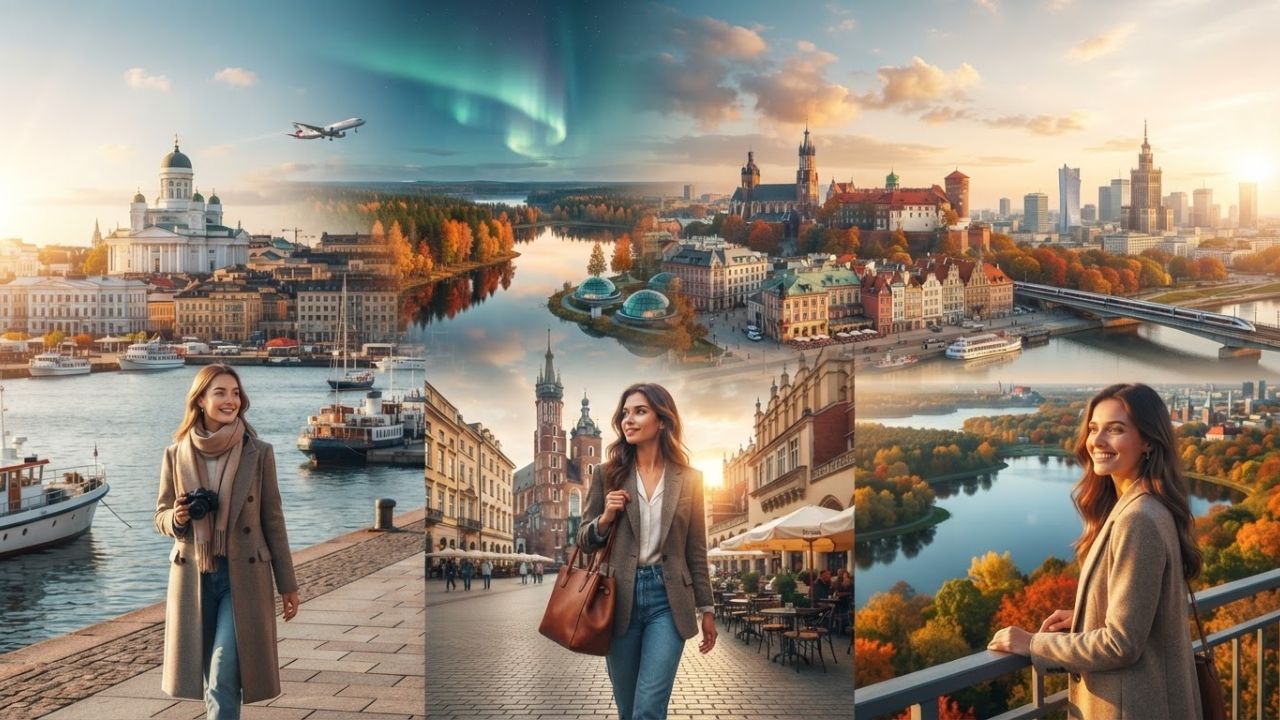
Image generated by AI
Finland and Poland Face European Tourism Revenue Slump as UN Tourism Data Reveals 10.7% Drop in Visitor Receipts: New Travel Alert
Published on July 29, 2026
Newly released UN Tourism data for the January to May 2026 period reveals a significant contraction in international tourism revenue across Northern and Central Europe, with Finland suffering a 10.7% drop in international tourism receipts and Poland recording a 0.5% decrease. Driven by rising travel costs, persistent inflation, heavy dependence on seasonal winter travel, and shifting consumer spending habits, the figures highlight a major transformation in European travel. Rather than competing solely for raw visitor numbers, European destinations are now locked in an intense battle to attract higher-spending tourists who stay longer, forcing countries to adapt their pricing and tourism models.
📌 Quick Summary: Key Facts for Travelers
- Finland Tourism Receipts Decline: International tourist spending in Finland fell by 10.7% between January and May 2026, hit hard by high Lapland winter costs.
- Poland Shows Greater Resilience: Poland logged a minor 0.5% decline in tourism revenue over the same period, supported by affordable city-break pricing.
- UN Tourism Data Insights: Official data shows European travelers are cutting trip durations, selecting cheaper lodging, and spending less on dining and activities.
- Seasonal Risk Factors: Heavy dependence on premium winter Lapland excursions leaves Finland vulnerable to budget-conscious consumer shifts.
- Strategic Shift Across Europe: Destinations are pivoting away from arrival volume toward developing year-round nature, wellness, and premium cultural tourism.
Context: The Macro Shift in European Tourism Metrics
The latest statistics published by UN Tourism for the first five months of 2026 signal a fundamental shift in how European countries evaluate travel performance. For decades, national tourism boards measured success primarily by counting international border arrivals. However, rising inflation across Europe, elevated airfares, and increasing hospitality expenses have altered traveler spending behavior.
Modern holidaymakers are increasingly scrutinizing total travel value. While international arrival volumes remain steady in many regions, total visitor expenditure is falling as travelers shorten their stays, opt for self-catering or budget accommodation, and reduce discretionary spending on guided tours, dining, and retail.
Event Details: UN Tourism Data for Finland and Poland (Jan–May 2026)
The official UN Tourism data outlines contrasting economic realities for Northern and Central European travel:
1. Finland’s 10.7% Revenue Contraction
Finland recorded one of the steepest declines in international tourism receipts among European destinations, falling 10.7% during the January–May 2026 period. Renowned for its world-famous Lapland winter tourism, Northern Lights excursions, Arctic adventures, and pristine lake landscapes, Finland attracts travelers seeking premium experiences. However, high baseline costs for accommodation, guided tours, dining, and transportation have led budget-conscious international travelers to trim their spending or seek cheaper Arctic alternatives.
2. Poland’s 0.5% Contraction and Price Resilience
In contrast, Poland registered a minimal 0.5% decline in tourism receipts over the same five-month period. Poland benefits from a diverse, budget-friendly tourism appeal anchored by historic cultural cities—such as Warsaw, Kraków, and Gdańsk—alongside scenic mountain regions. While Poland’s competitive pricing continues to attract steady international visitor traffic, the challenge lies in encouraging these cost-conscious tourists to spend more on premium lodging and experiences.
European Tourism Economic & Visitor Impact Matrix
The table below contrasts the tourism challenges and market positions of Finland and Poland:
| Country | Jan–May 2026 Receipt Change | Primary Tourism Strengths | Core Revenue Challenges | Visitor Spending Behavior Adaptations |
|---|---|---|---|---|
| Finland | -10.7% Slump | Lapland, Northern Lights, Arctic adventures, lakes | Heavy winter dependence, high premium pricing | Shorter stays, booking cheaper lodging, fewer paid tours |
| Poland | -0.5% Minor Dip | Warsaw, Kraków, Gdańsk, mountains, culture | Low spending per visitor despite high visitor volume | Selecting budget hotels, choosing cheaper dining options |
| Broad European Market | Revenue Volatility | Diverse cultural, historical & nature offerings | Rising inflation, elevated transportation & activity fees | Evaluating overall travel value over raw destination popularity |
Risk and Impact Analysis: Heavy Seasonal Reliance and Rising Travel Costs
The drop in tourism receipts highlights specific structural vulnerabilities across European travel markets:
- High-Cost Arctic Vulnerability: Finland’s heavy reliance on peak winter Lapland tourism leaves its economy exposed when international travelers cut back on expensive seasonal holidays.
- Cost-of-Living Adjustments: Rising hotel rates, restaurant prices, and transport fees across Europe force families to reduce secondary spending on shopping and guided excursions.
- Shortened Trip Durations: International tourists are shortening 7-day trips to 4 or 5 days to keep total holiday expenditure within fixed household budgets.
- Competition from Value Destinations: Premium Nordic destinations face growing competition from affordable Eastern and Central European alternatives offering cultural experiences at lower costs.
What Tourism Boards and Industry Analysts Are Saying
Industry experts emphasize that European destinations must adapt quickly to changing consumer priorities:
"The latest UN Tourism data demonstrates that high visitor numbers no longer guarantee strong economic returns," stated a European tourism economics analyst. "Finland’s 10.7% drop illustrates the vulnerability of high-cost seasonal models during economic uncertainty, while Poland’s minor 0.5% dip proves that affordability attracts volume, but creating high-value experiences is essential for long-term revenue growth."
National tourism authorities in both countries are adjusting their marketing campaigns to emphasize value, quality, and extended stay incentives.
Practical Traveler Advice Checklist for European Holidaymakers
Travelers planning vacations in Northern or Central Europe can maximize their travel budgets using these practical strategies:
- Explore Finland’s Summer and Shoulder Seasons: Visit Finland during late spring, summer, or autumn to experience lake districts and national parks at significantly lower accommodation prices than peak winter.
- Capitalize on Poland’s Cultural Value: Explore historic Polish cities like Warsaw, Kraków, and Gdańsk for world-class dining, museums, and architecture at a fraction of Western European costs.
- Book Lapland Excursions Well in Advance: If traveling to Finnish Lapland for winter activities, lock in early-bird rates for accommodation and Northern Lights tours.
- Compare Package Rates vs. Independent Booking: Evaluate whether bundled flight-and-hotel deals offer better total value than booking accommodation and activities separately.
- Set Discretionary Daily Budgets: Factor in local transportation, dining, and activity fees before departure to manage total trip expenses effectively.
Broader Context: Changing Traveler Behavior Across Europe
The tourism receipt declines in Finland and Poland mirror broader changes in global consumer mindset. Post-pandemic travel surges have given way to a more pragmatic approach, where international travelers weigh destination costs against overall experience quality, sustainability, and convenience.
While luxury and budget travel segments continue to perform, mid-market travelers are increasingly budget-conscious. This shift requires European destinations to clearly articulate their value proposition rather than relying solely on traditional brand prestige.
Looking Ahead: Building Resilient Year-Round Tourism Models
To stabilize tourism revenue, both Finland and Poland are implementing strategic long-term initiatives:
- Finland’s Year-Round Pivot: Expanding summer nature tourism, outdoor wellness retreats, sauna culture, and sustainable autumn travel to reduce winter Lapland reliance.
- Poland’s High-Value Expansion: Developing luxury boutique accommodation, wellness spas, premium cultural tours, and international business MICE events to boost per-visitor spending.
- Enhanced European Marketing: Re-aligning promotional efforts to target long-stay international travelers from North America and Asia who generate higher average receipts.
Through strategic product diversification and value-focused marketing, both nations aim to rebuild international tourism receipts in the coming years.
Conclusion
The 10.7% slump in Finnish tourism receipts and Poland's 0.5% dip reflect a broader evolution in European travel, where rising costs and seasonal dependencies are reshaping visitor behavior. Whether navigating premium Arctic pricing in Finland or exploring affordable cultural gems in Poland, travelers are prioritizing overall value. By planning trips strategically and exploring shoulder seasons, international holidaymakers can continue enjoying memorable European travel experiences.
Frequently Asked Questions (FAQ)
What caused the decline in tourism receipts in Finland and Poland?
According to UN Tourism data for Jan–May 2026, the decline was driven by rising travel costs, inflation, heavy reliance on seasonal winter travel, and budget-conscious travelers shortening stays and cutting discretionary spending.
How much did international tourism receipts drop in Finland and Poland?
Between January and May 2026, international tourism receipts dropped by 10.7% in Finland and by 0.5% in Poland.
Why is Finland more vulnerable to tourism revenue declines?
Finland relies heavily on high-cost, seasonal winter tourism in Lapland (such as Northern Lights and Arctic tours). When global travelers face financial uncertainty, premium-priced destinations experience sharper drops in visitor spending.
Why did Poland experience a smaller decline in tourism receipts?
Poland offers highly affordable European city-break and cultural destinations (such as Warsaw, Kraków, and Gdańsk), attracting budget-conscious travelers seeking value without extreme costs.
How are European destinations adapting to declining tourism revenue?
Destinations are pivoting away from measuring success by raw arrival numbers, focusing instead on developing year-round nature and wellness tourism, premium cultural experiences, and incentives for longer stays.
Related Travel Guides
Disclaimer
This article is for informational and educational purposes only. It does not constitute legal, financial, or professional advice. While we strive to provide accurate and up-to-date information, travel policies, regulations, and conditions change rapidly. Always verify information with official sources before making travel decisions. Nomad Lawyer makes no representations about the accuracy, reliability, completeness, or suitability of the information provided. Readers should consult qualified professionals for advice specific to their circumstances. The views expressed in this article are those of the author and do not necessarily reflect the views of Nomad Lawyer.
Kunal K Choudhary
Co-Founder & Contributor
A passionate traveller and tech enthusiast. Kunal contributes to the vision and growth of Nomad Lawyer, bringing fresh perspectives and driving the community forward.
Learn more about our team →