
EU Implements Biometric Entry Exit System for Schengen Area Border Controls in 2026
The European Union is replacing traditional passport stamps with a mandatory biometric border system for non-EU travelers entering the Schengen Area in 2026.

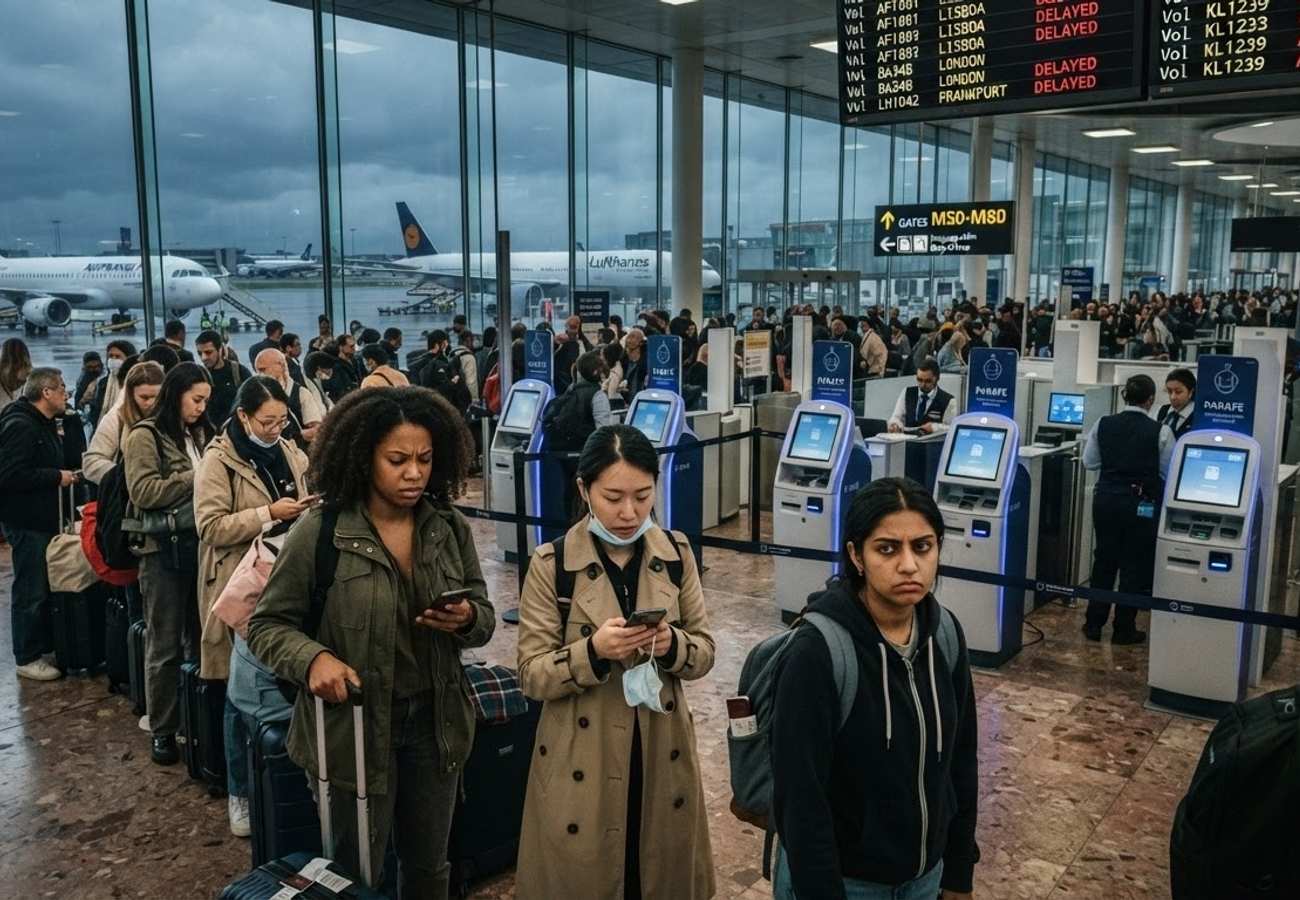
Image generated by AI
The European Union is transitioning to a mandatory digital identity framework for all non-EU nationals entering the Schengen Area, effectively ending the era of manual passport stamping.
The rollout of the EU Entry Exit System (EES) marks a fundamental shift in border management. This technology-driven process replaces physical stamps with a digital ledger to track the movement of international visitors. Despite reported operational pressures and staffing shortages at several key airports, EU officials have confirmed the system will not be paused, citing the necessity of a synchronized approach across the interconnected Schengen network.
The Mechanics of the EU Entry Exit System
The EES is designed to modernize the registration of non-EU travelers. Upon their first entry into the Schengen Area, eligible visitors must undergo a biometric enrollment process. This involves the collection of:
- Facial Images: High-resolution scans for identity verification.
- Fingerprints: Digital captures to ensure unique identification.
Once registered, these biometric markers are linked to the traveler's passport, allowing authorities to verify identity digitally during subsequent trips without repeating the full enrollment process.
Strategic Objectives of Digital Border Control
Industry observers note that the transition to biometric verification is driven by five primary security and administrative goals:
- Precision Tracking: Maintaining automated, accurate records of every entry and exit.
- Overstay Detection: Instantly identifying visitors who exceed their permitted stay limits.
- Fraud Prevention: Utilizing biometric data to detect identity theft and document misuse.
- Inter-State Coordination: Synchronizing traveler data across all Schengen member countries.
- Security Hardening: Strengthening the external borders of the European Union.
Operational Challenges and Implementation
The deployment has not been without friction. High passenger volumes and the learning curve associated with new hardware have led to processing delays at various border points.
EU authorities have rejected proposals to suspend the rollout in struggling regions. Because the Schengen Area operates as a single travel zone—where a traveler may enter via one member state and exit through another—a fragmented system would create critical data gaps. Market trends suggest that the EU is prioritizing systemic consistency over short-term operational convenience.
Impact on International Travelers
For those planning travel in 2026, the arrival and departure experience will differ significantly from previous years. The reliance on manual checks is being phased out in favor of automated kiosks and digital verification.
Travelers should anticipate the following:
- Extended Processing Times: Initial registration of biometrics may cause longer queues at busy hubs.
- Digital Verification: Future entries will rely on facial recognition and fingerprint matching.
- Increased Documentation Rigor: A higher emphasis on the digital alignment of passports and biometric records.
Technical Infrastructure: Facial Recognition and Fingerprints
The core of the new system relies on advanced facial recognition travel checks. This allows border agents to confirm that the individual presenting the document matches the biometric data stored in the central EU database. This shift removes the human error associated with manual passport inspection and provides a detailed, immutable record of international movements.
Logistics for 2026 Visitors
To mitigate potential delays, the following preparations are recommended for non-EU nationals:
- Buffer Time: Arrive at airports earlier than standard requirements to accommodate biometric enrollment.
- Document Readiness: Ensure passports are valid and ready for digital scanning.
- Regulatory Awareness: Verify specific Schengen stay limits prior to departure to avoid flags in the new digital system.
Systemic Evolution of European Travel
The shift toward "smarter" borders is part of a broader global trend toward automated identity management. EU officials expect the EES to eventually reduce the administrative burden on border officers while increasing the speed of passenger movement through enhanced automation.
Expected long-term outcomes include:
- Accelerated identity verification for frequent travelers.
- Near-instant detection of fraudulent travel documents.
- Seamless data sharing between European security agencies.
The transition to biometric borders represents the most significant overhaul of Schengen access protocols in decades.
Related Travel Guides
Disclaimer
This article is for informational and educational purposes only. It does not constitute legal, financial, or professional advice. While we strive to provide accurate and up-to-date information, travel policies, regulations, and conditions change rapidly. Always verify information with official sources before making travel decisions. Nomad Lawyer makes no representations about the accuracy, reliability, completeness, or suitability of the information provided. Readers should consult qualified professionals for advice specific to their circumstances. The views expressed in this article are those of the author and do not necessarily reflect the views of Nomad Lawyer.
Raushan Kumar
Founder & Lead Developer
Full-stack developer with 11+ years of experience and a passionate traveller. Raushan built Nomad Lawyer from the ground up with a vision to create the best travel and law experience on the web.
Learn more about our team →