
US Government Issues Cannabis Travel Warning for Visitors to Las Vegas, Denver, and Los Angeles in 2026
Federal authorities warn travelers that state-level cannabis legalization in hubs like Nevada and Colorado does not override federal law at airports and borders.

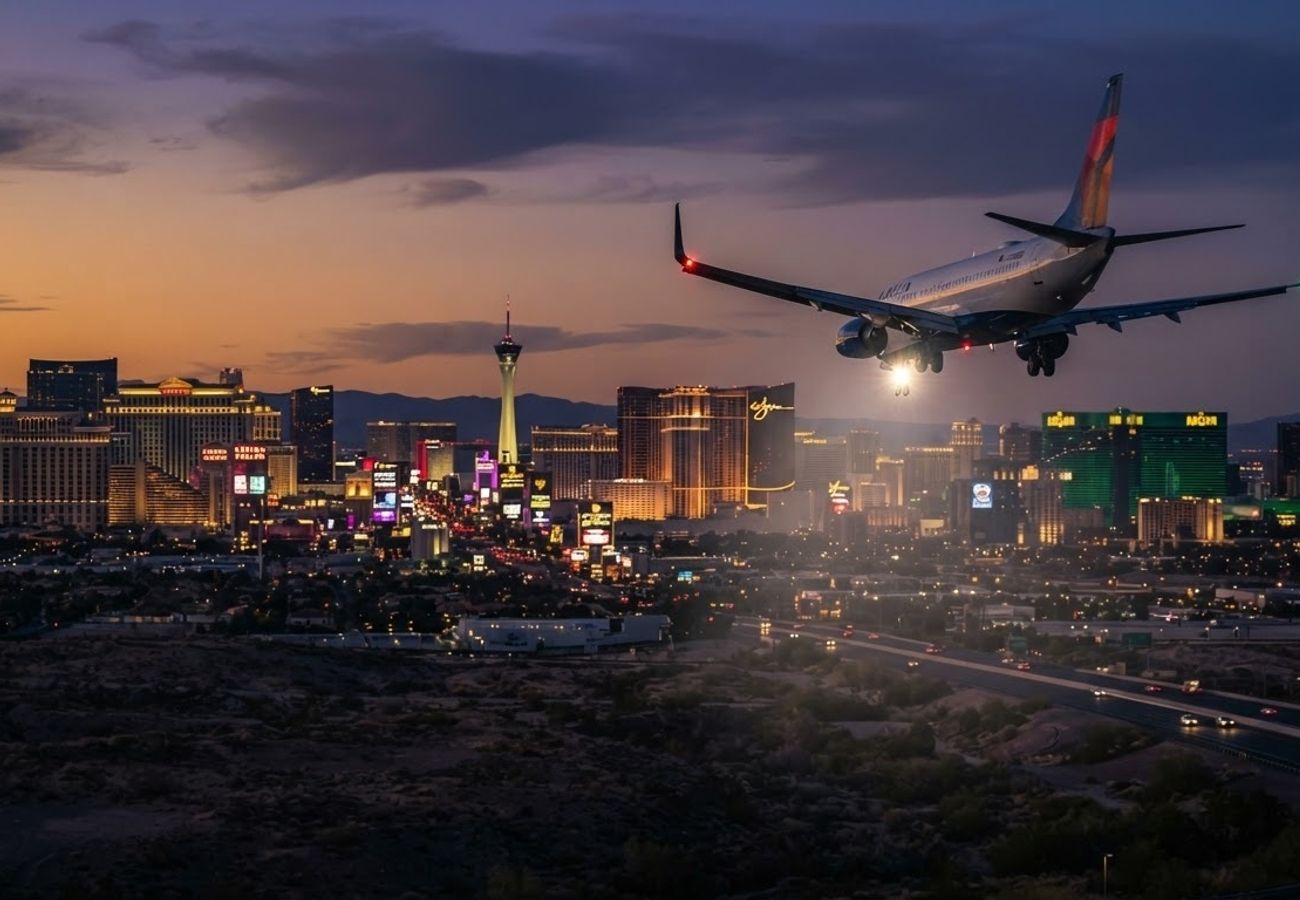
Image generated by AI
Federal authorities have issued a critical alert reminding millions of visitors that state-level cannabis legalization in hubs like Las Vegas, Los Angeles, and Denver does not grant immunity from federal drug laws. Carrying marijuana across state lines or international borders remains a federal offense, regardless of local legality.
The Federal-State Legal Divide
The United States travel sector is currently navigating a complex regulatory paradox. While a growing number of states have established robust recreational and medical marijuana programs, cannabis remains a controlled substance under federal law. This discrepancy creates a dangerous assumption for tourists: the belief that if a product is purchased legally at a licensed dispensary in one jurisdiction, it is legal to transport it to another.
For the visitor, the real impact is felt at "federal touchpoints." Whether it is a TSA checkpoint, a Customs and Border Protection (CBP) officer, or a federal courthouse, the laws of the state are superseded by the laws of the nation. This gap in legality has turned routine transit into a potential legal minefield for domestic and international travelers alike.
Aviation and Border Security Risks
Airports serve as the primary friction point for cannabis users. The Transportation Security Administration (TSA) maintains that its core mandate is aviation security, not the active policing of marijuana. However, this does not mean cannabis is permitted. If security officers encounter illegal substances during a standard screening, they are obligated to refer the matter to local law enforcement.
The risk is amplified for those on connecting flights. A passenger may depart from a "green" state but land in a jurisdiction where possession is strictly prohibited. Because aviation facilities operate under federal jurisdiction, the legal protections offered by state laws vanish the moment a traveler enters the secure area of an airport.
Border crossings present even steeper risks. Federal authorities oversee all international boundaries, making the transport of cannabis—including oils, edibles, and medical supplies—highly sensitive. Even travel between the US and Canada, where both nations have legal frameworks, is fraught with risk. Regulations differ significantly between the two countries, and legal access in one does not guarantee permission to import the substance into the other.
The Rise of Cannabis Tourism and Its Costs
Cities like Denver, Las Vegas, and various California hubs have successfully integrated cannabis into their tourism economies. From licensed dispensaries to specialized "cannabis experiences," these destinations have seen significant economic growth.
However, this growth has placed a new burden on the hospitality sector. Hotels, tour operators, and destination marketing organizations are now tasked with educating visitors to prevent unintentional law-breaking. The trend shows a shift where "responsible travel" now includes a deep dive into the legalities of controlled substances before booking a trip.
Medical Marijuana Complications
Those traveling for medical reasons face an additional layer of bureaucracy. A medical cannabis card issued by one state is not a universal passport. Reciprocity is rare, and many states do not recognize out-of-state medical certifications.
On an international scale, recognition is almost non-existent. Medical necessity rarely overrides national border regulations, meaning patients may face detention or fines despite having a valid prescription from their home jurisdiction.
Visitor Insider Tips
To navigate the current legal climate, travelers should adhere to these local and federal guidelines:
- The "Zero-Transport" Rule: The safest practice is to purchase and consume cannabis entirely within the jurisdiction where it is legal. Never carry products across state lines or international borders.
- TSA Awareness: Do not assume a "lax" attitude from TSA officers means the substance is legal. If you are traveling through a federal facility, assume federal law is in effect.
- Medical Alternatives: Patients should consult with healthcare providers for non-cannabis alternatives or legal prescriptions that are recognized internationally before departing.
- CBD Scrutiny: Not all CBD is created equal. Ensure any CBD products contain less than 0.3% THC to comply with the 2018 Farm Bill, though international laws on CBD vary wildly.
- Local Etiquette: In cannabis-friendly cities, always respect public consumption laws. Even in legal states, smoking in public parks or on sidewalks can often result in fines.
Tourism Outlook
The long-term trajectory of US tourism will be heavily influenced by the federal government's eventual decision on cannabis classification. Until a federal shift occurs, the industry must rely on aggressive visitor education. The future of "cannabis tourism" depends less on the availability of the product and more on the ability of travelers to navigate the legal contradictions of the American regulatory system.
Travel smart: when in doubt, leave the product behind.
Related Travel Guides
Disclaimer
This article is for informational and educational purposes only. It does not constitute legal, financial, or professional advice. While we strive to provide accurate and up-to-date information, travel policies, regulations, and conditions change rapidly. Always verify information with official sources before making travel decisions. Nomad Lawyer makes no representations about the accuracy, reliability, completeness, or suitability of the information provided. Readers should consult qualified professionals for advice specific to their circumstances. The views expressed in this article are those of the author and do not necessarily reflect the views of Nomad Lawyer.
Preeti Gunjan
Contributor & Community Manager
A passionate traveller and community builder. Preeti helps grow the Nomad Lawyer community, fostering engagement and bringing the reader experience to life.
Learn more about our team →