Fiji Will Be a Big Name Followed by Tonga and Others as Highly Potential Budget-Friendly Retirement Retreats in 2027

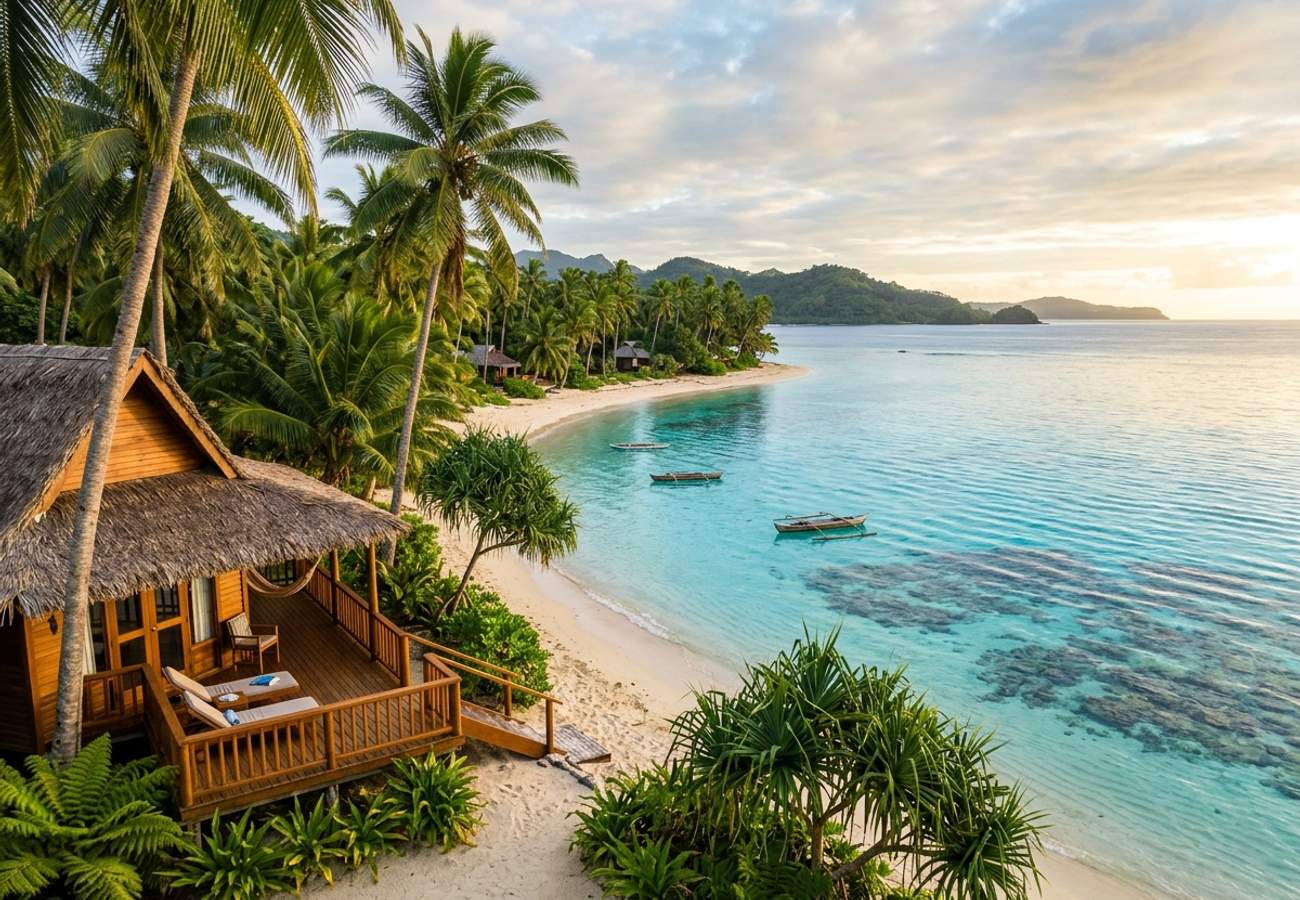
Photo by Nomad Lawyer Travel Desk / Evaluating budget-friendly retirement retreats across the Pacific Islands for 2027
Picture a retirement where the ocean is close and the money lasts. Fiji, Tonga, Vanuatu and a few other Pacific islands are being talked about as budget-friendly options for 2027. The cheapest month by the water is the wrong thing to chase, though. What matters is whether a steady income can pay for a home, healthcare and a legal right to stay for years, without touching your emergency fund.
So judge each island twice. First ask whether you're allowed to stay, and for how long. Then ask what your household would really spend. Cheap rent won't help if your visa status is shaky or an emergency hospital bill is out of reach. A pricier island can still work if its costs match what your household needs.
Pacific Islands at a Glance for 2027
| Island and Country | Areas to Explore | How the Budget Looks | Fit for Retirees in 2027 |
|---|---|---|---|
| Viti Levu, Fiji | Suva and Nadi, looking at everyday residential areas rather than resorts | A solid place to start. Published Suva cost estimates are well below Port Vila's, and private hospital operator Pacific Specialist Healthcare runs facilities in both Suva and Nadi. | My top first pick. It pairs an assured-income permit with city services. Collect real rent and health-insurance quotes before you decide. |
| Tongatapu, Tonga | Nuku'alofa and the residential areas around it | Could suit a tight budget, since the published basic living-cost estimate is fairly low. | Credible for pension-funded retirees because of its Assured Income Visa. Medical care is very limited, so a plan for medical evacuation is a must. |
| Vanua Levu, Fiji | Savusavu or Labasa, after local research | Not proven as a cheaper choice. I couldn't find a reliable, comparable retirement budget. | Worth a look under Fiji's residence rules, but not automatically better than Viti Levu. Get housing, treatment and transport details for this island instead of reusing Suva's numbers. |
| Efate, Vanuatu | Port Vila and nearby areas | Sits at the higher end. Housing costs far more than in Suva or Nuku'alofa. | A real self-funded residence option, but not a low-cost leader. Having no personal income tax doesn't make daily life cheap. |
| Espiritu Santo, Vanuatu | Luganville | No clear saving over Efate. City-cost models put it close to Port Vila. | Pick it because you like the place, not to save money. Limited medical care and malaria risk in northern Vanuatu need thought. |
| Upolu, Samoa | Apia and nearby communities | Basic-cost models look cheap, but the low housing figure needs careful checking. | Better as a seasonal or conditional base. Published immigration categories don't include a general retirement or passive-income permit. |
| Rarotonga, Cook Islands | A place to stay with easy access to services around Avarua | Not shown to be a budget leader in this research. | Fits longer seasonal stays. The long-term visitor permit allows extended time on the island but doesn't give an open-ended right to live there. |
Fiji's Viti Levu: The Case for a Closer Look
Fiji's Residence Permit on Assured Income is open to new applicants aged 45 and over. You have to show enough assets outside Fiji to support yourself without public funds. The published overview doesn't set a fixed minimum balance.
The application fee is listed at 650.05 Fijian dollars, and issue and bond fees come on top. Your spouse and dependent children can be included. Extensions aren't automatic, because each one is assessed.
On cost, Livingcost's June 2026 model estimates a single person in Suva would spend about US$891 a month, rent included. Treat that as a rough guide to everyday spending. It isn't a retirement package or a quote anyone will honour.
Both Suva and Nadi have neighbourhoods worth comparing, and Pacific Specialist Healthcare operates in each. Before settling on an area, check that the facilities there offer the treatments you need. The smart move is to combine a qualifying residence route with housing and services you've verified yourself. A beachfront view shouldn't drive the decision.
Tonga's Tongatapu on a Modest Budget
Tonga's Assured Income Visa is for foreign nationals who want to retire on an overseas pension or fund. Embassy guidance asks for annual income of at least 10,000 Tongan paʻanga.
The visa is published as valid for two years or more, and it can be renewed. Holders can't work, study or start a business, so anyone hoping to earn a little on the side should plan around that. The embassy guidance carries no date. Confirm the income threshold, dependent rules and fees directly before making any 2027 commitment.
Livingcost's June 2026 figures put Nuku'alofa at US$1,032 a month for one person, rent included. You'll still need real accommodation and insurance quotes.
Healthcare is the bigger hurdle. Australian government advice warns that even minor medical problems can mean evacuation overseas. Tonga only makes sense with a realistic treatment plan, proper insurance and money set aside for emergency travel or care.
Vanuatu Isn't Automatically the Cheap Option
Vanuatu has a self-funded residence route with clear income rules. You need certified income of 250,000 vatu a month, or 500,000 vatu if a spouse or de facto partner is included.
The immigration page is inconsistent about including family. Couples should get written clarification and not assume a joint application will qualify.
Residence terms usually run one, three, five or ten years. For an adult, the application charge starts at 57,600 vatu for a single year.
Livingcost's June 2026 estimates, rent included, are US$2,036 a month in Port Vila on Efate and US$2,020 in Luganville on Espiritu Santo. Moving to the second city saves very little.
Vanuatu works for retirees whose income meets the requirements and covers the costs. The evidence doesn't support calling either city a cheap alternative to Fiji or Tonga. Let actual housing quotes decide, not glossy descriptions.
Samoa: A Better Fit for a Trial Stay?
Upolu, especially around Apia, suits retirees who want to find out whether island life really works for them. Livingcost's June 2026 estimate for Apia is US$789 a month for one person, rent included.
That number needs a second look. The rent and utilities portion is only US$243, so check how much decent housing is actually available.
Immigration is a separate issue. Eligible visitors can apply for a 90-day permit on arrival, as long as they show enough funds, accommodation details and onward travel. Extensions need an application. The published temporary residence purposes are business, employment, study, research, cultural activities and family support. A pension-based retirement category isn't among them.
So Samoa shouldn't be pitched as an easy permanent home for every foreign pensioner. A short visit is a good way to test housing, transport and daily routines. For a longer move, confirm the right immigration category before you spend any money.
Cook Islands: Realistic Expectations
Rarotonga is a lovely place for an extended seasonal stay, but the visitor rules take some reading. The long-term visitor category generally caps continuous stays at eight months for foreign nationals other than New Zealanders.
New Zealanders can stay up to twelve months under the relevant arrangements. All applicants need enough funds, acceptable health and character, onward travel plans and health insurance for the whole permit period.
The long-term visitor fee is published at 470 New Zealand dollars. It's still visitor status, so it doesn't give you a right to settle permanently. The source cites the Cook Islands foreign affairs visa criteria for this.
The question to ask is whether a fixed seasonal stay suits both the rules and your finances. Ask for accommodation quotes covering your full dates, and don't extend a promotional rate across the whole stay.
The evidence doesn't make Rarotonga a low-cost leader. It's on the list because of the extended-stay option. Moving permanently would need a confirmed legal basis and much more financial research.
What the Cost Estimates Don't Show
All the monthly figures above are in U.S. dollars and cover one person, not a couple. They come from Livingcost, an independent platform that blends crowdsourced prices, other datasets and modelling.
These aren't official retirement spending statistics, and the platform itself says costs shift with lifestyle, location and quality. Use them to shape your questions, then replace them with real quotes.
A proper retirement budget needs separate lines for:
- Medical insurance and evacuation cover
- Prescriptions
- Permit renewals
- International flights
- Relocation costs and rental deposits
Spread annual costs across twelve months to see what income you really need. Keep your emergency savings untouched, and don't let them slide into everyday spending.
Couples should price a shared household directly, not double a single-person figure. Visa income thresholds only decide eligibility, and they say nothing about living costs. What counts is the reliable cost of the lifestyle you need, not the lowest number you can find online.
Healthcare Can Change Everything
Access to medical care can outweigh what you save on rent. Australian government guidance points to limits in Fiji's medical equipment and medicines, and says Tonga may require evacuation overseas even for minor problems.
In Samoa, foreigners pay for health services, facilities are very limited and there's no emergency helicopter service. Keep that in mind before choosing a remote property.
American retirees should check their existing coverage. Medicare generally doesn't cover care outside the United States, apart from a few limited exceptions.
Before you move, get the insurance terms in writing for the whole period you plan to live there. Ask about age limits, preexisting conditions, specialist care, evacuation destinations and renewal terms.
Then check local providers yourself. Confirm that your medicines, routine monitoring and any essential treatment are available, because hospitals don't all offer the same services.
A place only works financially if routine care and a credible emergency plan both fit your budget.
Tax and Climate Surprises
A low income tax doesn't mean a cheap retirement. Vanuatu's investment agency says the country has no personal income tax, but it charges 15 percent value-added tax plus import duties.
Leaving home doesn't automatically end your tax obligations either. The Internal Revenue Service says U.S. citizens and resident aliens are generally taxed on worldwide income.
Have a qualified advisor look at how your pensions, investments and residence status will be treated before you go. Ask your pension administrators how payments work and whether you're eligible abroad.
Weather deserves its own line in the budget. Fiji's cyclone season generally runs from November to April, though storms can hit outside those months, and flooding can cut roads and services.
Before you sign a lease, check the drainage, evacuation routes, building condition and backup utilities. Keep a contingency fund for temporary housing or disrupted travel. The goal is to find manageable costs now, before they turn into nasty surprises.
Planning Your 2027 Move
Begin with your right to stay, not the property ad. Get confirmation of the immigration category, financial evidence, dependent arrangements and renewal conditions that apply to your household.
Then book a trial stay in a residential neighbourhood. Buy groceries, try the transport, test the internet and visit the healthcare providers you'd rely on.
Renting first gives you time to learn these practical details before you think about buying. Any purchase needs independent legal review, including a check on the ownership or lease rights you'd actually receive.
Finally, set a full annual budget against dependable income and reserves you can reach. Leave room for exchange-rate swings, insurance renewals and trips home.
Fiji and Tonga deserve a serious look because they combine income-based residence routes with modest modelled living costs. Vanuatu calls for a bigger budget, and Samoa and Rarotonga need a clear line between visitor and resident status.
A Pacific retirement in 2027 can be a wonderful lifestyle, but scenery alone doesn't make it affordable. Fiji and Tonga stand out because manageable costs and suitable residency routes can support longer stays. No destination can promise financial security, so housing, healthcare, insurance and travel all have to fit a sustainable yearly budget. A trial stay lets you test your assumptions, and renting first leaves room to reassess local services and daily comfort. The practical advice is to choose the island that fits your income and needs. Careful preparation, not promises, is what lasts, so let verified costs guide every major decision before you leave.
Related Travel Guides
This article is for informational purposes. Flight routes, passenger regulations, visa rules, and transit advisories are subject to change by airlines and aviation authorities. Readers are advised to verify schedules and travel documentation with relevant carriers and border agencies before departure.
Related Stories

What Frequent Flyers Pack That Everyone Else Forgets

Tripmasters Launches Custom Europe Vacation Packages for Seniors