
Fiji Expands Subsidized Air Services to Lau Islands to Boost Remote Island Tourism
Fiji's Cabinet has approved the expansion of its Domestic Air Services Subsidy Program to launch weekly flights to Bureta, Moala, and Ono-i-Lau in the remote Lau Group.

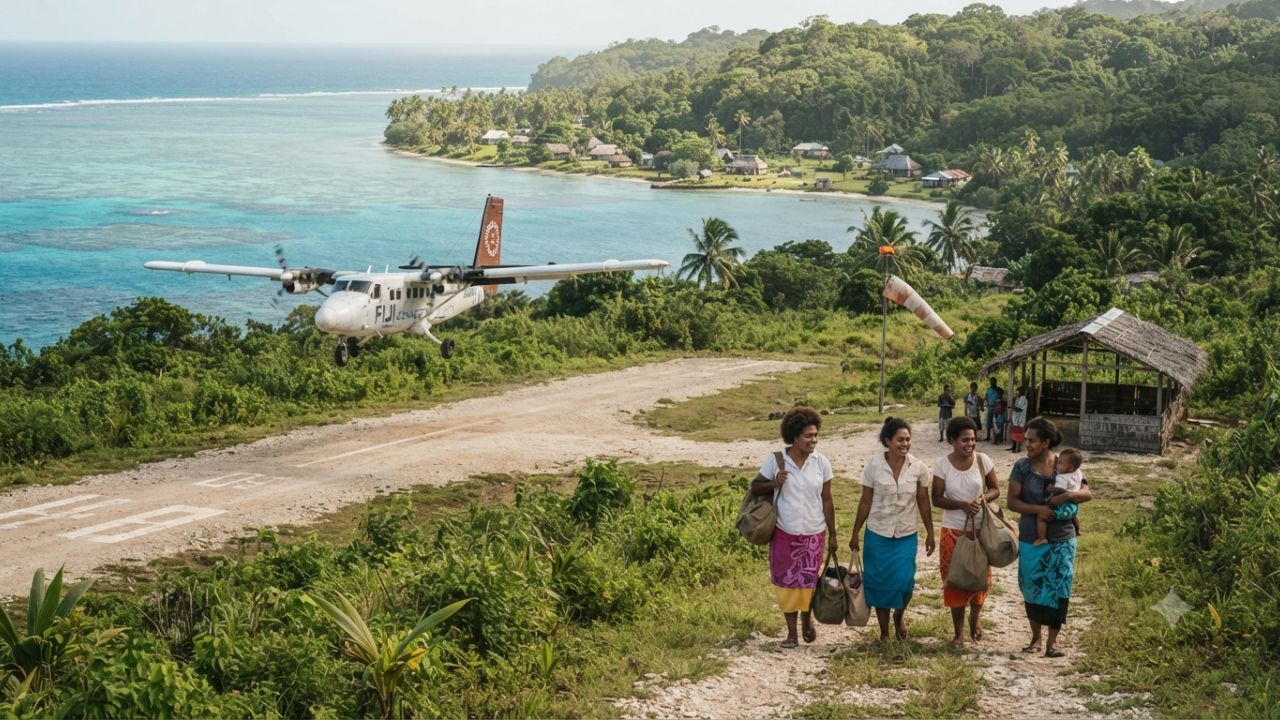
Fiji is expanding its Domestic Air Services Subsidy Program to improve flight connections to the remote Lau Group. Image credit: Tourism Fiji
The Government of Fiji has approved the expansion of its Domestic Air Services Subsidy Program to introduce weekly scheduled flights connecting Suva to remote outer islands in the Lau Group, including Bureta, Moala, and Ono-i-Lau. The policy aims to replace multi-week maritime voyages with sub-one-hour flights, opening up remote island communities to sustainable eco-tourism.
[Suva, Oct 6, 2026] — Fiji is expanding air travel connectivity to its most isolated island territories, confirming that Cabinet has approved new subsidized air routes under the Domestic Air Services Subsidy Program. The expansion focuses on the Lau Group, an archipelago in eastern Fiji known for its pristine marine biodiversity and traditional village culture.
The decision establishes weekly scheduled passenger flights serving Bureta, Moala, and Ono-i-Lau. By cutting travel times from days of sea passage to under 60 minutes by air, the initiative provides remote islanders with essential services while offering adventurous travelers structured access beyond main resort hubs like Nadi and Denarau.
FIJI LAU GROUP AIR CONNECTIVITY EXPANSION
| Entity / Route | Metrics | Operational Status |
|---|---|---|
| Target Destination | Prior Sea Transit | Subsidized Air Transit |
| Ono-i-Lau (407 km Suva) | Multi-week boat | Under 60 minutes flight |
| Moala Island | 1 to 2 days sea | ~45 minutes flight |
| Bureta (Ovalau area) | Irregular ferry | Scheduled weekly flight |
| Hub Gateway | Nausori / Suva | Nadi Int'l transfer |
The 2026 Lau Tourism Scoping Mission Findings
The expansion of air services follows a 56-member Lau Tourism Scoping Mission conducted across the archipelago in January 2026. Government officials, civil aviation engineers, and tourism planners surveyed infrastructure and community needs across key islands.
| Inspected Location | Key Infrastructure Assessment | Tourism Development Focus |
|---|---|---|
| Vanuabalavu | Technical inspection of local airstrip & layby berths | Marine eco-tourism, Qilaqila Bay of Islands access |
| Moala | Airstrip accessibility & emergency transport needs | Agro-tourism and heritage village homestays |
| Fulaga | Lagoon navigation channels and craft moorings | Sustainable craft tourism and coral reef conservation |
| Lakeba | Regional administrative hub aerodrome readiness | Cultural heritage trails and island transit hub |
| Daliconi Village | Telecommunications & digital network installation | Community-based tourism booking infrastructure |
During visits to Vanuabalavu, technical teams inspected the local airstrip to evaluate landing gear tolerances and safety margins under the Civil Aviation Authority of Fiji (CAAF) guidelines.
       [ 56-Member Lau Tourism Scoping Mission ]
                           |
                           v
       [ Infrastructure & Airstrip Technical Audits ]
                           |
                           v
       [ Cabinet Approves Air Subsidy Expansion ]
                           |
                           v
       [ Weekly Subsidized Flights: Suva to Moala & Ono-i-Lau ]
Transforming Access to Isolated Outer Islands
The geographical isolation of the Lau Group has historically restricted tourism growth and local economic development.
- Ono-i-Lau: Located roughly 407 kilometers southern-east of Suva, Ono-i-Lau previously relied on sporadic maritime supply vessels operating weeks apart. The new weekly air link connects the atoll to Suva in under an hour.
- Moala Island: Sea journeys between Suva and Moala can take one to two days depending on ocean swells. Subsidized flights dramatically reduce travel times, allowing urgent medical evacuations and scheduled visitor arrivals.
- Bureta: Enhanced flight rotations improve connections to Ovalau and the Lomaiviti group, creating multi-island itinerary options.
CIVIL AVIATION MASTER PLAN BENCHMARKS
| Category / Entity | Details / Impact |
|---|---|
| Plan Component | Strategic Target (2026–2031) |
| Certified Aerodromes | Lakeba, Laucala, Vanuabalavu, Ono-i-Lau |
| Priority Gateway | Nausori Airport (Suva) for domestic routes |
| Regulatory Framework | Tourism Act 2026 (Indigenous & Eco Standards) |
| Marine Protection | Lau Seascape Community Co-Management |
Civil Aviation Master Plan 2026–2031 and Sustainable Frameworks
The air service expansion forms part of Fiji's broader Civil Aviation Master Plan 2026–2031, which prioritizes outer-island transport links and aerodrome modernization. CAAF maintains a register of certified landing strips including Lakeba, Laucala, Vanuabalavu, and Ono-i-Lau.
Parallel to aviation updates, Fiji enacted the Tourism Act 2026, establishing statutory guidelines for sustainable tourism development. The legislation emphasizes indigenous land rights, cultural preservation, environmental protection, and community participation in tourism revenue.
Conservation groups working within the Lau Seascape project are collaborating with local chiefs to ensure increased visitor access does not compromise sensitive coral reef ecosystems, sea turtle nesting grounds, or pristine lagoons like Qilaqila.
Practical Traveler Guidelines for Visiting the Lau Group
Travelers interested in exploring Fiji's eastern outer islands in 2026 should plan carefully:
- Book Subsidized Seats Early: Weekly flight frequencies mean seating capacity is limited; advance reservations through domestic carriers are essential.
- Transit via Suva: International flights land at Nadi International Airport (NAN), requiring an overland or domestic transfer to Nausori International Airport (SUV) in Suva for Lau departures.
- Respect Sevusevu Protocol: Visitors entering traditional Fijian villages in Lau must present a sevusevu (gift of kava root) to the village chief before exploring local lands or reefs.
- Prepare for Basic Infrastructure: Unlike western Viti Levu resorts, Lau offers homestays and eco-lodges with limited solar electricity and digital connectivity.
Frequently Asked Questions
Which islands in the Lau Group are receiving subsidized air services?
Fiji's Cabinet approved subsidized weekly air services connecting Suva to Bureta, Moala, and Ono-i-Lau.
How long does a flight to Ono-i-Lau take compared to sea travel?
The flight from Suva to Ono-i-Lau takes less than one hour, replacing maritime ferry journeys that can take several days or weeks between departures.
What main airports connect travelers to the Lau Group?
International travelers arrive at Nadi International Airport and transfer to Nausori Airport near Suva, which operates as the main domestic hub for flights to Lau.
Are electric seaplanes operating in Lau?
No official government launch of electric micro-seaplanes occurred in October 2026. Current expansion relies on conventional turboprop aircraft operating under CAAF aerodrome certifications.
Related Travel Guides
Disclaimer
This article is for informational and educational purposes only. It does not constitute legal, financial, or professional advice. While we strive to provide accurate and up-to-date information, travel policies, regulations, and conditions change rapidly. Always verify information with official sources before making travel decisions. Nomad Lawyer makes no representations about the accuracy, reliability, completeness, or suitability of the information provided. Readers should consult qualified professionals for advice specific to their circumstances. The views expressed in this article are those of the author and do not necessarily reflect the views of Nomad Lawyer.
Raushan Kumar
Founder & Lead Developer
Full-stack developer with 11+ years of experience and a passionate traveller. Raushan built Nomad Lawyer from the ground up with a vision to create the best travel and law experience on the web.
Learn more about our team →